Aluminum Wiring Repair in New York
Aluminum wiring is not the problem by itself; its connections are. We repair each connection with methods recognized for aluminum, or replace the aluminum circuits with copper where that makes more sense.
- Calls answered 24/7
- Every connection addressed
- Recognized repair methods
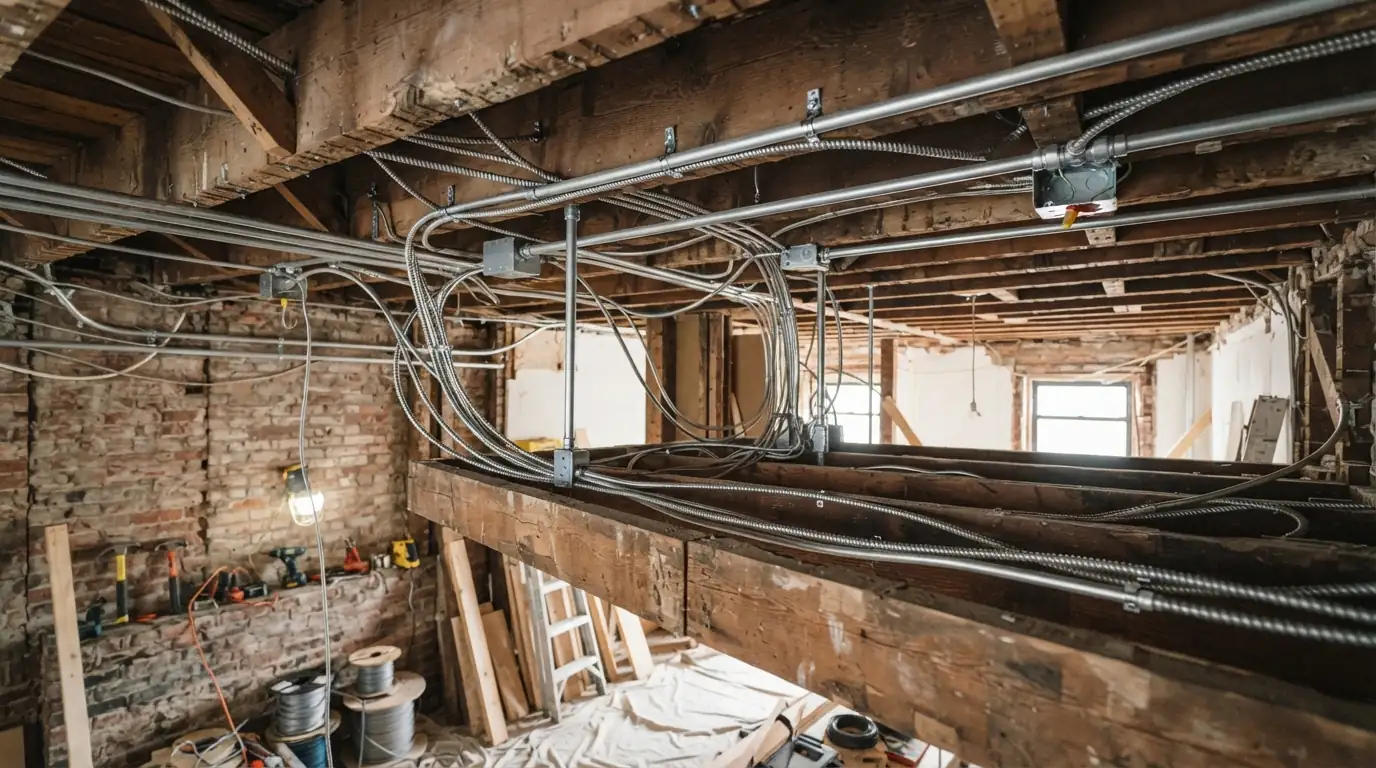
- Aluminum circuits identified and mapped
- Connections repaired or circuits replaced
- Every device tested afterward
Aluminum branch wiring, used in some homes built from the mid-1960s to the early 1970s, is repaired by pigtailing each connection to copper with connectors recognized for aluminum, such as AlumiConn or COPALUM, or by replacing the aluminum circuits with copper. Warm outlets, flickering lights or a burning smell mean a connection is failing now.
Rather ask a person?(929) 755-0293What an aluminum wiring repair involves
Aluminum expands and contracts more than copper and oxidizes at the terminals, so connections loosen and heat over time. The failures happen at outlets, switches, fixtures and splices, which is why a repair has to address every connection point, not just the one that failed.
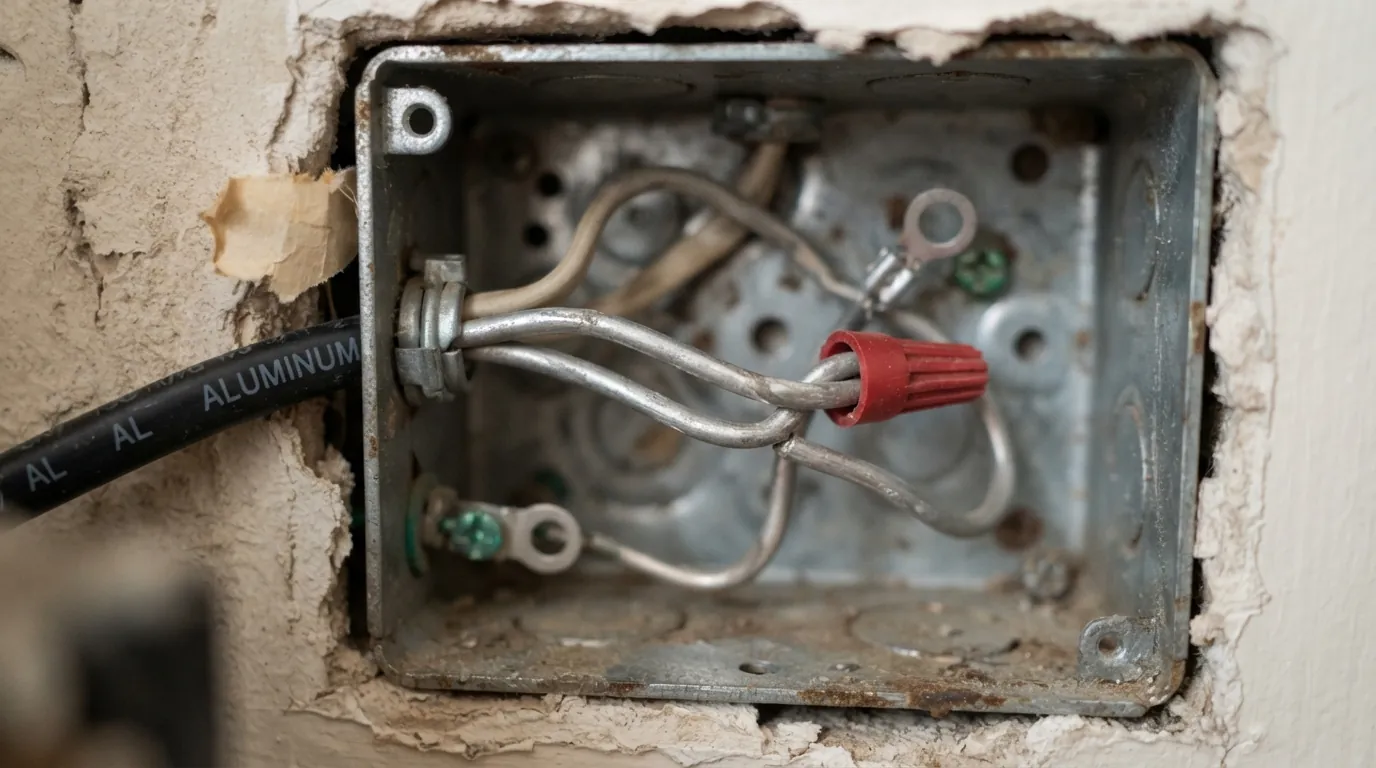
We identify which circuits are aluminum, usually marked AL on the cable jacket, and map every box. Then each connection gets a short copper pigtail joined with a connector recognized for aluminum, or the circuit is replaced with copper when it is accessible or the house is being renovated. If the panel is also original, panel replacement is often part of the same job.
Updated September 2026
What drives the cost of aluminum wiring repair
The number of connection points decides a pigtailing job.
- Number of devicesEvery outlet, switch and fixture needs attention.
- Repair methodConnector type changes parts cost and labor.
- Hidden splicesJunction boxes in ceilings and basements have to be found.
- Copper replacementRewiring costs more but ends the problem.
- AccessOpen basements and attics make copper replacement easier.
Pigtailing or copper replacement
| Factor | Recognized pigtailing | Copper replacement |
|---|---|---|
| What changes | Every connection point | The aluminum circuits themselves |
| Walls opened | Rarely | Often |
| Best for | Occupied homes, closed walls | Renovations, accessible runs |
| Long-term result | Safe connections, aluminum remains | No aluminum left |
Both are recognized repairs. The wrong answer is repairing only the outlet that failed.
Two ways to repair aluminum wiring
COPALUM and AlumiConn Pigtailing
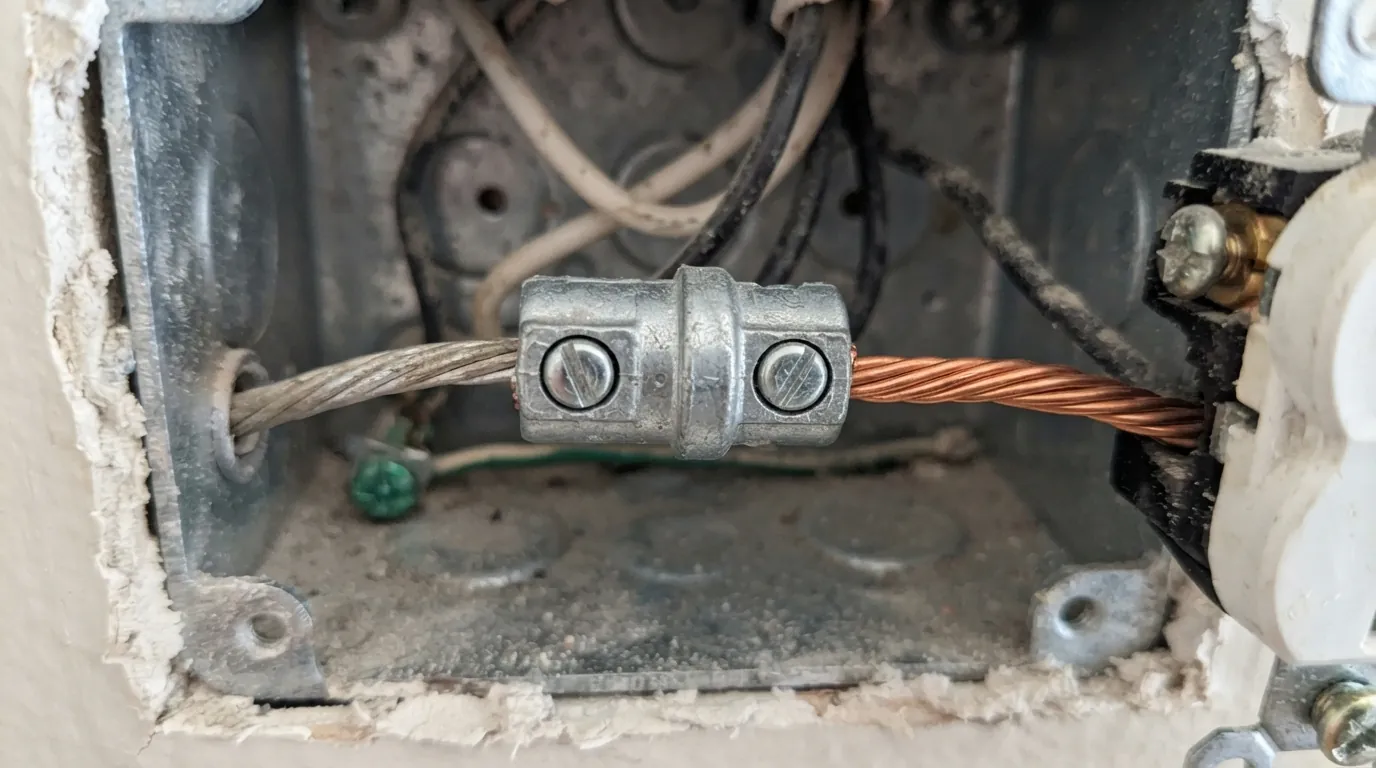
Pigtailing adds a short copper wire to each aluminum conductor so the devices connect to copper. The joint is what matters. COPALUM crimps are made with the manufacturer's tool by installers it trains; AlumiConn connectors use separate set-screw ports for each wire and are more widely available. Both are recognized repairs, unlike ordinary twist-on connectors. We repair every outlet, switch, fixture and splice on the aluminum circuits, since a house repaired room by room still has failing connections in the rooms left untouched.
Full Copper Replacement
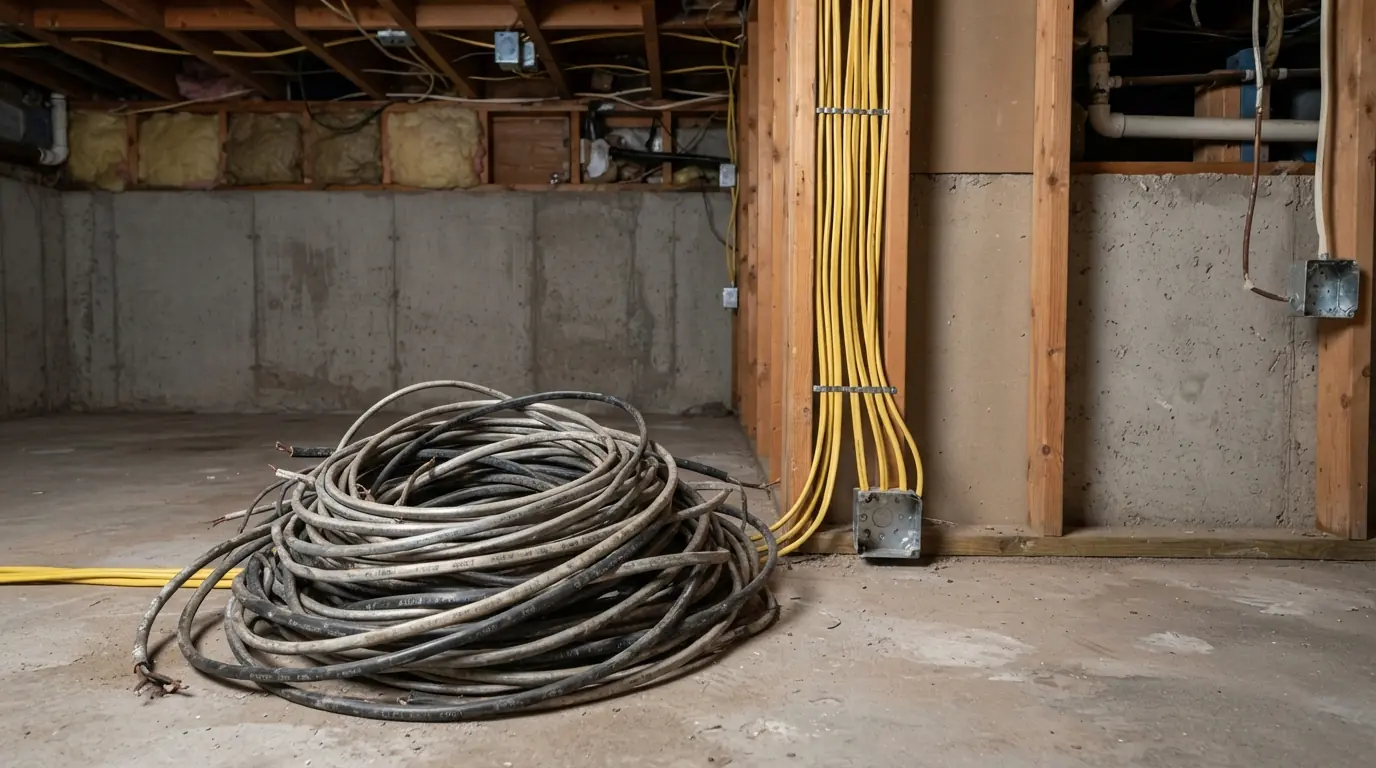
Replacing aluminum circuits with copper removes the problem entirely, and it makes the most sense when walls are open for a renovation or when the aluminum is easy to reach from a basement or attic. It costs more than pigtailing and takes longer, but it leaves nothing to monitor. For many owners the practical answer is a mix: copper in the rooms being renovated, recognized pigtails everywhere else, with a clear map of which is which that stays with the house and answers the next buyer's or insurer's question.
Planning range (national sources, 2026): $4 to $15 per square foot; an 1,800 sq ft home $7,200 to $27,000. Coastal-market pricing and building access change the figure; this is a planning band, never a quote.
Where aluminum circuits turn up
Small homes make up over a quarter of New York City's housing, and half of the city's housing sits in Brooklyn and Queens. Houses from the late 1960s and early 1970s in those boroughs, and on Staten Island, are where aluminum branch circuits are most likely to appear, rather than in the prewar apartment buildings that make up most of the city's larger housing. A quick look at the cable jacket in the basement or panel usually settles it.
How an aluminum wiring repair runs
Identify
Aluminum circuits found and mapped.
Plan
Pigtailing, copper replacement or a mix.
Repair every point
Outlets, switches, fixtures and splices.
Test
Each device checked for heat and continuity.
Document
Map of repaired and replaced circuits.
Signs aluminum connections are failing
- Warm outlet or switch plates
A connection heating under load.
- Flickering lights
Intermittent contact at a terminal.
- Burning plastic smell
Turn off the circuit and call.
- Outlets that stop and start working
A loose aluminum connection.
- Discolored plates or outlets
Heat damage at the terminal.
- Cable jackets marked AL
Aluminum branch circuits are present.
Aluminum wiring questions
Its connections can overheat; recognized repairs address that.
Look for AL printed on cable jackets.
They help at devices but do not fix splices.
Not for joining aluminum to copper.
No, pigtailing every connection is a recognized repair.
Some do; documentation of the repair helps.
Much less than in 1960s and 1970s houses.
Related work in the same system
Make the aluminum wiring safe
Call any hour. If anything is warm or smells hot, turn that circuit off first.