Smart Home Wiring in New York
Most smart switch problems are wiring problems. Missing neutrals, crowded boxes and three-way circuits wired decades ago are why devices flicker or drop offline. We sort the wiring so the device works.
- Calls answered 24/7
- Neutral and box fill checked
- Doorbells, cameras, thermostats
- Box, neutral and circuit checked
- Devices installed and paired
- Three-way circuits wired properly
Smart controls we install include Lutron and Leviton switches and dimmers, on panels from Square D, Siemens and Eaton.
Smart home wiring in New York usually comes down to three things: a neutral wire in the switch box, which most smart switches need; enough room in the box for a deeper device; and correct wiring on three-way circuits. Prewar apartments often lack the neutral, so the fix is pulling one in or choosing a no-neutral device.
Rather ask a person?(929) 755-0293What smart home wiring involves
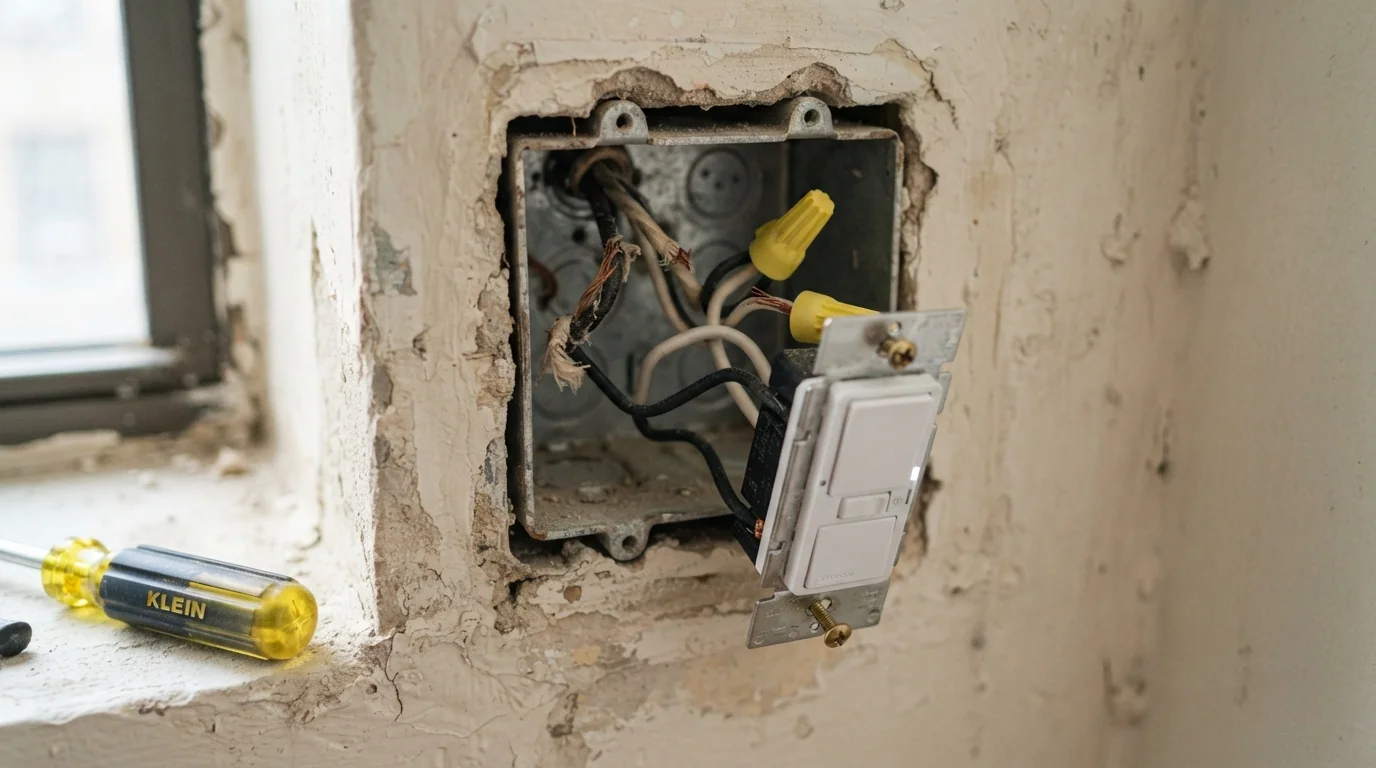
A smart switch is a small computer that needs a little power all the time, which it takes from the neutral. Older switch boxes often carry only the hot and the switched leg, and the device cannot run properly without that third wire. Some no-neutral models work, but they can make LED bulbs glow or flicker.
We open the box, identify what is there, and choose the right fix: a pulled neutral, a deeper box, a no-neutral device with a bypass, or a different product. Doorbells, cameras and thermostats have their own power needs, usually low voltage from a transformer or a common wire. Plain dimmers and switches follow the same rules minus the network.
Updated September 2026
What changes the cost of smart home wiring
Box condition decides most of it.
- Neutral present or notPulling a new conductor adds time; an existing neutral does not.
- Box depthShallow boxes may need replacing to fit the device.
- Three-way circuitsCompanion devices and traveler wiring take longer.
- TransformersDoorbells and chimes may need new low-voltage power.
- Number of devicesSeveral switches in one visit cost less per device.
Installing it yourself versus calling us
| Task | Doing it yourself | With us |
|---|---|---|
| Identifying the neutral | Easy to confuse with a switched leg | Tested, not guessed |
| Box fill | Deeper devices crammed in | Box replaced if too shallow |
| Three-way circuits | Commonly miswired | Companion devices wired correctly |
| Pulling new wire | Needs a licensed electrician in the city | Done and filed where required |
Swapping a switch where a neutral is present and clearly marked is a manageable job for a careful homeowner. When the wires are old or unlabeled, test before touching.
Three common smart home jobs
Smart Switches and Dimmers
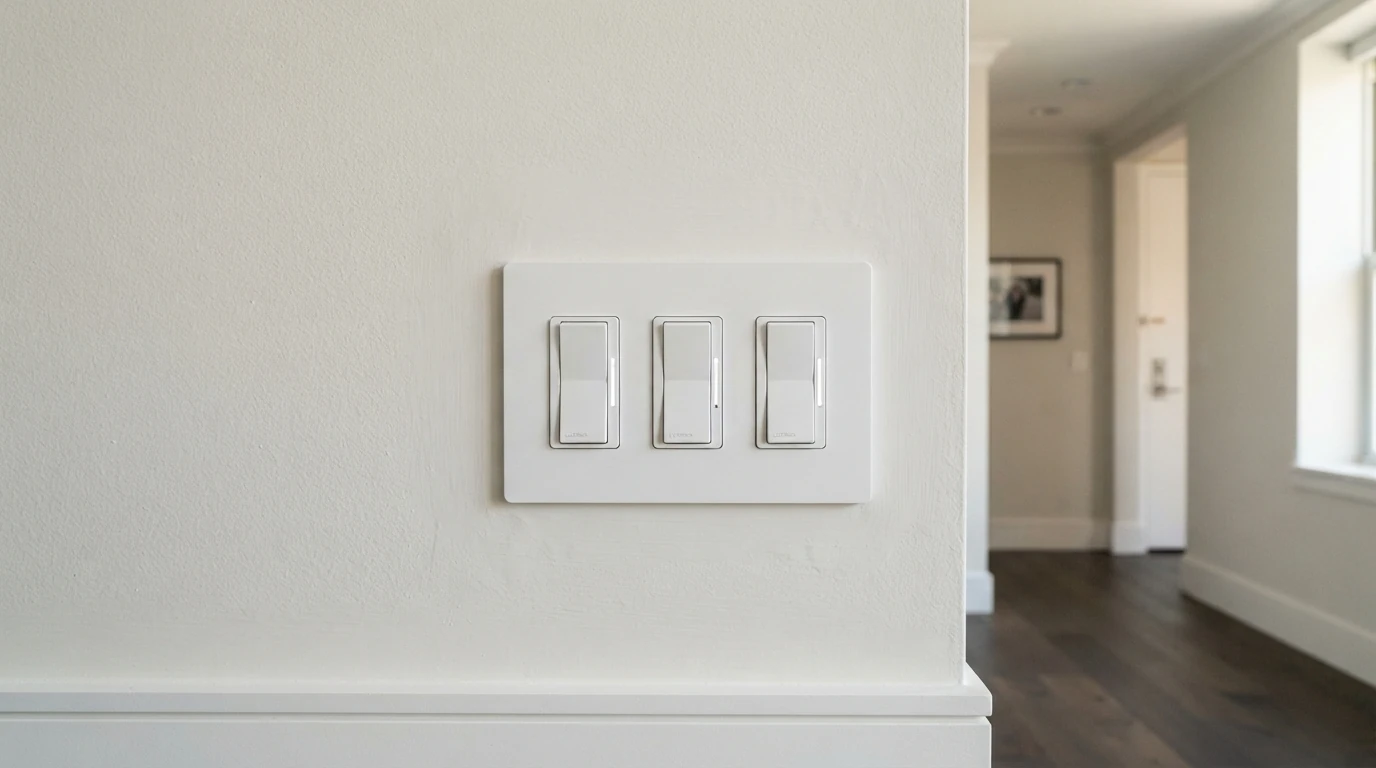
The usual call: a new smart switch that will not power on, drops off the network or makes the lights flicker. We check for a neutral, measure box depth, and confirm the dimmer is rated for the LED load it controls. Three-way and four-way circuits need the matching companion device and correct traveler wiring. When a neutral can be pulled without opening walls, that is usually the cleanest fix, and it lets you choose any brand rather than the few that tolerate a missing neutral.
Video Doorbells and Cameras
Video doorbells run best on steady low-voltage power from a transformer sized for them. Old doorbell transformers are often too weak, which causes reboots and dropped video. We replace or add the transformer and a chime connection, or run a dedicated power supply. Outdoor cameras get weather-rated power where the building allows mounting. In apartments we stay within what the building permits on the door and facade, and we keep low-voltage wiring separate from power wiring in the same wall.
Smart Thermostat C-Wire and Power
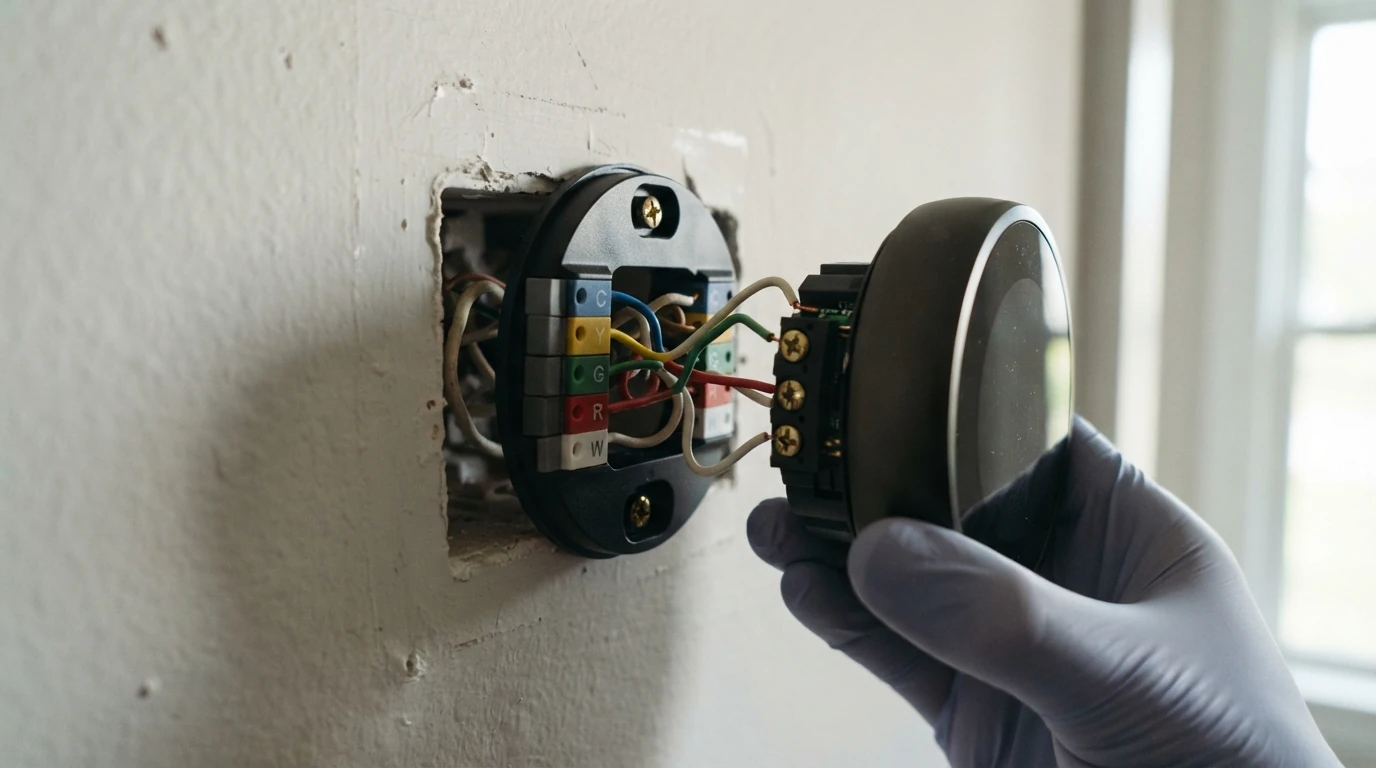
Most smart thermostats need a common wire, the C-wire, to stay powered. Many older systems have no C-wire at the thermostat. We can use a spare conductor in the existing cable, pull a new cable, or fit an adapter at the equipment where the manufacturer supports it. On boiler systems common in older buildings, the right answer depends on the controls, so we check them first, label the conductors, and confirm the system will still call for heat correctly afterward.
Why prewar boxes cause trouble
Fifty-four percent of New York City homes are in buildings raised before 1947, and switch loops from that era rarely brought a neutral to the switch. That single fact explains most of the smart switch calls we get in Manhattan apartments: the device is fine, the box simply lacks the wire it needs. Pulling a neutral is sometimes easy through existing armored cable and sometimes means a new run, which is why we look before recommending a product.
How a smart home visit runs
Open and test
Neutral, box depth and circuit type identified.
Choose the fix
Pull a neutral, deepen the box or change the device.
Install
Devices wired, companions and transformers added.
Pair and test
Devices online, every switch location checked.
Label
Panel directory and any changed circuits marked.
Signs the wiring is the problem
- Switch will not power on
Often no neutral in the box.
- LEDs glow when switched off
A no-neutral device leaking current through the bulbs.
- Device drops off the network
Unstable power or a crowded box.
- Doorbell keeps rebooting
Transformer too small for the device.
- Thermostat battery warnings
No common wire to keep it powered.
- Three-way switch works only from one side
Travelers or companion wired wrong.
Smart home wiring questions
It needs a constant trickle of power to stay online.
Some models allow it, but LED flicker is common.
Not always; shallow boxes may need replacing.
Usually an undersized transformer.
Most models need one to stay powered.
Yes, once we confirm the wiring suits them.
We pair the devices during the visit and test each one.
Related work in the same system
Get the smart devices wired properly
Call any hour with the device model and we will tell you what the box needs.