Circuit Breaker Repair and Replacement in New York
A breaker that trips is protecting the wire; one that will not trip is the dangerous one. We find why it trips, fix the fault or the overload, and replace breakers that have failed with the correct type for the panel.
- Calls answered 24/7
- Cause found before replacement
- Correct breaker for the panel
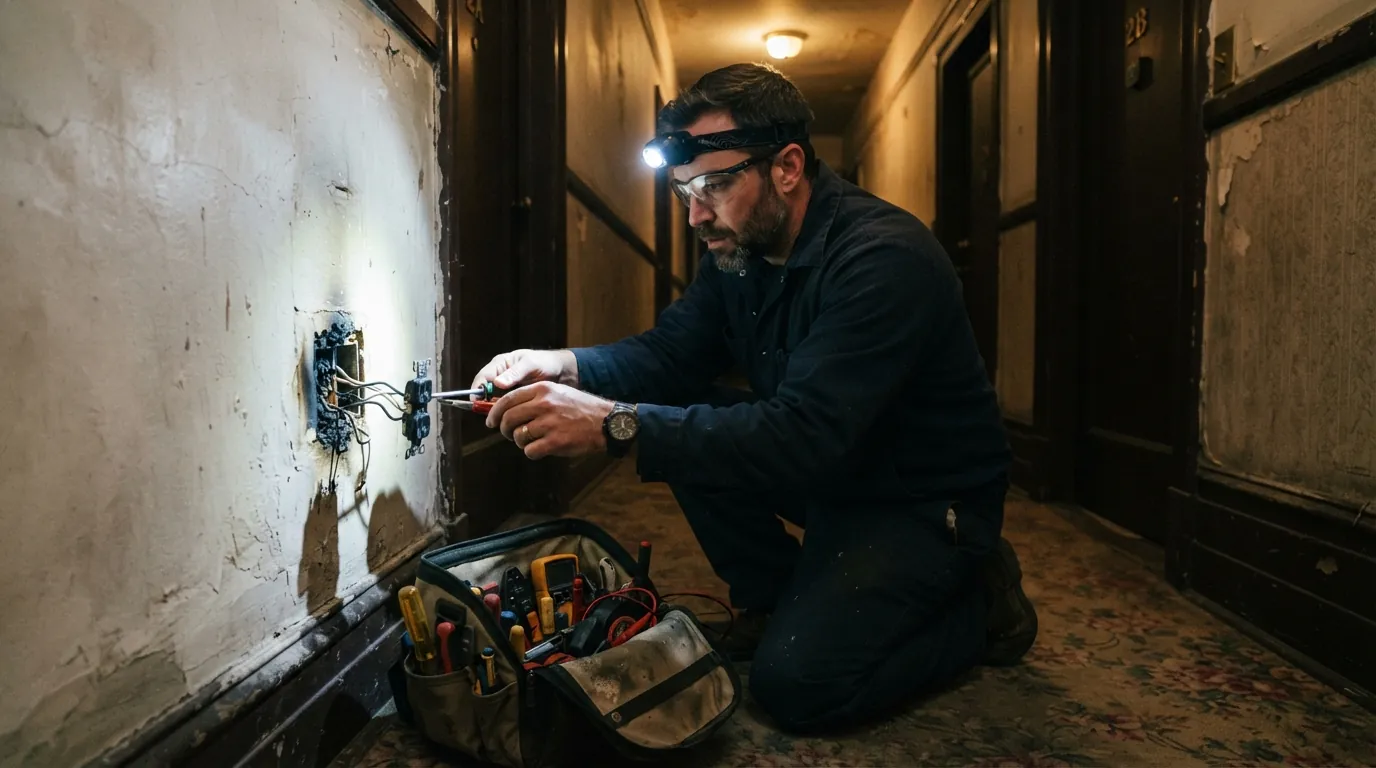
- Circuit load and fault tested
- Failed or wrong breakers replaced
- Panel checked for heat and double taps
Breakers we replace and install include Square D, Siemens and Eaton, matched to the panel's listing.
A circuit breaker that keeps tripping in a New York home is usually overloaded, has a short or ground fault on the circuit, or has worn out; a clamp meter and insulation test tell which. A breaker that is warm, buzzing, or will not reset needs attention now, because the panel connection behind it may be overheating.
Rather ask a person?(929) 755-0293What breaker repair involves
Most tripping breakers are doing their job. The question is why: too much load on one circuit, a damaged cord or appliance, a fault in the wiring, or a breaker that has weakened with age. Resetting it again and again treats the symptom and ignores the cause.
We measure the load, isolate the circuit's devices, and test the wiring before replacing anything. When the breaker has failed, we replace it with one listed for that panel, never a look-alike that merely fits. If the panel itself is the problem, with scorched bus bars or a brand known for failing breakers, see panel replacement.
Updated September 2026
Signs a breaker needs attention now
- Breaker trips repeatedly
An overload, fault or worn breaker.
- Will not reset
A short or ground fault on the circuit.
- Warm or hot breaker
A heating connection behind it. Call.
- Buzzing from the panel
Arcing or a loose connection.
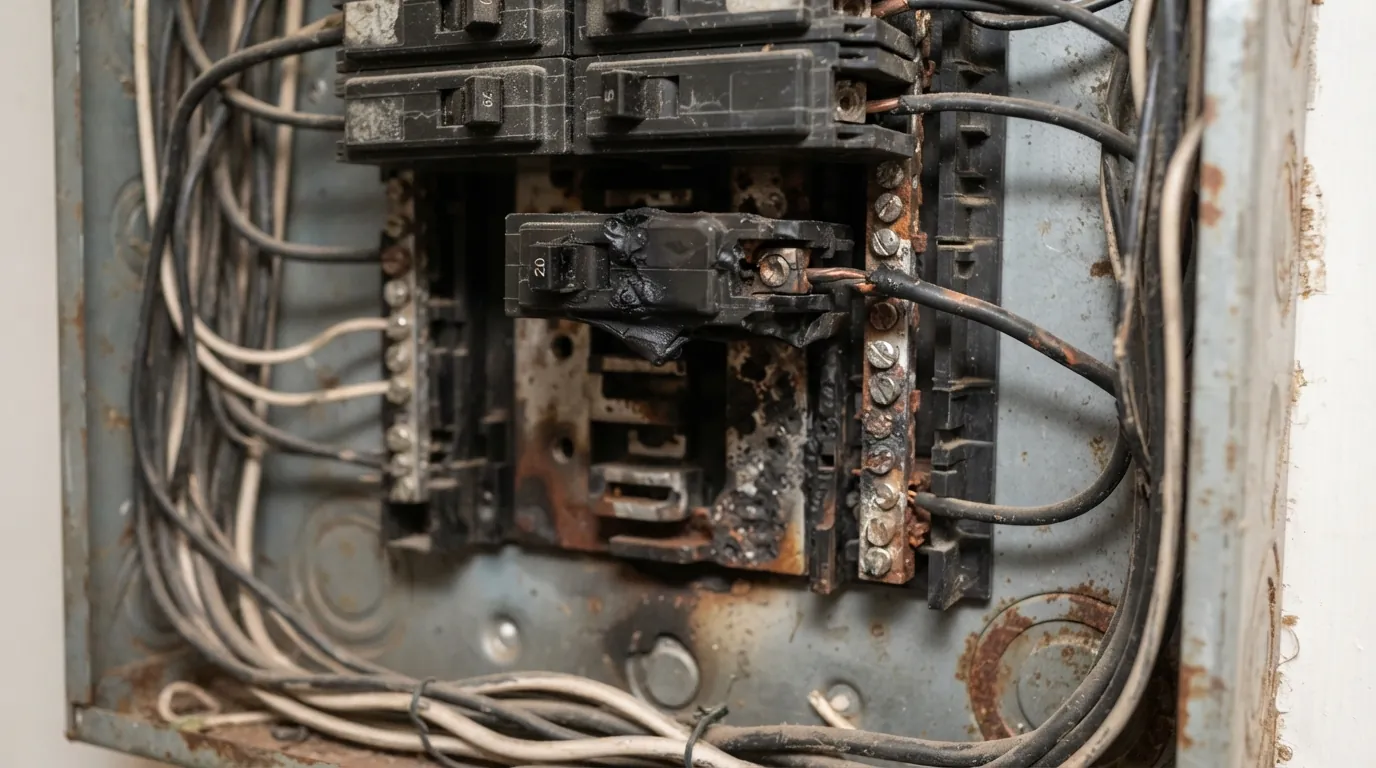
- Burn marks or melted plastic
Turn off the main if safe, and call.
- Breaker trips with nothing running
A fault in the wiring itself.
Quick fixes and slower ones
A failed breaker with an obvious cause is usually a short visit. A circuit that trips intermittently takes longer, because the fault may only appear under certain loads, and each device and box on the circuit has to be tested. We tell you as soon as testing shows which kind it is, and restore safe power to the rest of the home in the meantime.
How a breaker repair runs
Describe the tripping
When it trips, what was running, any heat or smell.
Measure and test
Load, wiring insulation and the breaker itself.
Find the cause
Overload, fault or failed breaker identified.
Repair
Fault fixed, load moved or breaker replaced.
Check the panel
Heat, torque and double taps inspected.
Four breaker problems
Breaker Keeps Tripping
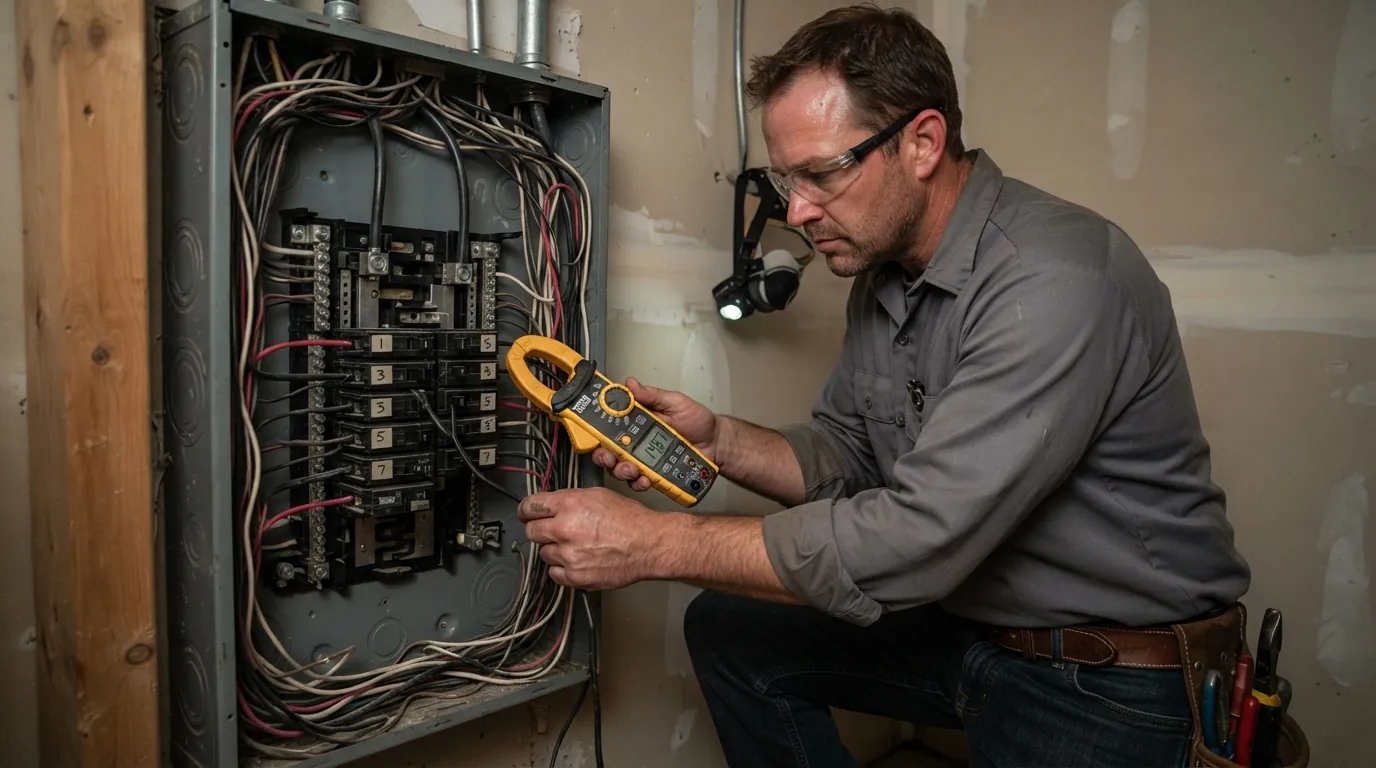
A breaker that trips when two appliances run together is overloaded; one that trips the instant a particular device is plugged in points at that device; one that trips at random may have a wiring fault or be worn. We measure the running load with a clamp meter, unplug and test devices one at a time, and test the wiring insulation. The fix may be moving a load, repairing a fault, adding a circuit or replacing a tired breaker, and we explain which one it was.
Planning range (national sources, 2026): $75 to $150 per hour; service call fees $79 to $179. Coastal-market pricing and building access change the figure; this is a planning band, never a quote.
Breaker Will Not Reset
A breaker that trips again the moment it is reset usually has a dead short or ground fault on its circuit, and it will keep tripping until the fault is found. Occasionally the breaker itself has failed. We disconnect the circuit's load, test the wiring, and trace the fault to the device, box or cable where it sits. Forcing a breaker to stay on is never the answer; it is the one thing standing between the fault and a fire, so it stays off until the fault is fixed.
Double-Tapped and Overheated Breakers
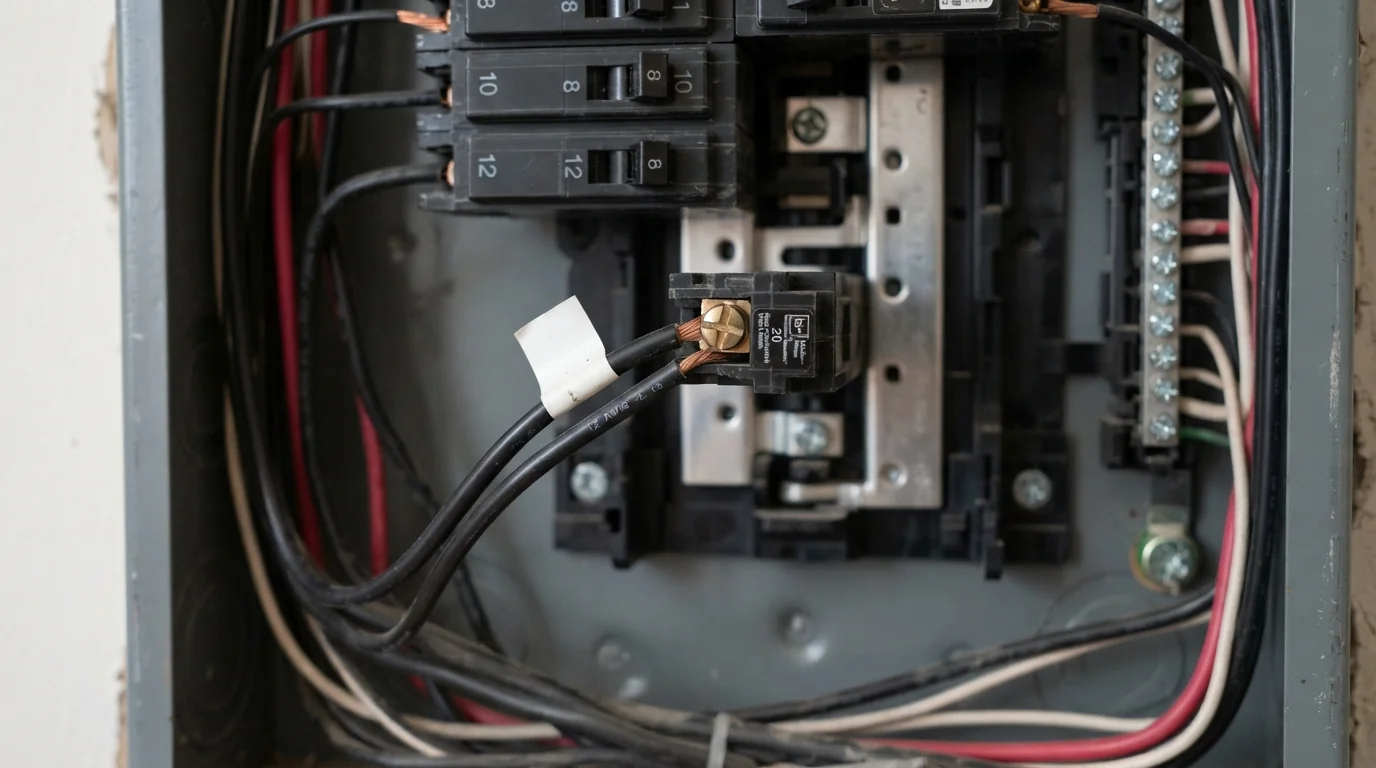
Two wires under one breaker screw, when the breaker is not listed for it, is a common shortcut that loosens over time and overheats. So are breakers that do not match the panel brand. We look for warm or discolored breakers, check torque on connections, separate double taps onto their own breakers or tandems where the panel allows, and replace any breaker with heat damage. Scorching on the bus bar means the panel itself needs attention, which we explain before any work starts.
AFCI and GFCI Breaker Replacement
AFCI and GFCI breakers protect against arcing faults and shock, and they trip for reasons standard breakers ignore. A new AFCI that trips often may be catching a shared neutral or a real arcing fault in old wiring. We test before swapping, correct the wiring problem where there is one, and replace the breaker only when it has failed. Removing the protection to stop the tripping is not an option we offer, since it would leave the original hazard in place.
Why breakers trip more often now
A Level 2 charger can draw 24 to 48 amps for hours, and more than 29,000 electric vehicles were already registered in New York City and Westchester by early 2022. Chargers, heat pumps and induction ranges are the kind of load older panels were never planned around, and they show up first as a main or feeder breaker that trips. When that is the pattern, the answer is a load calculation, not a bigger breaker.
What sets the cost of a breaker repair
Finding the cause is most of the work; the breaker itself is not.
- Diagnosis timeIntermittent faults take longer to trace.
- Breaker typeAFCI and GFCI breakers cost more than standard ones.
- Panel brandDiscontinued panels have costlier or scarcer breakers.
- Wiring repairA fault in a wall or ceiling needs opening and repair.
- After-hours visitNight and weekend calls can carry a different rate.
Circuit breaker questions
Usually overload, a faulty device, a wiring fault or a worn breaker.
No, the breaker must match the wire size.
Yes, it signals a heating connection. Call.
No, use breakers listed for that panel.
It may be detecting arcing or a shared neutral.
Yes, calls are answered 24/7.
Decades, but repeated tripping and heat wear them out.
Related work in the same system
Find out why the breaker trips
Call any hour. If a breaker is hot or smells burnt, turn off the main if you can do it safely.