Grounding Ungrounded Outlets in New York
Screwing a three-prong outlet onto a box with no ground makes the outlet look safe without making it safe. We find whether a ground path exists, add one where we can, and use GFCI protection honestly where we cannot.
- Calls answered 24/7
- Ground path tested, not assumed
- Labeled the way code expects
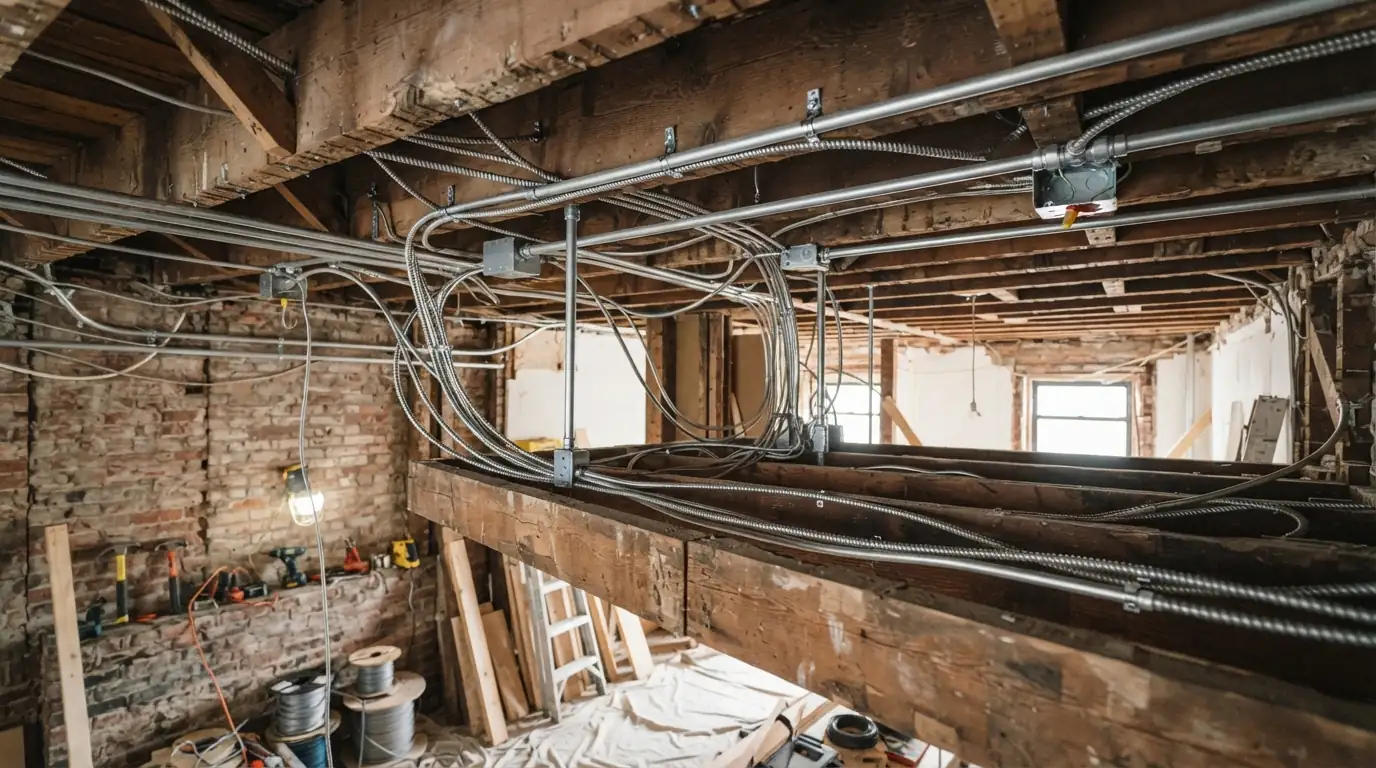
- Every outlet tested for a real ground
- Ground added or GFCI protection installed
- Outlets labeled where no ground exists
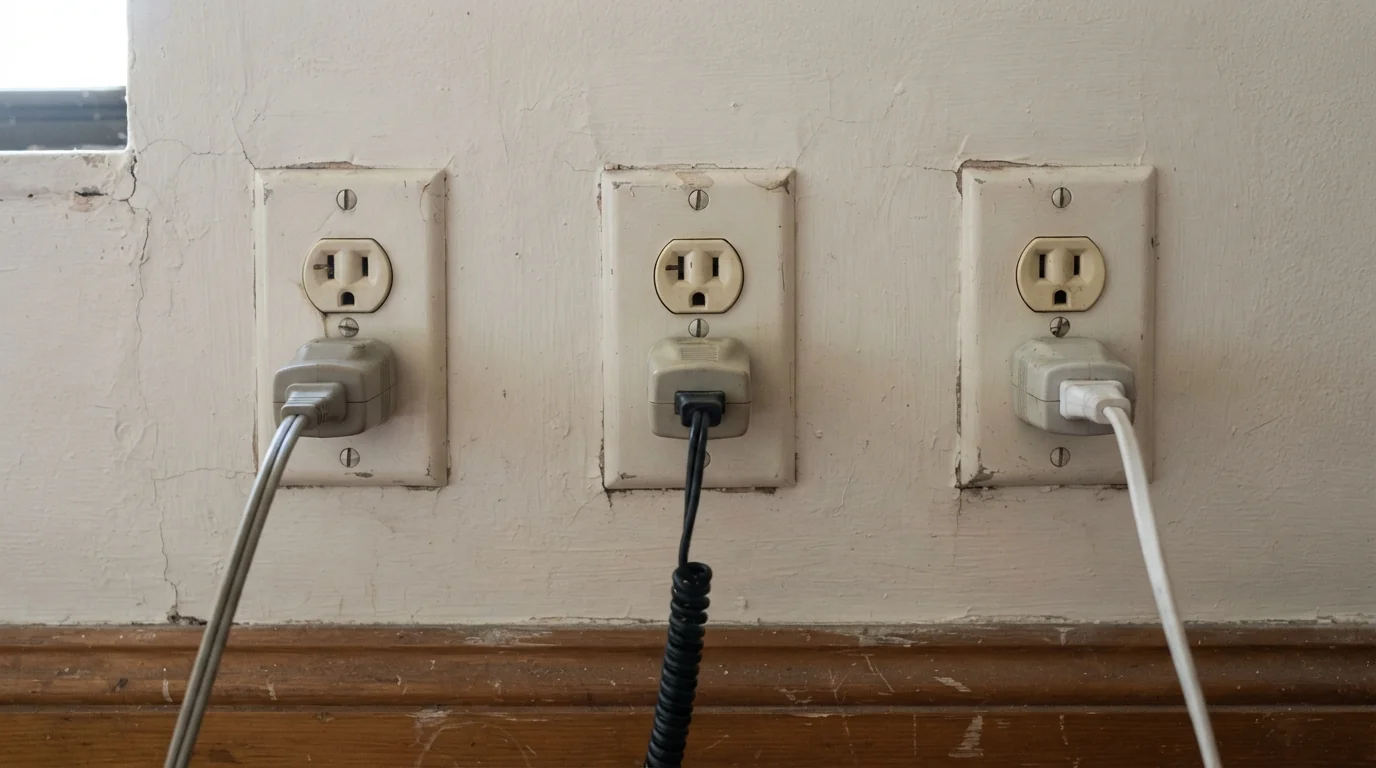
Grounding ungrounded outlets in a New York home means either adding a real equipment ground to the outlet or protecting it with a GFCI and labeling it No Equipment Ground, which the electrical code allows. Three-prong outlets installed on boxes without a ground, a common shortcut, fail both tests and show open ground on a plug-in tester.
Rather ask a person?(929) 755-0293What grounding outlets involves
A ground gives fault current a safe path back to the panel, so a breaker trips instead of a person or an appliance case becoming energized. Two-prong outlets have no ground connection, and many three-prong outlets in older homes have none either, because someone swapped the device without adding the wire.
We test each outlet, then check what the box and cable can offer. Some older armored cable provides a usable ground path; some does not. Where a ground can be added, we add it. Where it cannot, a GFCI at the first outlet of the circuit protects everything after it, and each outlet is labeled so nobody assumes a ground that is not there. When most of the wiring is failing, a rewire is the better answer.
Updated September 2026
What sets the cost of grounding outlets
Whether a ground path already exists decides most of it.
- Existing ground pathUsable armor or conduit makes grounding quick.
- New ground conductorRunning a separate ground means fishing wire.
- GFCI insteadOne GFCI can protect a whole circuit downstream.
- Number of outletsEvery outlet is tested, so more outlets take longer.
- Wall accessPlaster and finished walls slow any new wire.
Doing it yourself versus calling us
| Task | Doing it yourself | With us |
|---|---|---|
| Three-prong outlet on an ungrounded box | Creates an open ground | Grounded, GFCI-protected or left two-prong |
| Testing outlets | A plug-in tester is a good first check | Ground path tested under load |
| Installing a GFCI | Line and load are easy to reverse | Wired and labeled correctly |
| Running a new ground | Needs a licensed electrician in the city | Done and filed where required |
A plug-in tester costs little and tells you a lot. The fixes behind the cover plate belong to an electrician.
Three ways to fix an ungrounded outlet
Two-Prong to Three-Prong Conversion
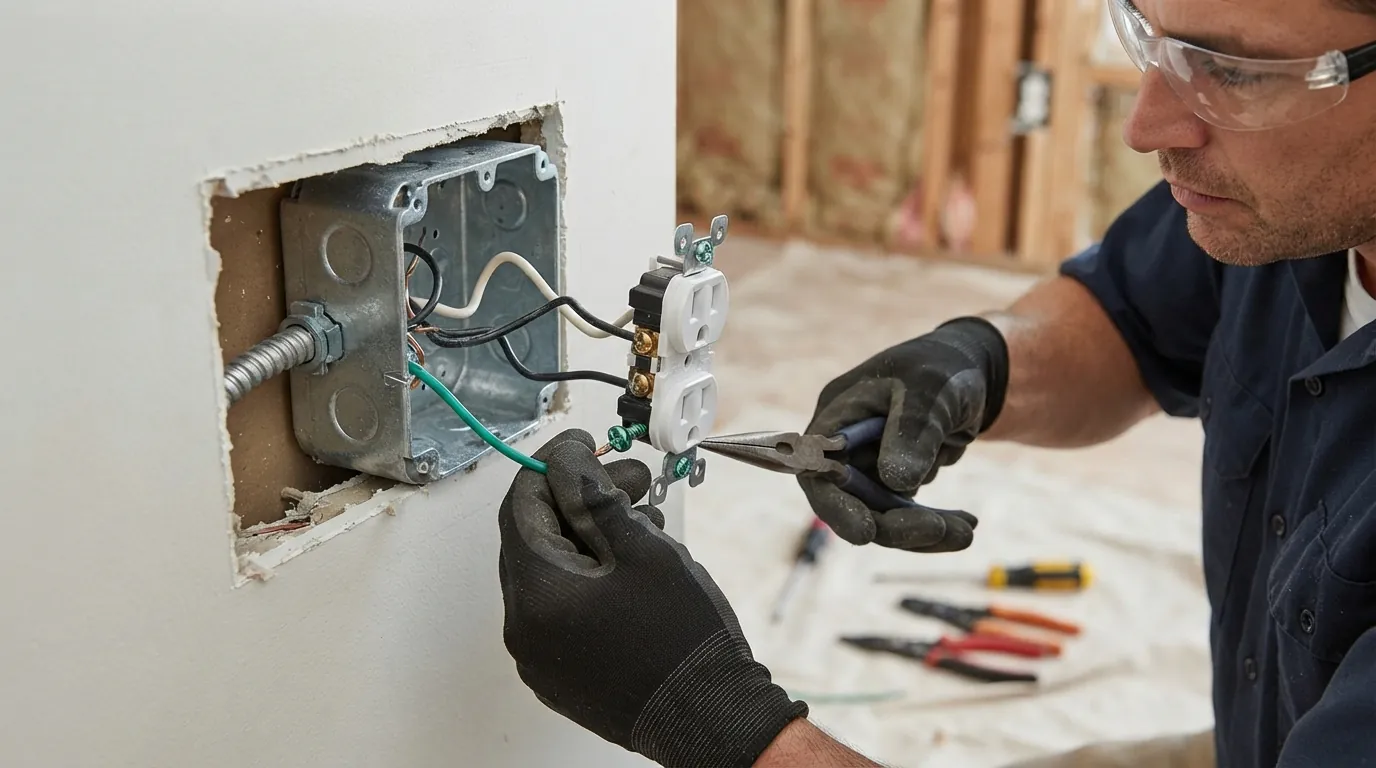
A two-prong outlet can become a properly grounded three-prong outlet only when a ground reaches the box. Sometimes the cable already carries one: armored cable with a bonding strip, or conduit that runs continuously to the panel. We test that path under load rather than trusting it. Where it holds, we bond the box and install the new outlet. Where it does not, we either run a separate ground conductor back to a grounded point or move on to GFCI protection, and we tell you which before starting.
Planning range (national sources, 2026): $75 to $150 per hour; service call fees $79 to $179. Coastal-market pricing and building access change the figure; this is a planning band, never a quote.
GFCI Protection Where No Ground Exists
Where no ground can be added without opening walls, the code allows a GFCI to protect the circuit instead. A GFCI does not create a ground, but it shuts off power when current leaks somewhere it should not, which protects people from shock. Installed at the first outlet on the circuit, it protects every outlet after it. Each protected outlet gets two labels, GFCI Protected and No Equipment Ground, because surge strips and some electronics still need a true ground to work as intended.
Open-Ground Repairs

An open ground is a three-prong outlet with its ground terminal connected to nothing, often because a past owner swapped outlets to fit modern plugs. It is the most misleading condition in a home, because the outlet looks correct. We test every three-prong outlet, not just the ones you suspect, since open grounds tend to come in groups. Each one is either connected to a real ground, converted to GFCI protection with labels, or returned to a two-prong outlet, so the outlet tells the truth.
Old wiring on both sides of the river
Open-ground repairs and GFCI outlets are among the steady calls around Warwick, usually in older houses where three-prong outlets were fitted to two-wire circuits. In New York City, the 2025 Electrical Code includes its own chapter on existing installations for the first time, which is what governs how older circuits are handled when outlets are replaced. In both places the goal is the same: an outlet that tells the truth about its ground.
How a grounding visit runs
Test every outlet
Each one checked for a real ground.
Check the wiring
Armor, conduit or cable condition assessed.
Choose the fix
Ground added, GFCI protection, or two-prong kept.
Install and label
Devices fitted, labels applied.
Retest
Every outlet confirmed before we leave.
Signs your outlets are not grounded
- Two-prong outlets
No ground connection at all.
- Adapters on three-prong plugs
The ground pin is doing nothing.
- Tester shows open ground
A three-prong outlet with no ground behind it.
- Mild shock from an appliance case
A fault with nowhere safe to go. Unplug it.
- Surge strip fault light
Many strips cannot protect without a ground.
- Recent outlet swaps by a previous owner
Worth testing every one.
Grounding questions
Not on an ungrounded box without GFCI protection and labels.
No, but it protects against shock where no ground exists.
The outlet is GFCI protected but has no ground wire.
Sometimes; it depends on the cable type, so we test it.
Often because the outlet has no ground.
New outlets do; older ones have code-approved alternatives.
Yes, that is where every job starts.
Related work in the same system
Data, Cable & Intercom Wiring
DetailsIn-Unit Washer & Dryer Wiring
DetailsAluminum Wiring Repair
DetailsRenovation Electrical
DetailsGuides: Signs your wiring needs replacing and Rewiring a prewar apartment
Make the outlets tell the truth
Call any hour. We test every outlet and explain the fix before touching the wiring.