New Outlet Installation in New York
An extension cord across the room means the outlet is in the wrong place, not that the room needs a longer cord. We add outlets where you use power, on circuits that can carry it, with the protection each room calls for.
- Calls answered 24/7
- Circuit load checked first
- GFCI and AFCI where required
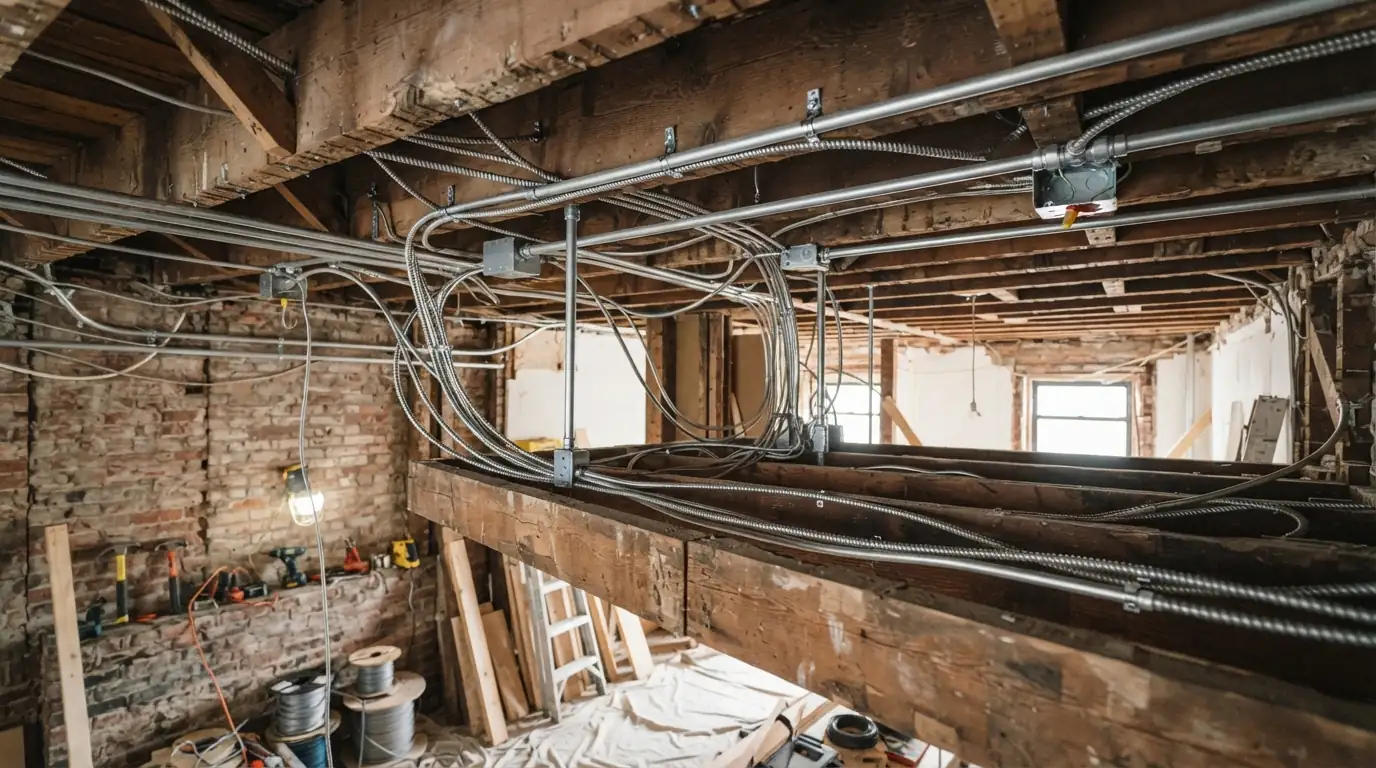
- Circuit capacity checked for the new outlet
- Outlet added with the right protection
- Openings patched and tested
Receptacles and protection devices we install include Leviton and Eaton outlets on Square D and Siemens panels.
Adding an outlet in a New York home means extending a circuit that has capacity, or running a new one, to a new box, with GFCI protection near water and outdoors and AFCI protection in bedrooms and most living areas under current codes. New circuits are filed; extending a nearby circuit is often the quicker route.
Rather ask a person?(929) 755-0293What adding an outlet involves
The outlet is the easy part. The questions are which circuit feeds it and whether that circuit can take more load. Tapping the nearest outlet is quick, but if that circuit already runs the space heater and the TV, a new outlet just moves the tripping somewhere else.
We check the circuit, then choose the route: through the wall from a nearby box, from the basement below, or from the panel as a new circuit. Kitchens, bathrooms, garages and outdoor spots get GFCI protection; bedrooms and living areas get AFCI protection under current codes. When an appliance needs more power than a general outlet provides, see dedicated circuits.
Updated September 2026
What sets the cost of adding an outlet
The route to the new box decides most of the price.
- Nearby circuit or new runExtending a nearby circuit is quicker than a home run.
- Route for the wireAn open basement below is easy; plaster walls are not.
- Protection requiredGFCI and AFCI devices cost more than standard ones.
- Outdoor mountingWeatherproof boxes and covers add parts.
- Number of outletsSeveral in one visit cost less each.
Adding outlets yourself versus calling us
| Task | Doing it yourself | With us |
|---|---|---|
| Tapping the nearest outlet | Easy to overload the circuit | Load checked first |
| GFCI and AFCI rules | Easy to miss | Protection matched to the room |
| Box fill and depth | USB and GFCI devices crammed in | Box sized for the device |
| New wiring in the city | Needs a licensed electrician | Done and filed where required |
Replacing a worn outlet like for like is within reach of a careful homeowner. Adding new outlets means new wiring, and that belongs to an electrician.
Four kinds of outlet we add
GFCI Outlets in Kitchens and Baths
Outlets near sinks, in bathrooms, garages, basements and outdoors need GFCI protection, which shuts the outlet off when current leaks to ground. Kitchen counters also need enough outlets that no stretch of counter is far from one. We add counter outlets on the kitchen's small-appliance circuits, protect them with GFCI outlets or breakers, and place them so they clear the backsplash and any upper cabinets. A single GFCI can protect several outlets downstream when the circuit allows, and we label the ones it covers.
AFCI-Protected Bedroom Circuits
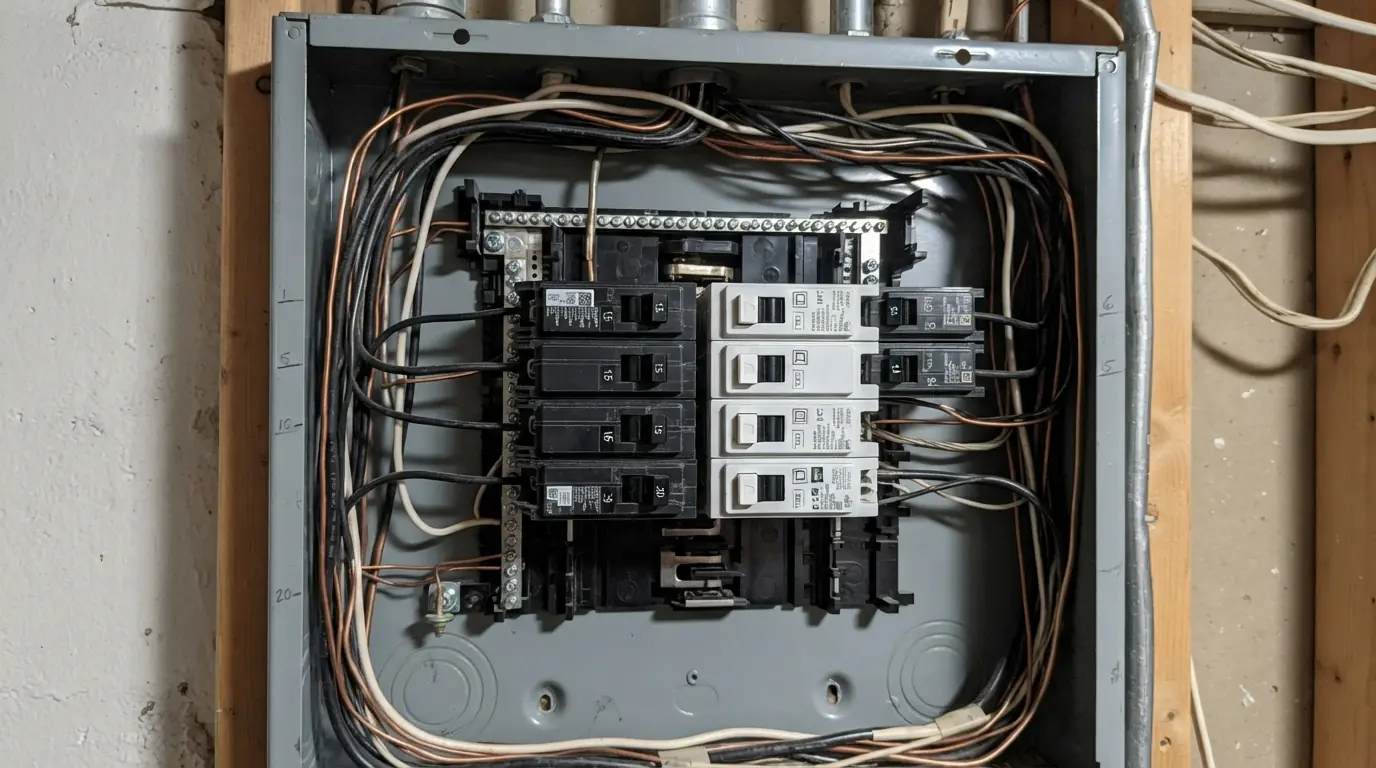
AFCI protection detects arcing from damaged cords and loose connections, the kind of fault that starts fires inside walls. Current codes require it for new outlets in bedrooms and most living areas. When we add an outlet to an older bedroom circuit, the circuit usually gets AFCI protection at the breaker or at the first outlet. Old circuits sometimes trip an AFCI because of shared neutrals or wiring faults, which we find and correct rather than simply leaving the protection off.
USB and 20 Amp Receptacles
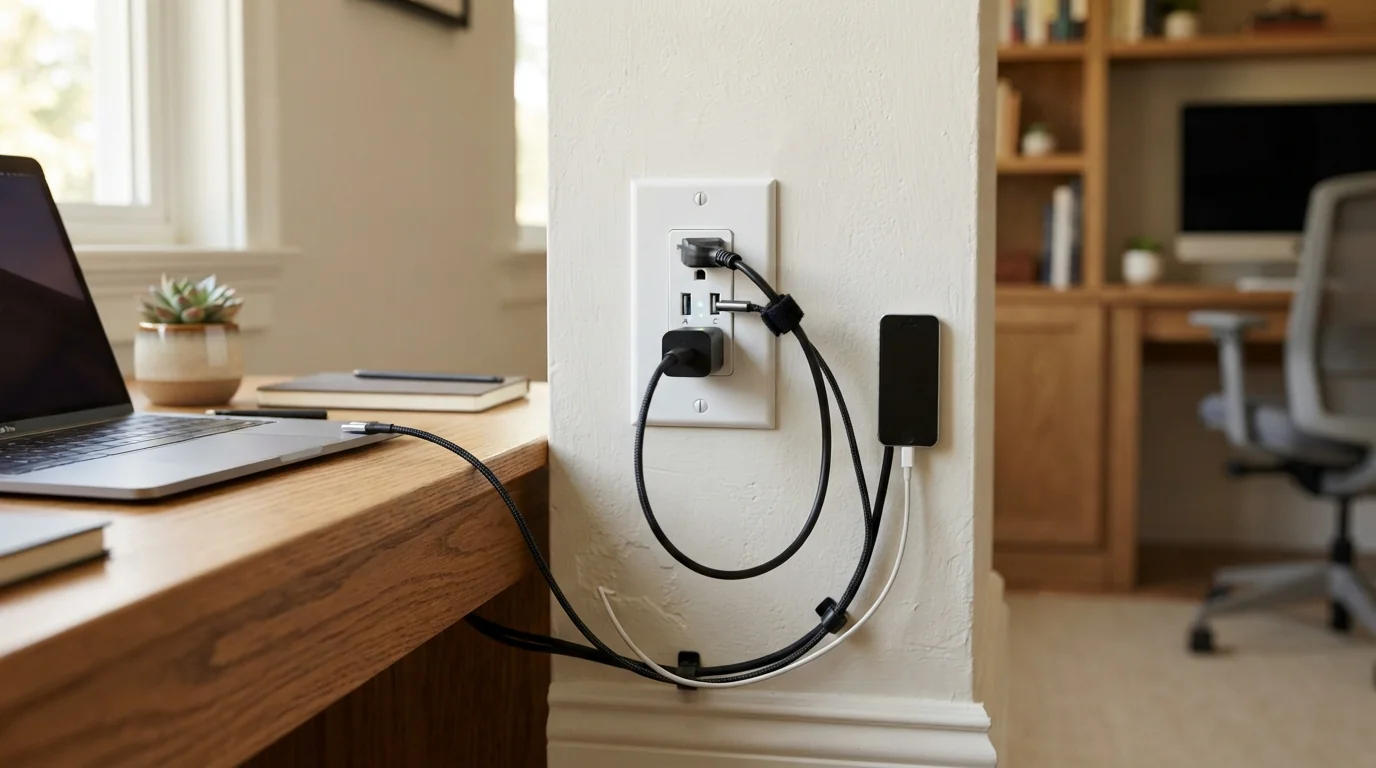
USB outlets charge phones without adapters and are useful beside beds, desks and counters. They need deeper boxes than standard outlets, which is sometimes the only real work involved. Where a circuit is wired for 20 amps, such as kitchen counters and workshops, we install 20 amp receptacles, which accept the T-shaped plug some equipment uses. We never put a 20 amp receptacle on a 15 amp circuit, since the receptacle would promise capacity that the wire behind it cannot safely deliver.
Outdoor and Balcony Outlets
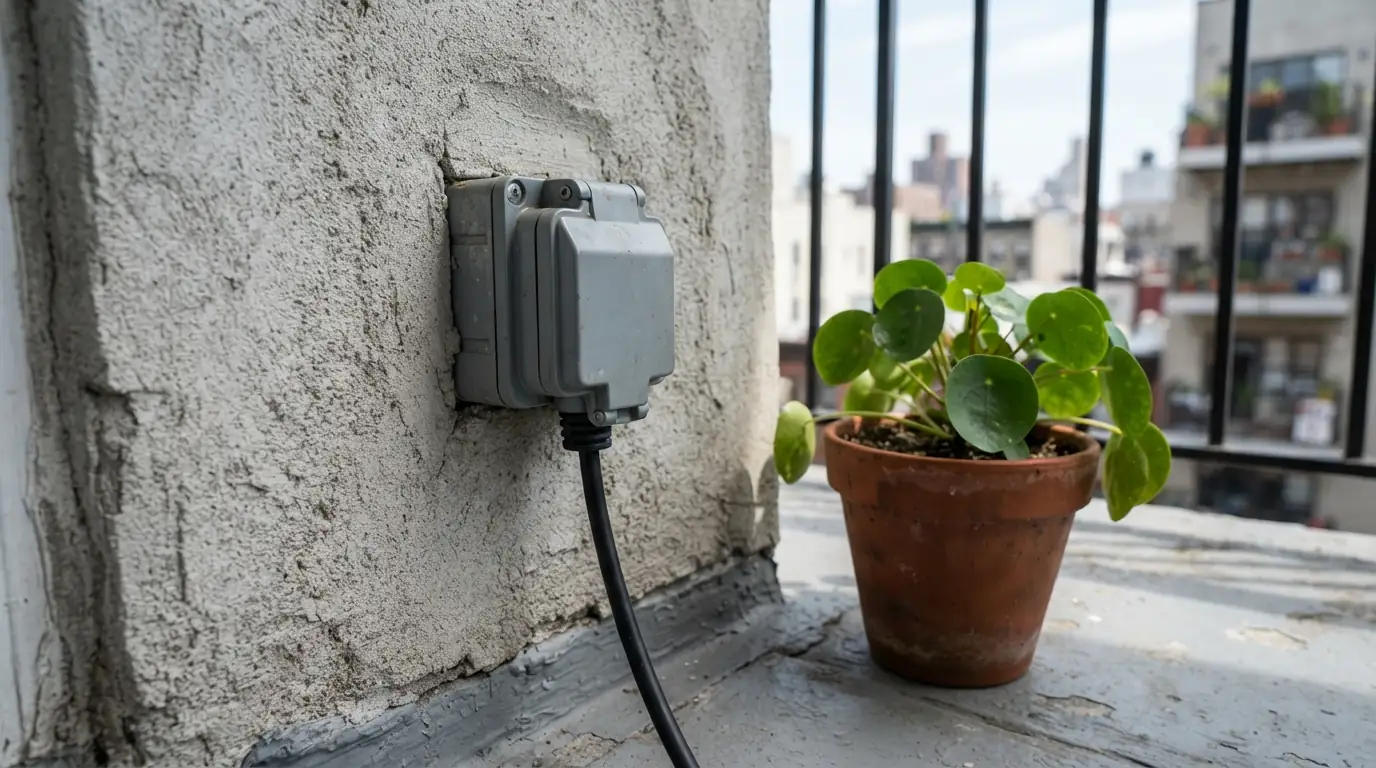
Outdoor outlets need GFCI protection, weather-resistant receptacles and in-use covers that stay closed with a cord plugged in. Current code editions also expect an outlet on balconies and decks reachable from inside the home. On a New York terrace or balcony the route for power depends on what the building allows through the facade. At a house we mount the box on a proper block so water cannot get behind the siding, and the cover is sized for the plug that will actually live there.
Outlets in houses and upstate
In Warwick and the rest of the state outside the city, the 2023 NEC expands GFCI protection to more locations, so outlets added in garages, basements and outdoors come with it by default. In Brooklyn and Queens, where most housing near the subway is three stories or less, adding outlets is often easier than in an apartment, because a basement below gives a route for new wire without opening finished walls.
How adding outlets runs
Pick the spots
Where you actually use power.
Check the circuit
Capacity and protection confirmed.
Route the wire
Fewest and smallest openings.
Install
Boxes, devices and protection fitted.
Test and patch
Each outlet tested, openings closed.
Signs a room needs more outlets
- Extension cords as permanent wiring
Cords under rugs overheat and wear.
- Power strips plugged into power strips
Overloads a single outlet.
- Breaker trips when two things run
Too much on one circuit.
- No outlet near the desk or bed
Cords stretched across walkways.
- Kitchen counters without nearby outlets
Appliances pulled across the sink.
- Outdoor cords run through a window
A door or window pinching a live cord.
Outlet installation questions
Usually, by fishing wire through small openings.
Near sinks, in bathrooms, garages, basements and outdoors.
A device that detects dangerous arcing and trips the circuit.
Yes, in a box deep enough for the device.
New circuits are filed; we advise per job.
Yes, within what the building allows.
It does not add capacity and can overload the outlet.
Related work in the same system
Add the outlet where you need it
Call any hour. Tell us where the cords run now and we will plan the outlets.