Hardwired Smoke and Carbon Monoxide Detectors in New York
An alarm with a missing battery protects nobody. Hardwired, interconnected smoke and carbon monoxide alarms sound together throughout the home and keep a battery only as backup. We install them where the code and the layout call for them.
- Calls answered 24/7
- Interconnected alarms
- Placed where code expects them
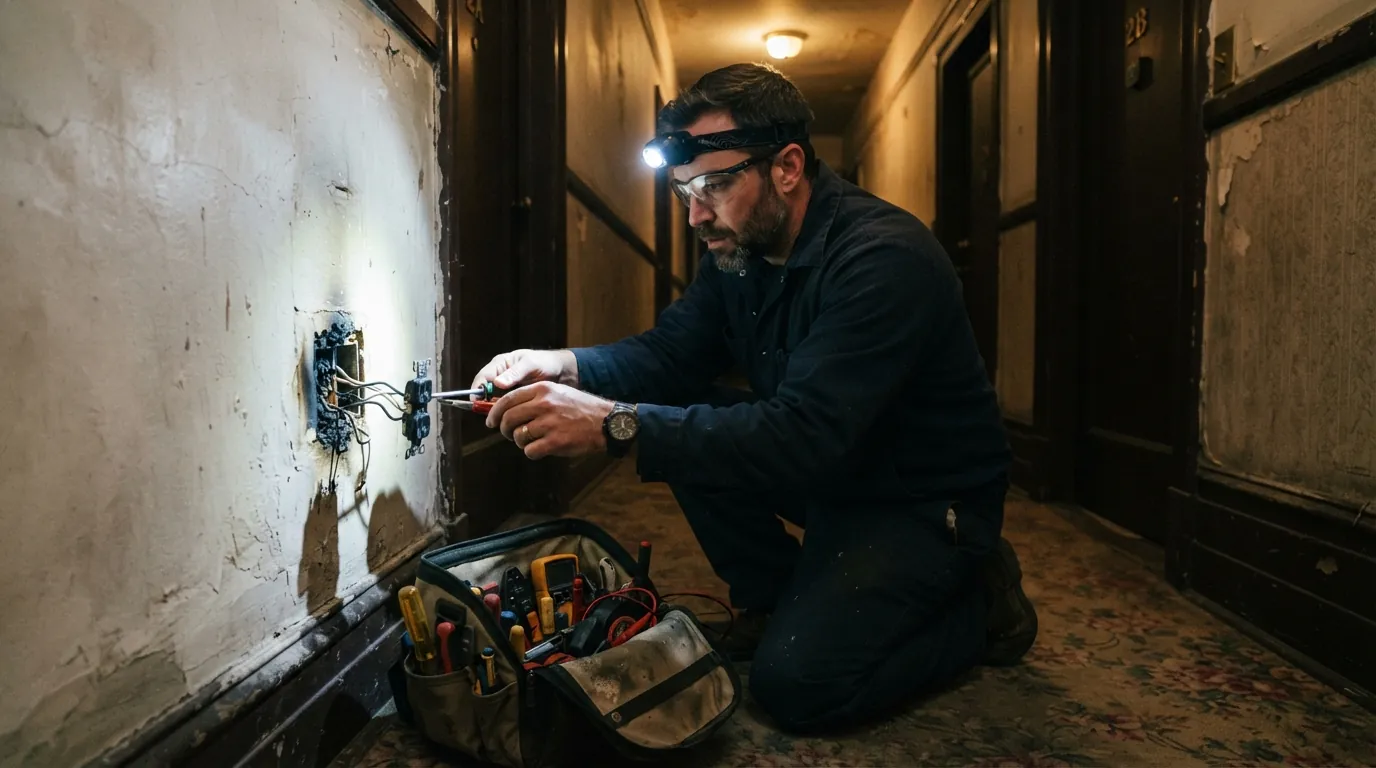
- Alarm locations mapped to bedrooms and levels
- Hardwired alarms installed and interconnected
- Every alarm tested together
Alarms we install include Kidde hardwired and 10-year sealed units, alongside Leviton and Eaton wiring devices.
Smoke and carbon monoxide alarms in New York homes belong inside each bedroom, outside every sleeping area and on each level, and in New York City owners must provide at least one working smoke and CO alarm in each apartment. Hardwired interconnected alarms sound together, so a fire in the basement wakes the people upstairs.
Rather ask a person?(929) 755-0293What an alarm installation includes
- Locations mapped for bedrooms, halls and every level
- CO protection near sleeping areas where fuel is burned
- Power and interconnect to each alarm
- Matching alarms so the interconnect works
- Mounted away from kitchens and bathrooms that cause false alarms
- Manufacture dates recorded
- All alarms tested together
What detector installation involves
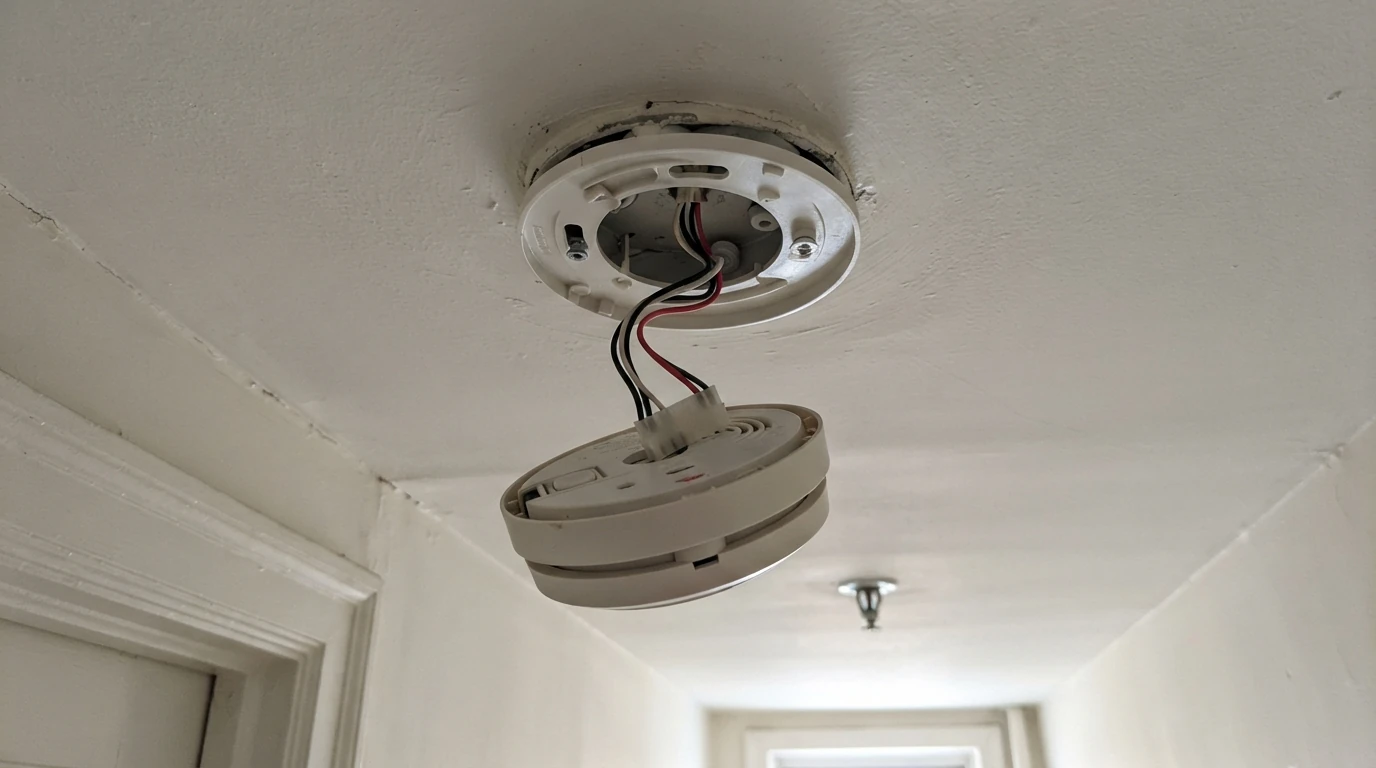
Battery-only alarms are easy to install and easy to disable, and a single alarm in one hallway may not wake someone behind a closed bedroom door. Hardwired alarms run on household power with a battery backup, and interconnected ones all sound when any one detects smoke or carbon monoxide.
We map the locations first: each bedroom, outside sleeping areas, every level including the basement, and near any fuel-burning appliance for CO. Then we run the wiring and interconnect, mount the alarms away from spots where they false-alarm, and test them together. Landlords preparing for a turnover can pair this with an electrical inspection.
Updated September 2026
Three kinds of alarm work
Hardwired Interconnected Alarms
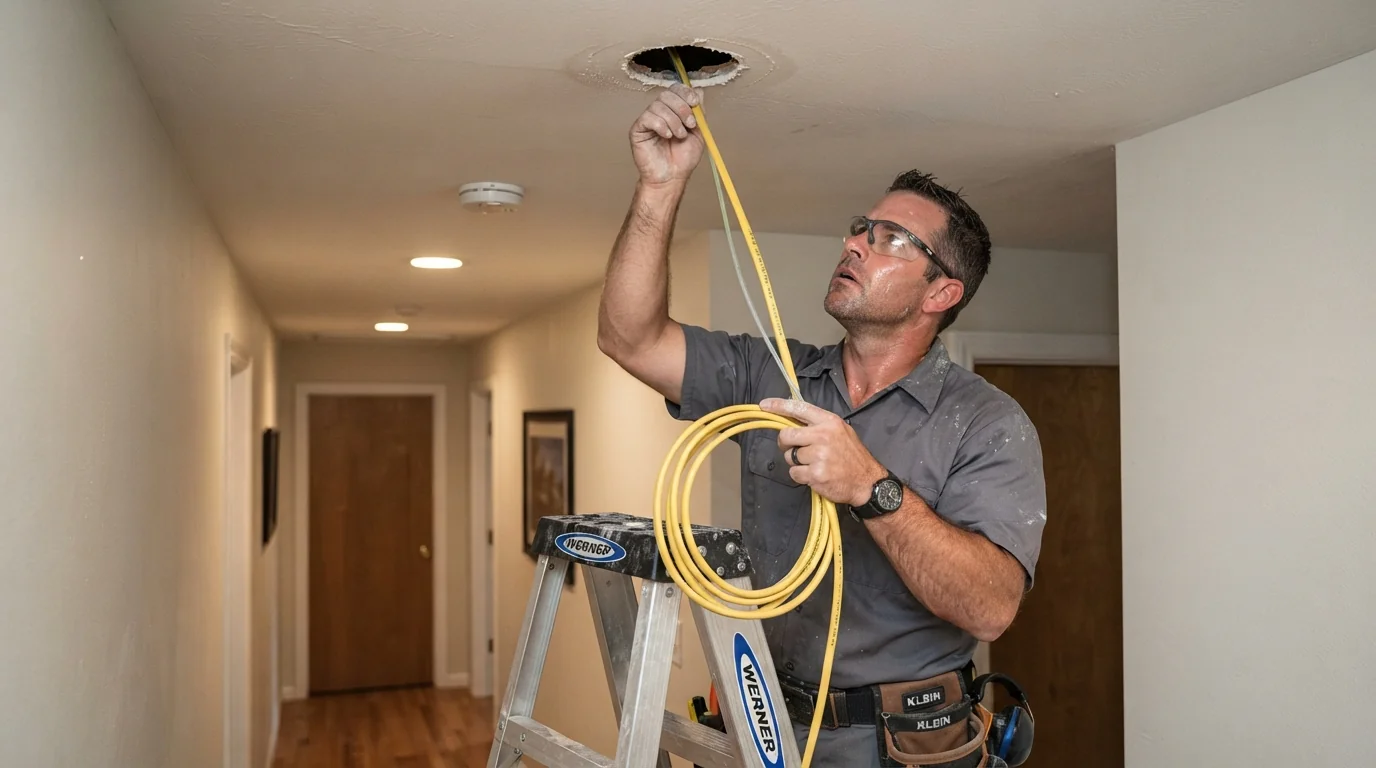
Interconnected alarms share a signal wire, or a wireless link on some models, so every alarm in the home sounds when one detects a problem. We run power and the interconnect to each location, usually from a single circuit, and choose alarms that match each other so the interconnect works. In older homes without existing alarm wiring, wireless-interconnected hardwired units can reduce how many ceilings need to be opened, while still running on household power with a battery backup for outages.
Replacing 10-Year Sealed Units
Alarms wear out. Most are designed for about ten years, and many chirp or sound an end-of-life signal when they reach it. Sealed 10-year battery units cannot have their battery removed, which is exactly why they work in rentals. We replace expired alarms, check the manufacture date printed on each one, and upgrade older battery-only units to hardwired or sealed models so the next replacement is a decade away rather than a battery change every year, and each unit's date is written on a list you keep.
Combination Smoke and CO Detectors
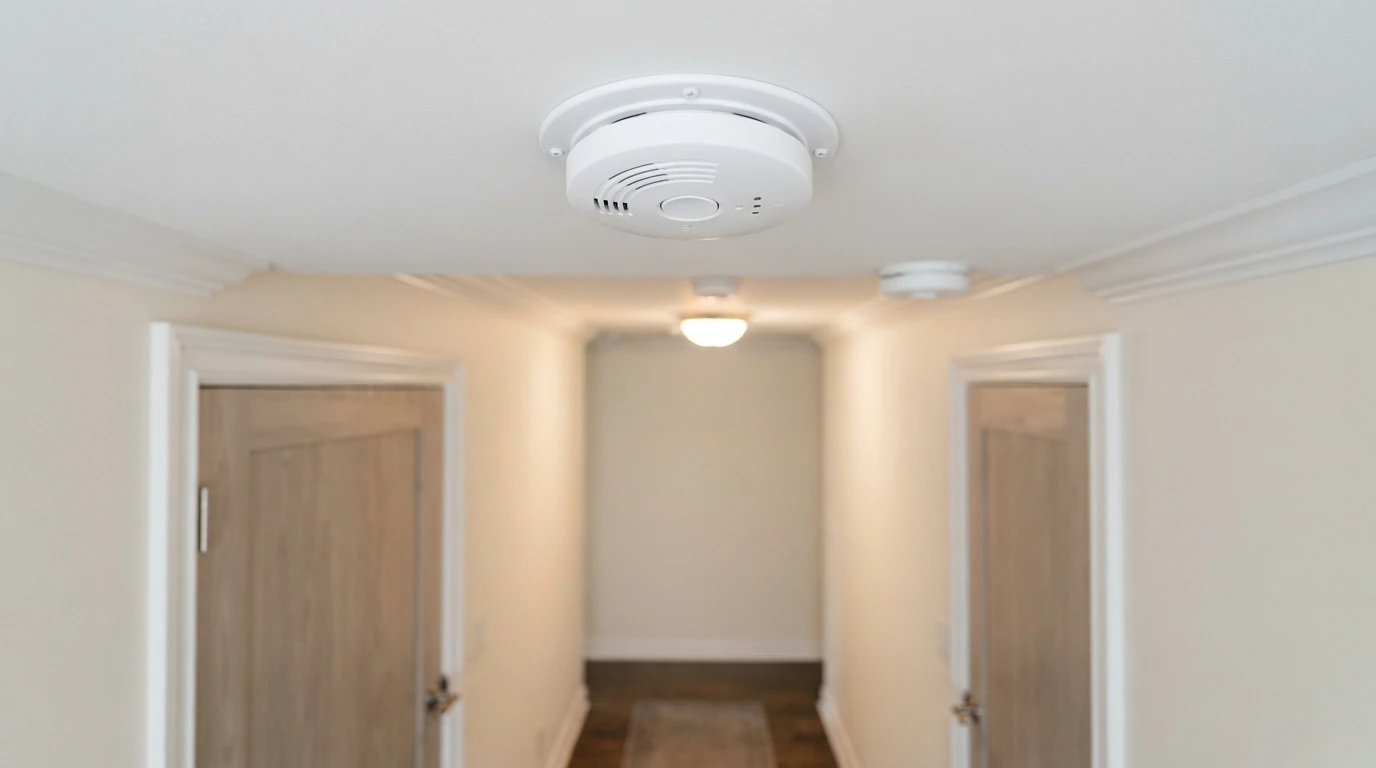
Combination alarms detect both smoke and carbon monoxide in one unit, which saves ceiling space outside bedrooms and near stairs. Carbon monoxide comes from fuel-burning equipment like boilers, furnaces, gas ranges and attached garages, so homes with any of these need CO protection near sleeping areas. We place combination units where both are needed and single-purpose smoke alarms where only smoke is a concern, such as inside bedrooms in some layouts, following the manufacturer's spacing from walls and ceiling corners.
How alarm installation runs
Map the locations
Bedrooms, halls, levels and fuel-burning equipment.
Choose the alarms
Smoke, CO or combination, all matching.
Wire and mount
Power and interconnect to each location.
Test together
Every alarm sounds when one is tested.
Record
Locations and manufacture dates noted.
What the city requires now
In New York City, smoke alarms installed after April 1, 2014 must have a sealed battery that lasts at least ten years, carbon monoxide alarms must sound an end-of-life warning, and owners must provide at least one working smoke and CO alarm in each apartment. Natural gas alarms are next: Local Law 157 requires them in homes with gas service, with enforcement pushed back to no earlier than January 1, 2027.
What sets the cost of alarm installation
Wiring is what separates a quick visit from a longer one.
- Existing alarm wiringReplacing on existing wiring is quick.
- New locationsRunning power and interconnect to new spots takes time.
- Wireless interconnectSaves fishing wire between floors.
- Number of alarmsBedrooms, halls and every level add up.
- Combination unitsCost more but cover smoke and CO in one.
Installing alarms yourself versus calling us
| Task | Doing it yourself | With us |
|---|---|---|
| Battery-only alarms | Easy, but each sounds alone | Hardwired and interconnected |
| Replacing on existing wiring | Manageable with the breaker off | Done with matching units |
| Running new wiring | Needs a licensed electrician in the city | Done where required |
| Placement | Too close to kitchens causes false alarms | Placed to avoid nuisance alarms |
Testing alarms monthly and replacing expired battery units are owner jobs. New wiring and interconnection belong to an electrician.
Smoke and CO alarm questions
Inside each bedroom, outside sleeping areas and on every level.
Usually a low battery or the end-of-life signal.
Most are designed for about ten years.
Yes, if the home has fuel-burning equipment or an attached garage.
Only if they are compatible; matching units are safest.
Local Law 157 requires them; enforcement starts no earlier than January 1, 2027.
Yes, apartment by apartment with the owner.
Related work in the same system
Emergency Electrician
DetailsElectrical Troubleshooting
DetailsInspections before a sale or turnover
DetailsInfrared Electrical Scanning
DetailsGuides: Winter storm electrical prep
Get alarms that wake everyone
Call any hour. Tell us the number of bedrooms and levels and we will map the alarms.