Electrical Safety Inspections in New York
A home inspector looks at the panel cover; we look behind it. Our electrical inspection tests the panel, the wiring, the devices and the alarms, and ends with a written report you can hand to a buyer, a board or an insurer.
- Calls answered 24/7
- Written report with photos
- Findings ranked by urgency
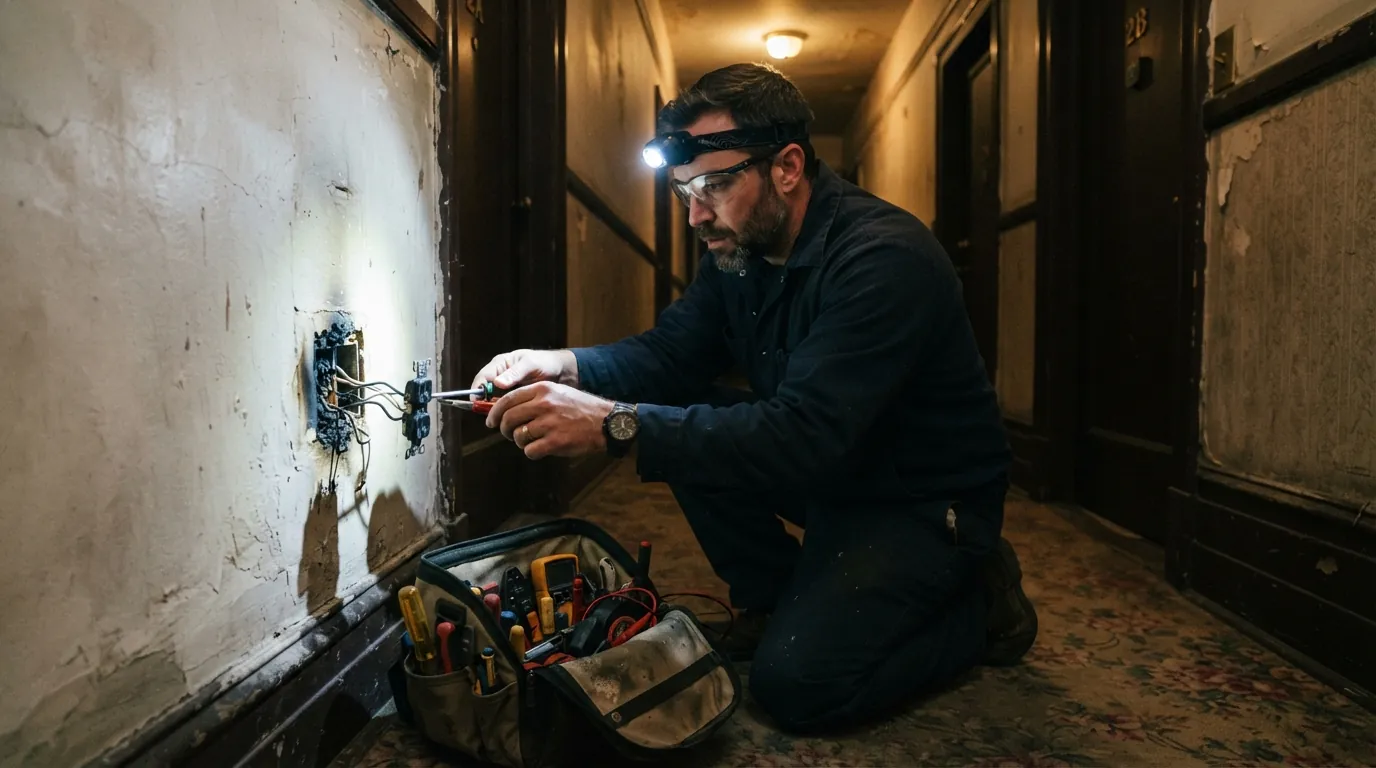
- Panel, wiring and devices tested
- Smoke and CO alarms checked
- Written report ranked by urgency
An electrical safety inspection in New York examines the panel and breakers, samples outlets and switches with test equipment, checks grounding and GFCI and AFCI protection, and verifies smoke and carbon monoxide alarms, then produces a written report ranked by urgency. It goes deeper than a general home inspection, which usually stops at the panel cover.
Rather ask a person?(929) 755-0293What the inspection includes
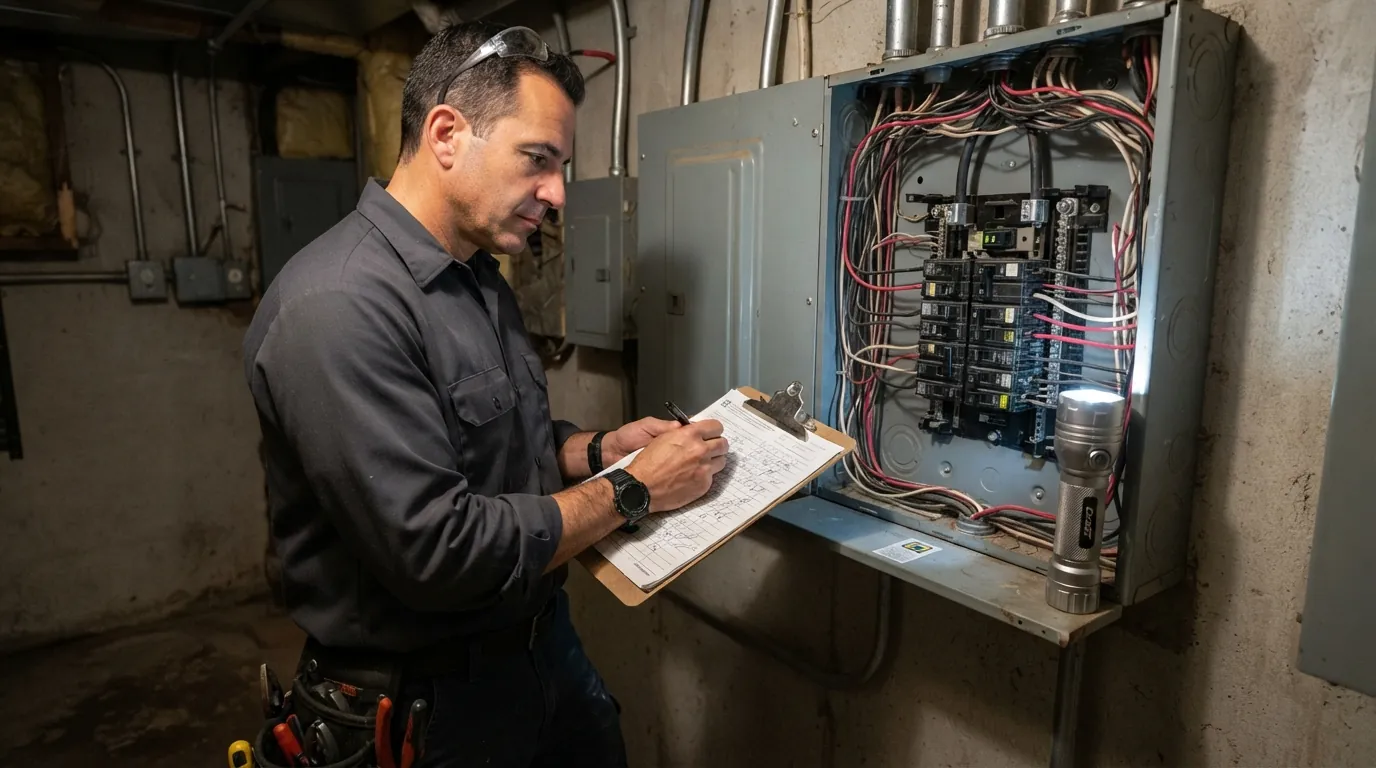
- Panel opened and breakers matched to wire sizes
- Service, grounding and bonding checked
- Sample of outlets and switches tested
- Every GFCI and AFCI tested
- Smoke and carbon monoxide alarms verified
- Old wiring types identified if present
- Written report with photos, ranked by urgency
What an electrical inspection covers
We open the panel and check breaker sizes against wire sizes, look for double taps, scorching, corrosion and signs of past overheating, and confirm the service and grounding. Then we move through the home, testing a sample of outlets and switches, every GFCI and AFCI, and the alarms. Old wiring types, like knob and tube or aluminum branch circuits, are identified when present.
The report separates hazards from maintenance items and code upgrades, so you know what must be fixed now, what can wait, and what is simply older than current practice. Where a finding needs work, the report says what the fix involves, such as replacing a panel or regrounding outlets.
Updated September 2026
Three reasons to book an inspection
Pre-Purchase Apartment Inspection
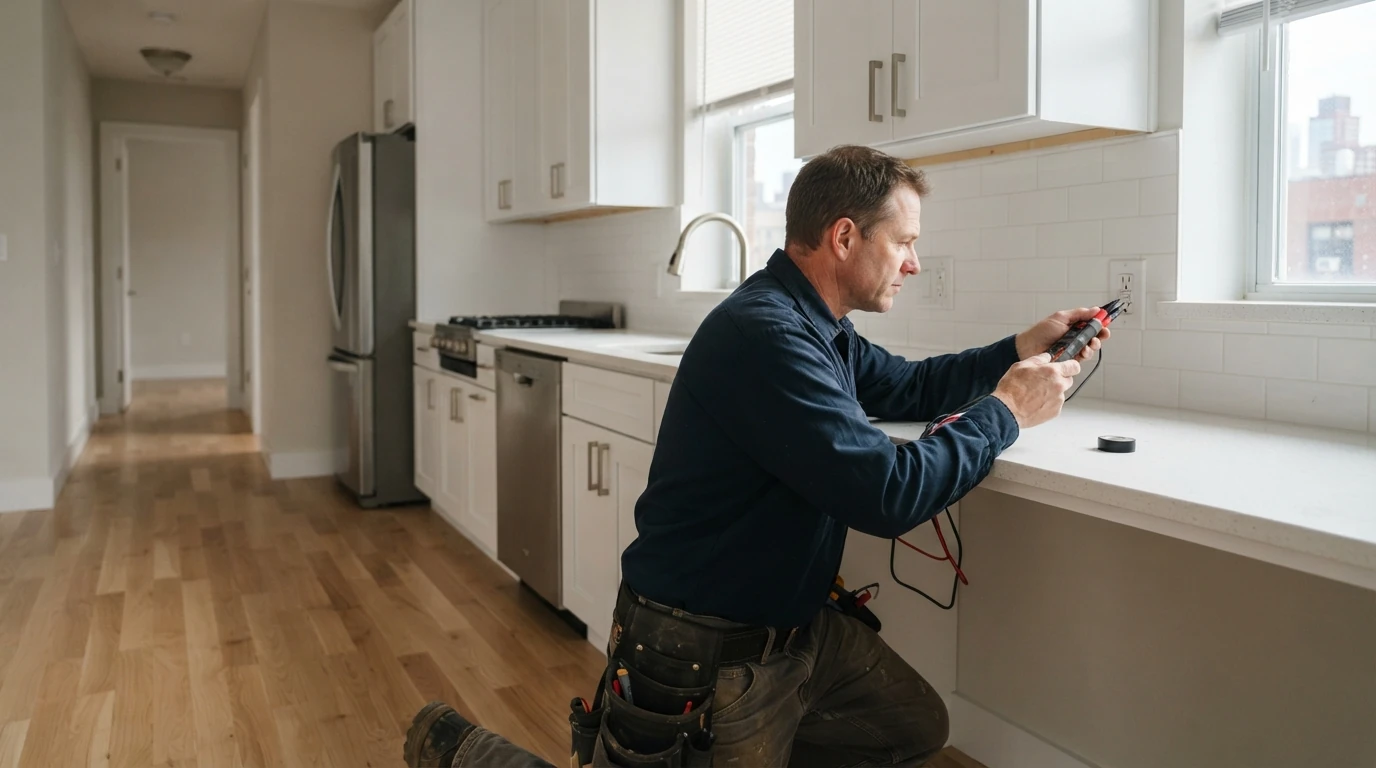
Before you sign on an apartment or a house, an electrical inspection tells you whether the panel, feeder and wiring can carry how you plan to live there, and what upgrades a renovation will need. In a co-op, it also tells you what the building controls, like the riser and feeder, versus what you would own. We work to your contract timeline and deliver the report quickly enough to use in negotiation or in planning the renovation budget, with costs described in plain terms.
Planning range (national sources, 2026): $75 to $150 per hour; service call fees $79 to $179. Coastal-market pricing and building access change the figure; this is a planning band, never a quote.
Landlord and Rental Turnover Check
Between tenants is the cheapest time to find electrical problems, because nobody is living with them. We check every outlet, switch and fixture, test GFCIs, verify smoke and carbon monoxide alarms, and note anything a new tenant would complain about in the first month. The landlord gets a list of repairs ranked by urgency, and can have them done before the next move-in rather than after the first complaint arrives, and the report doubles as a record for the building file.
Insurance-Requested Inspection
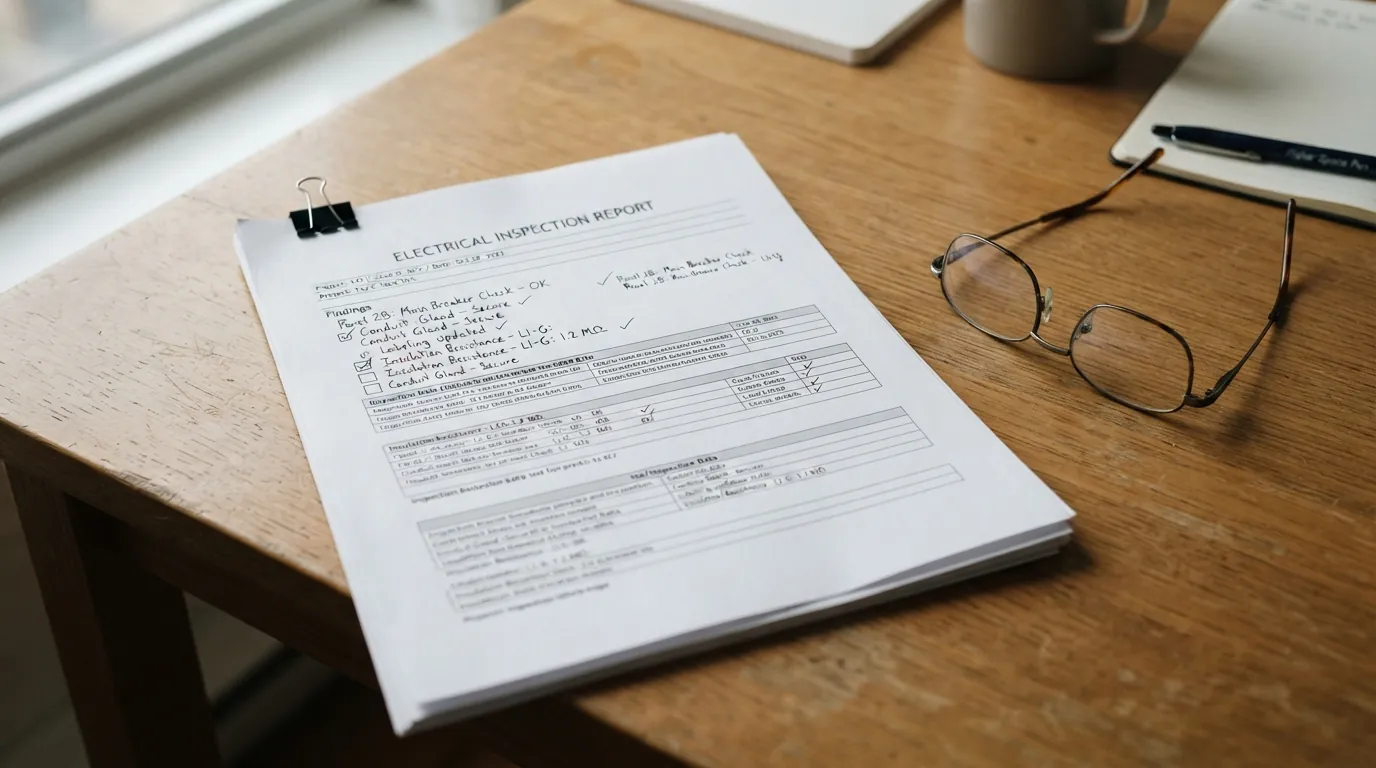
Insurers sometimes ask for an electrical inspection when they see an older home, a fuse panel, knob and tube or aluminum wiring. We inspect, document what is actually present with photos, and write the findings in plain terms an underwriter can use. If the insurer names a condition they want corrected, the report says what the correction involves, and a follow-up inspection confirms it once the work is done, with a short letter the insurer can place directly in the policy file.
How an inspection runs
Book the visit
Access arranged, purpose of the inspection noted.
Inspect the panel
Breakers, wire sizes, service and grounding.
Test through the home
Outlets, switches, GFCIs, AFCIs and alarms.
Document
Photos and notes on every finding.
Report
Findings ranked by urgency, with the fix explained.
What rental inspections look for in the city
The city counted about 1,006,000 rent-stabilized apartments in 2021, 28 percent of its housing, so turnover inspections are a regular part of owning rentals here. Alarm rules are specific: smoke alarms installed after April 1, 2014 must carry a sealed battery lasting at least ten years, carbon monoxide alarms must warn at the end of their life, and owners must provide at least one of each in every apartment. We check those during every rental inspection.
What sets the cost of an inspection
Size and access decide most of it.
- Size of the propertyMore rooms and panels take longer to test.
- Number of panelsMulti-family buildings may have one per unit.
- AccessLocked units and blocked panels slow the visit.
- Report detailInsurer and board reports may need more documentation.
- Follow-up visitConfirming corrections is a separate, shorter visit.
When to book it
For a purchase, book early in the contract period so the findings can shape the negotiation or the renovation budget. For a rental, book between tenants, before the unit is cleaned and shown. For an insurer, book as soon as the request arrives, since the report often needs to reach them by a set date. The report follows the visit so you can act on it straight away.
Electrical inspection questions
We open the panel and test circuits instead of only looking.
A representative sample, plus every GFCI and AFCI.
Yes, ranked by urgency with the fix described.
Yes, with the seller's and building's access.
Yes, on every inspection.
Yes, it is written for that.
Yes, but you are free to use the report with anyone.
Related work in the same system
Outlet & Switch Repair
DetailsSmoke and CO alarms
DetailsElectrical Permits & Sign-Offs
DetailsFault finding
DetailsGuides: Signs your wiring needs replacing and How to choose an electrician
Book the electrical inspection
Call any hour. Tell us whether it is a purchase, a rental or an insurer request.