Apartment and House Rewiring in New York
When every repair uncovers another brittle wire, the patchwork has reached its end. We rewire apartments and houses in the cable the local code requires, plan it room by room, and keep the openings small.
- Calls answered 24/7
- Conduit or armored cable in the city
- Room-by-room sequencing
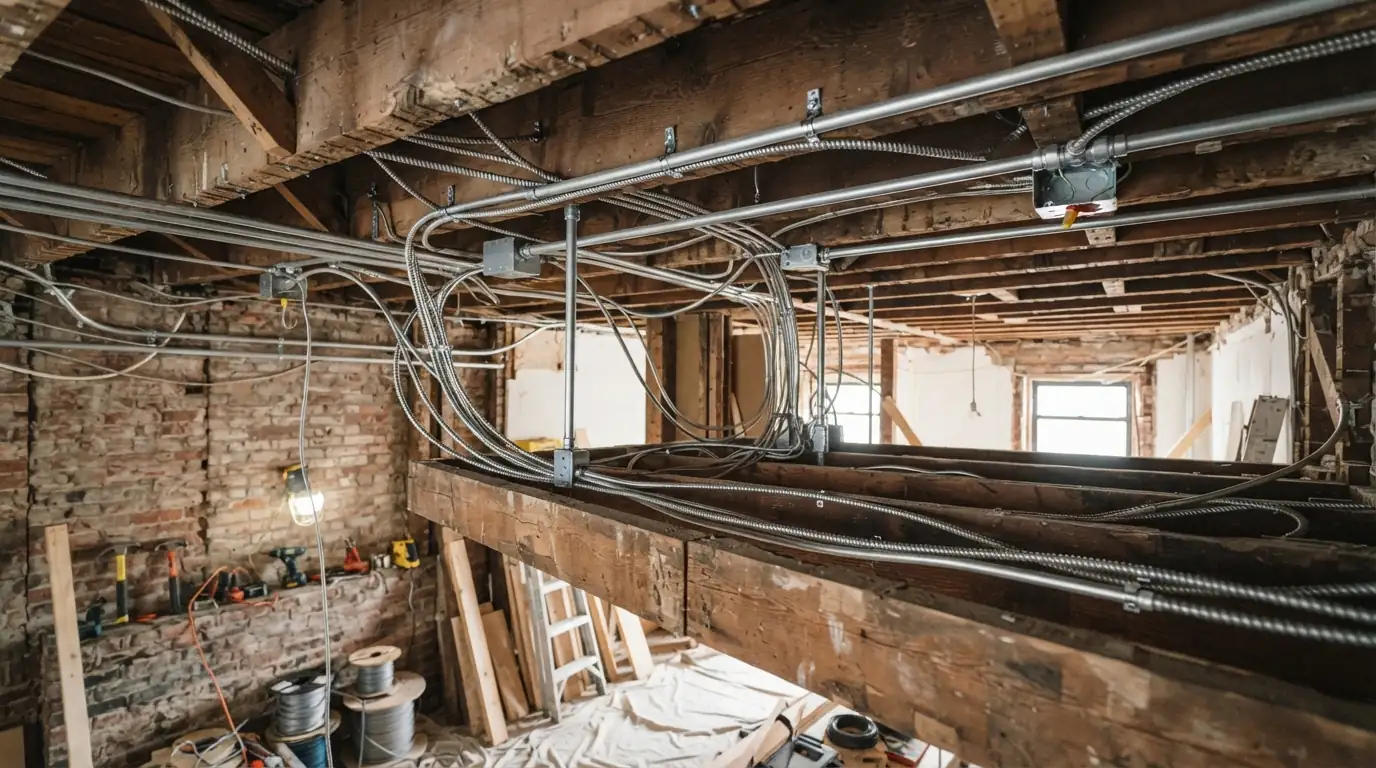
- Existing wiring surveyed and mapped
- New circuit layout for today's loads
- Permit, inspection and patching
Rewiring a New York apartment or house means replacing the old branch circuits, often deteriorated BX armored cable or cloth-covered wire, with new circuits in conduit or armored cable as the city code requires. National 2026 guides put whole-house rewires at $4 to $15 per square foot, and the job is filed, inspected and done room by room.
Rather ask a person?(929) 755-0293What a rewire involves
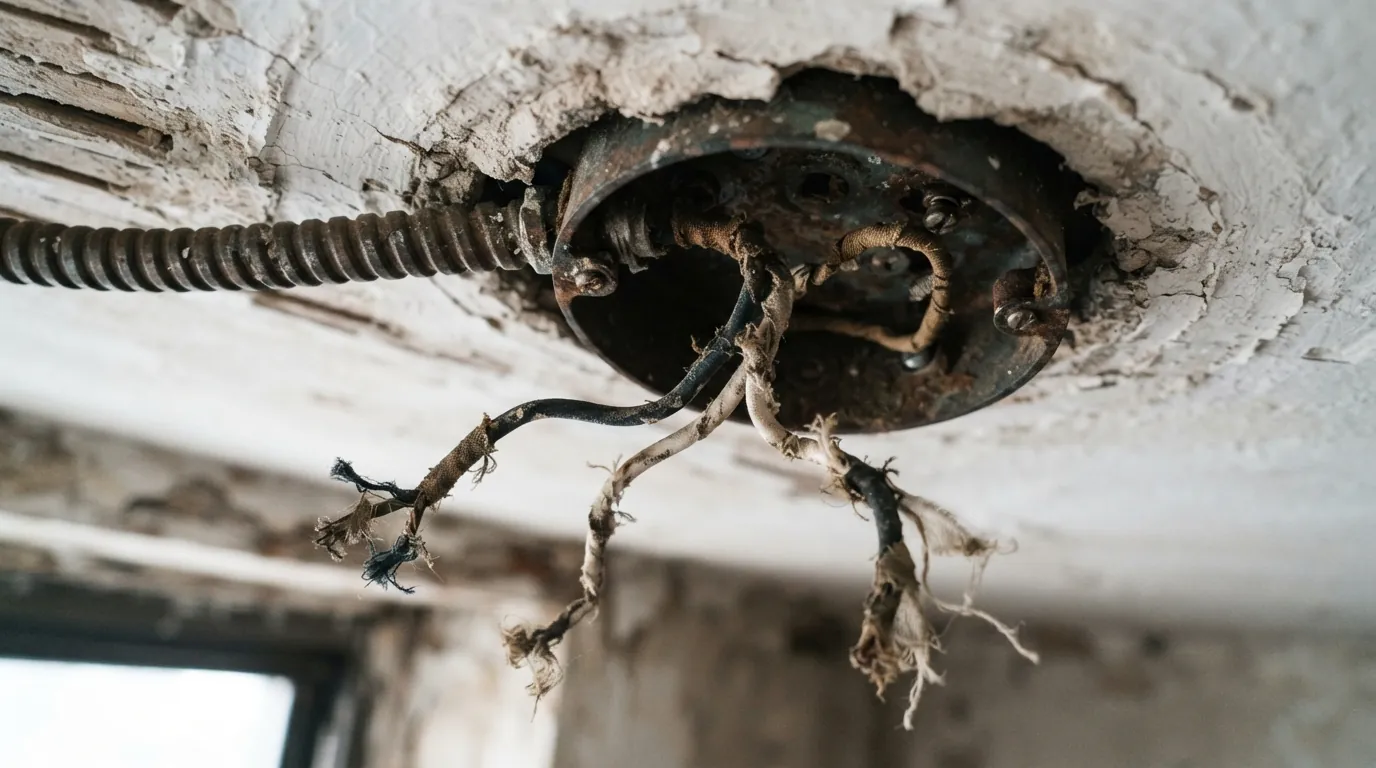
A rewire replaces the wiring between the panel and every outlet, switch and fixture. In prewar apartments that usually means old BX armored cable whose cloth-covered conductors crumble when a device is pulled, or circuits shared across rooms in ways no one would design today. The new layout gives kitchens, bathrooms and bedrooms the circuits they need now.
We survey first, mapping each circuit and finding what can be reused. The work then goes room by room through small openings, with power restored each evening. The panel is often replaced in the same project, and the result is filed and inspected. Where the old wiring is original knob and tube, see knob and tube replacement.
Updated September 2026
What drives the cost of a rewire
How the walls open matters more than the square footage.
- Cable methodConduit or armored cable in the city costs more than sheathed cable upstate.
- Plaster or drywallPlaster on lath takes more care to open and patch.
- Occupied or emptyWorking around daily life adds time.
- Panel and feedA new panel or riser feed is often part of the job.
- Building rulesWorking hours and approvals stretch co-op projects.
Three ways a rewire is scoped
Full Apartment Rewire
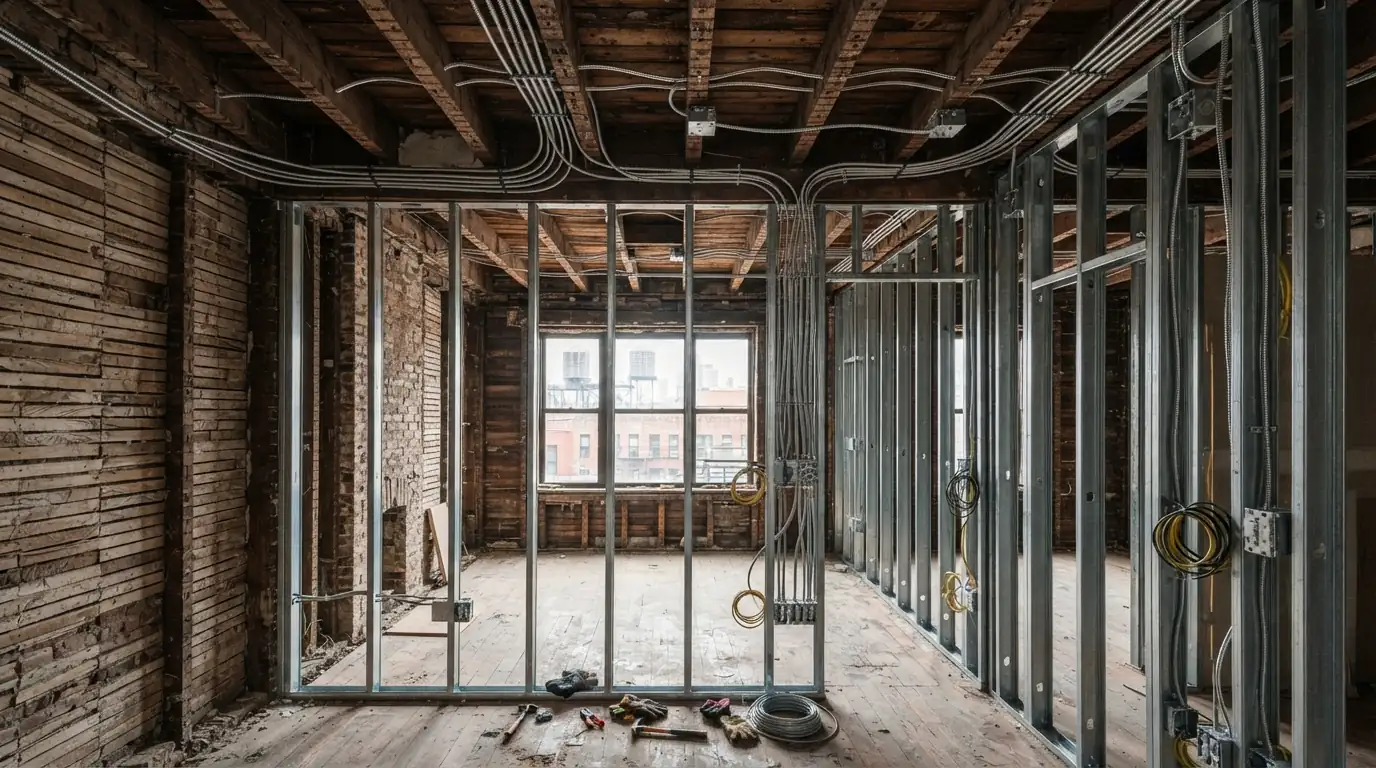
A full rewire replaces every branch circuit, usually during a renovation when walls and ceilings are already open. It is the cleanest result: one wiring system, grounded throughout, with circuits laid out around how the apartment is used now. In a co-op or condo it is filed under the alteration, scheduled around the building's working hours, and often paired with a new panel and an updated feed from the riser, so the apartment ends up with capacity to match its new layout.
Planning range (national sources, 2026): $4 to $15 per square foot; an 1,800 sq ft home $7,200 to $27,000. Coastal-market pricing and building access change the figure; this is a planning band, never a quote.
Partial Rewire Room by Room
Many owners rewire in stages: the kitchen and bathroom during a remodel, bedrooms later. We plan the stages so each one leaves safe, finished circuits rather than half-replaced ones, and so later stages connect cleanly to the panel. A partial rewire is honest when the rest of the wiring is sound. When the survey shows the old wiring failing everywhere, we say so before the first stage starts, because staging then only delays the inevitable and costs more overall.
Cloth-Covered and Deteriorated BX Replacement
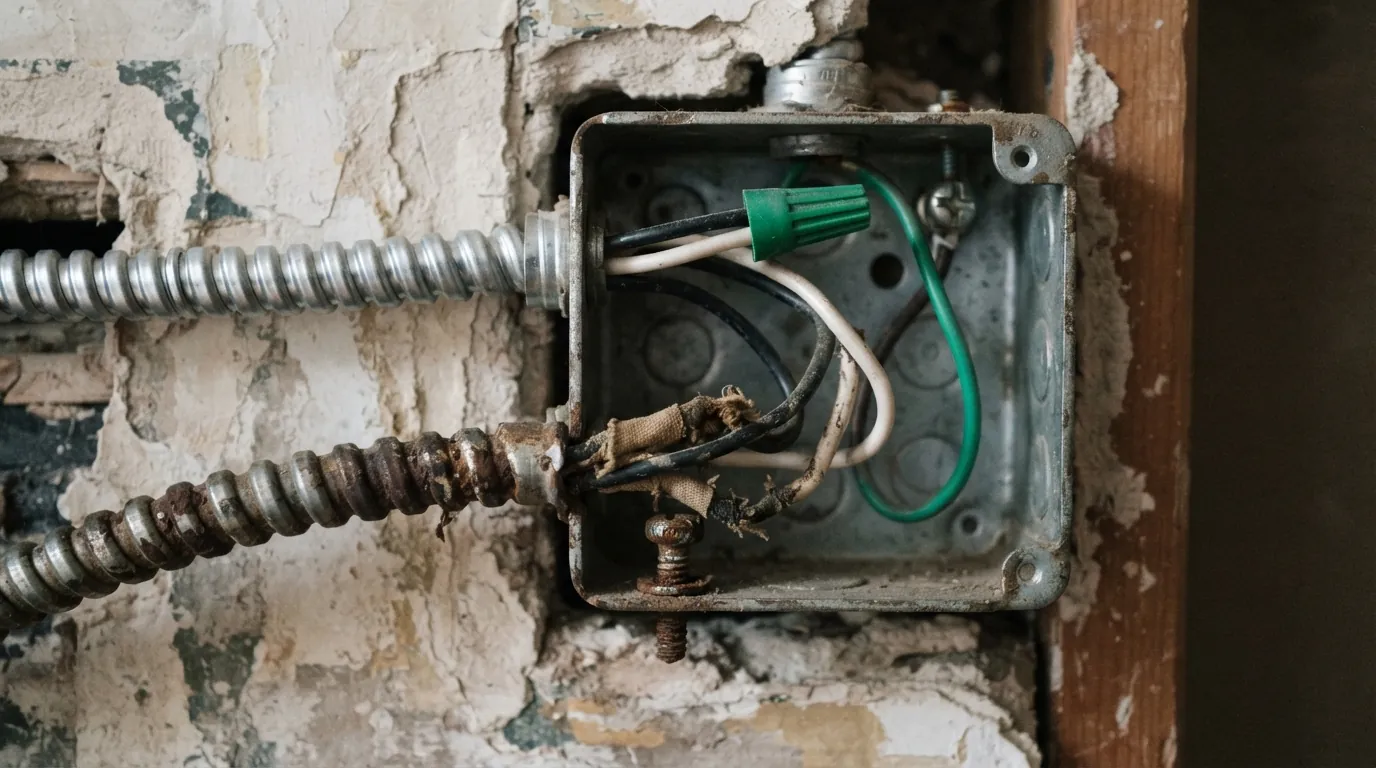
Early BX armored cable often had no bonding strip, so the armor itself is not a dependable ground, and the cloth-and-rubber insulation inside dries out and cracks. Moving these cables to replace a device can expose bare copper. We replace them with modern armored or metal-clad cable that carries a proper ground, and we check the boxes and connections at each end, since that is where old runs usually fail first, often at a splice someone made decades ago.
What a rewire includes
- Survey and map of every existing circuit
- New circuit layout for kitchens, baths and bedrooms
- Permit filed before any wall is opened
- New cable run room by room through small openings
- Grounded devices, GFCI and AFCI where required
- Old runs disconnected and documented
- Inspection, patching and a labeled directory
How the city and upstate differ on method
Inside New York City, rewiring goes in conduit or armored cable, because the city code effectively rules out plastic-sheathed cable in most construction; that is why a Manhattan rewire takes more labor per circuit. In Warwick and the rest of Orange County, the state follows the 2023 NEC as of December 31, 2025, and ordinary sheathed cable is allowed. Same trade, same safety goal, two different methods and two different price bands.
Living in the home while it is rewired
Most rewires happen with people living in the home. We work one area at a time, restore power to finished rooms each evening, and keep the kitchen and a bathroom running throughout. The overall length depends on the circuit count, the wall finish and the building's hours, so we give you a room-by-room schedule after the survey rather than a guess beforehand.
How a rewire runs
Survey
Every circuit tested and mapped.
Plan and file
New layout drawn, permit filed.
Rewire by area
New cable, boxes and devices, room by room.
Inspect
Rough inspection before openings close.
Patch and label
Openings closed, directory matched to the home.
Rewiring questions
Brittle insulation, frequent failures and ungrounded circuits are the usual signs; a survey confirms it.
Usually yes; we sequence rooms and restore power each evening.
Armored cable common in older New York buildings; early versions lack a reliable ground.
Yes, it is filed and inspected.
Yes, as part of the alteration agreement.
We close our openings; painting is separate.
Often, when it is old or too small for the new layout.
Related work in the same system
TV Mounting Power & Wiring
DetailsData, Cable & Intercom Wiring
DetailsSecurity Camera Wiring
DetailsSwitch & Dimmer Installation
DetailsGuides: Signs your wiring needs replacing and Rewiring a prewar apartment
Plan the rewire before the next repair
Call any hour to book the survey. You get the circuit map and a room-by-room plan.