Switch and Dimmer Installation in New York
Most dimmer complaints are compatibility problems. LEDs need dimmers made for them, three-way circuits need the right devices, and timers and sensors need the wiring they expect. We match the device to the load and the box.
- Calls answered 24/7
- LED-rated dimmers
- Three-way and four-way circuits
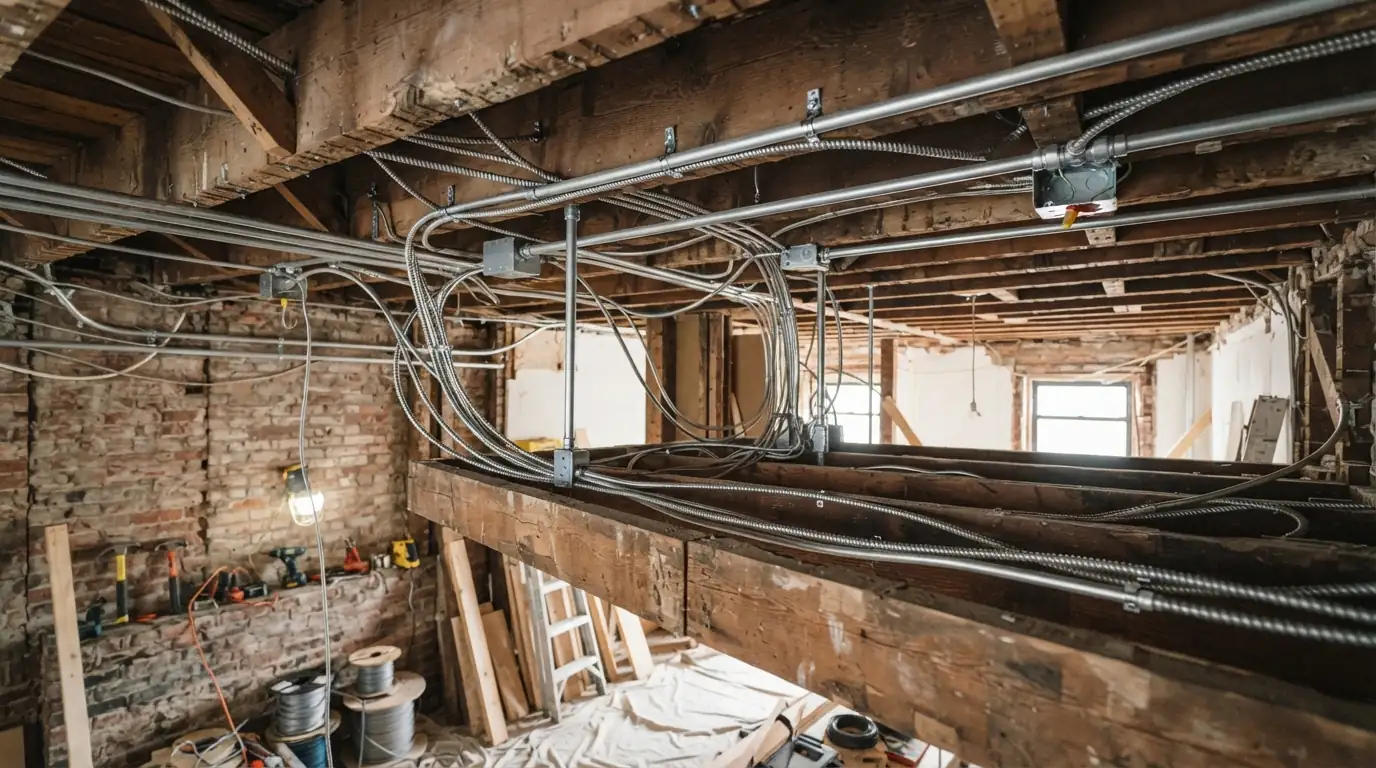
- Load and fixture type checked
- Switch or dimmer matched and installed
- Every location and dimming level tested
Switches and dimmers we install include Lutron and Leviton LED-rated models, on Square D and Siemens panels.
Switch and dimmer installation in New York usually means replacing old dimmers with models rated for LED loads, fixing three-way and four-way circuits so lights work from every switch, and adding timers or occupancy switches for fans and closets. LED flicker and buzzing almost always come from a dimmer not matched to the fixture.
Rather ask a person?(929) 755-0293What switch and dimmer work involves
Old dimmers were designed for incandescent bulbs drawing a lot of power. LED fixtures draw far less, and a dimmer that expects a large load can flicker, buzz or fail to dim smoothly. The fix is a dimmer listed for the fixture type and load, set up with its trim adjusted so the low end is stable.
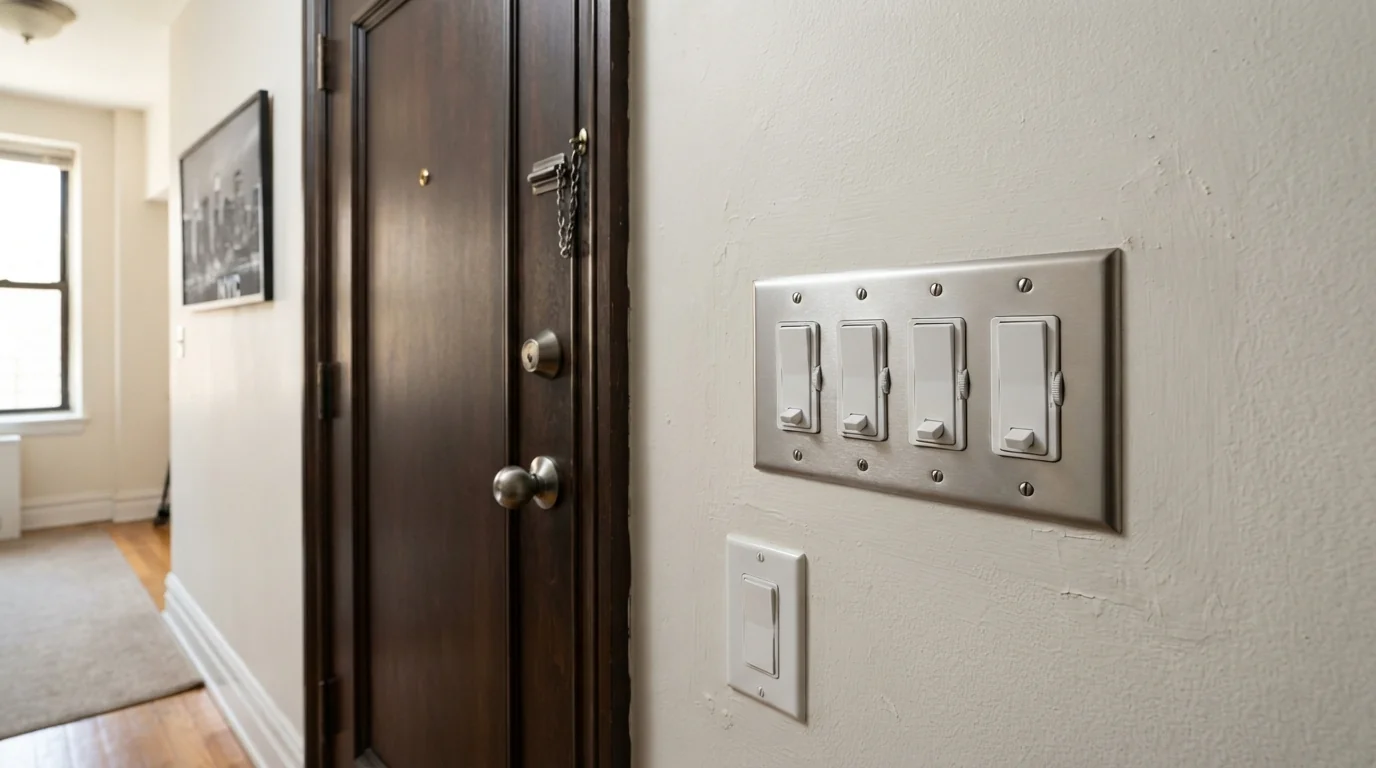
Multi-location switching is the other common call: lights that work from one end of a hallway but not the other, often after someone replaced a switch without matching the wiring. Timers for bath fans and occupancy switches for closets and laundry rooms are small upgrades that save hours of lights left on. Connected devices are covered under smart home wiring.
Updated September 2026
What sets the cost of switch and dimmer work
Device type and box condition decide most of it.
- Device typeLED dimmers, timers and sensors cost more than plain switches.
- Multi-location circuitsThree-way and four-way wiring takes longer.
- Missing neutralPulling one in adds time.
- Box conditionShallow or damaged boxes may need replacing.
- Number of devicesSeveral in one visit cost less each.
Swapping a switch yourself versus calling us
| Task | Doing it yourself | With us |
|---|---|---|
| Single-pole switch swap | Manageable with the breaker off | Done with connections checked |
| Choosing an LED dimmer | Easy to buy the wrong type | Matched to the fixtures and load |
| Three-way circuits | Commonly miswired | Common and travelers identified |
| Devices needing a neutral | Box may not have one | Checked before buying |
A like-for-like single-pole switch swap is a reasonable homeowner job. Dimmers on mixed LEDs and multi-location circuits are where most return calls come from.
Three switch and dimmer jobs
Dimmers for LED Fixtures
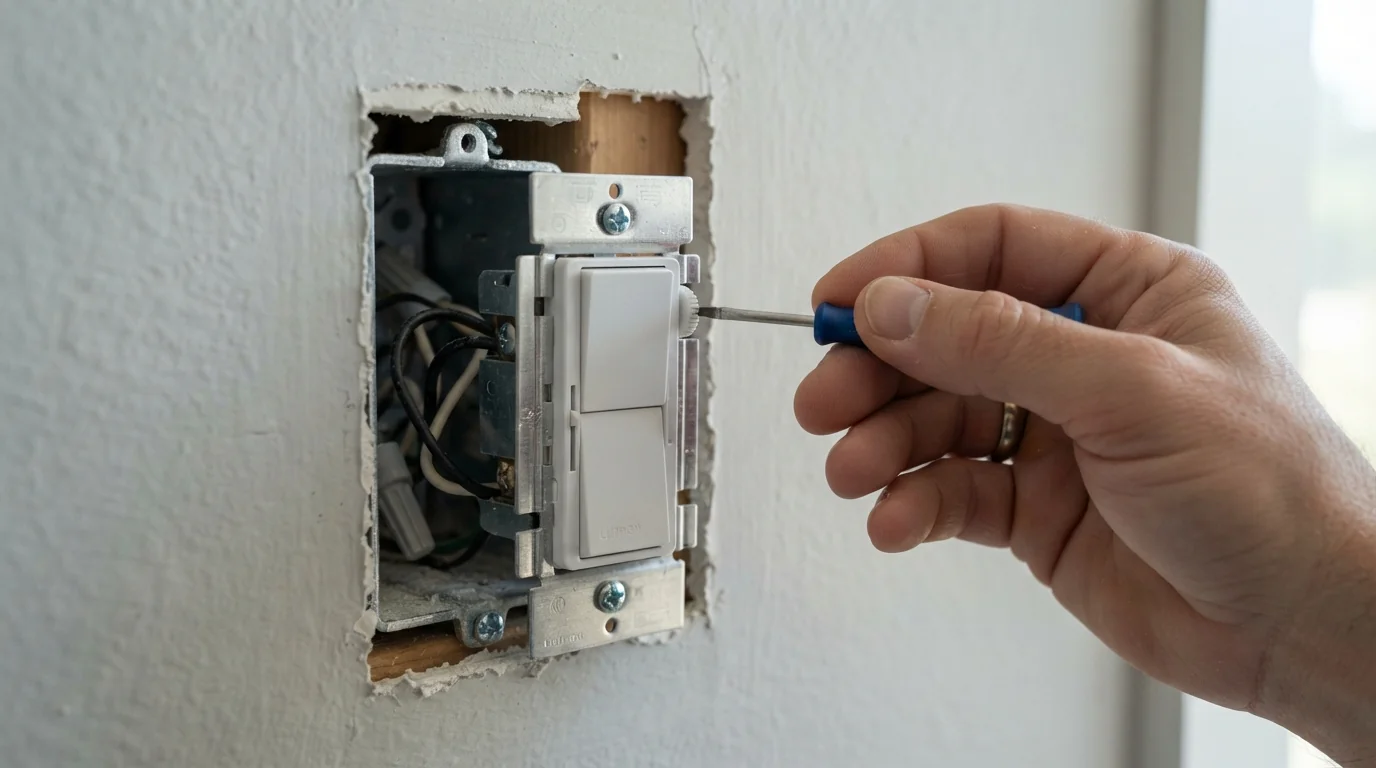
LED fixtures and lamps work with dimmers that list them as compatible, often marked for LED or with a low-end trim adjustment. We check the fixtures on each circuit, total their load, and choose a dimmer that suits both. After installation we set the low-end trim so the lights dim smoothly without flicker or dropping out. Mixing different LED fixtures on one dimmer is where trouble starts, so we tell you if a circuit should be split onto separate dimmers.
Planning range (national sources, 2026): $75 to $150 per hour; service call fees $79 to $179. Coastal-market pricing and building access change the figure; this is a planning band, never a quote.
Three-Way and Four-Way Switches
Three-way switches control a light from two places, and four-way switches add more locations between them. When a light only works from one switch, or only when the other is in a certain position, the travelers are usually miswired after a past replacement. We identify the common and traveler conductors at each box, rewire them correctly, and use matching devices. Dimming a three-way circuit needs a dimmer designed for multi-location control, with a matching companion at the other end.
Timer and Occupancy Switches
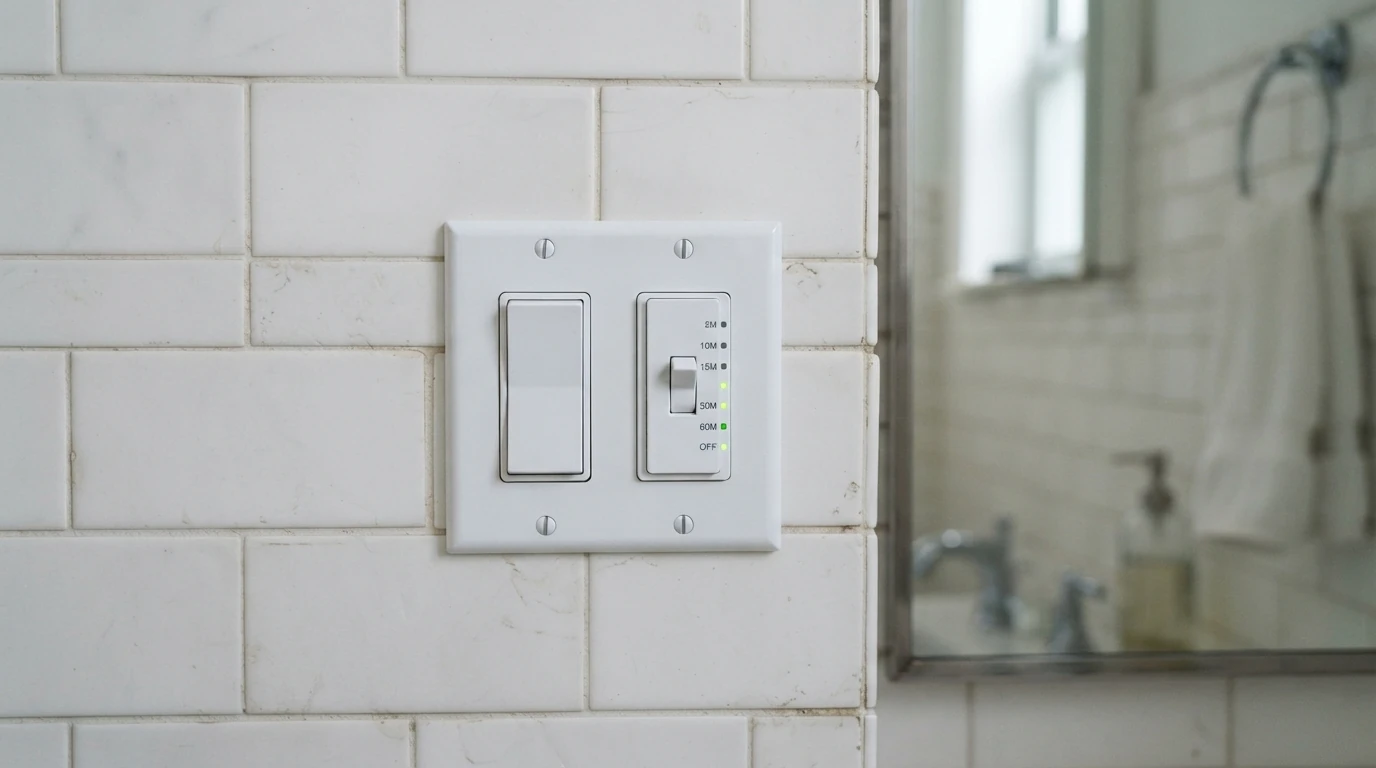
Bath fans run best on a timer that keeps them going after you leave, and closets, laundry rooms and garages suit occupancy switches that turn lights on and off automatically. Many of these devices need a neutral wire in the box to work reliably. We check the box before recommending a model, and if there is no neutral, choose a device designed for that or pull one in. The result is lights and fans that turn off without anyone remembering.
Old switch loops, new lamps
In New York's older apartments and houses, the switch loop often carries only two wires, the lamps on the circuit have been changed to LED one at a time, and the dimmer on the wall was bought for incandescent bulbs. That combination explains most flicker calls. Changing the dimmer to one rated for the new lamps, and confirming what the box actually contains, usually solves it in a single visit.
How switch and dimmer work runs
Check the load
Fixtures and lamps on each circuit.
Open the box
Wires, neutral and box depth confirmed.
Choose the device
Rated for the load and the location.
Install and wire
Multi-location circuits corrected.
Test every location
Full dimming range and every switch checked.
Signs the switch or dimmer is wrong
- LEDs flicker or buzz when dimmed
Dimmer not rated for the load.
- Lights shut off at the low end
Low-end trim needs adjusting.
- Light works from only one switch
Three-way wiring or device mismatch.
- Dimmer hot to the touch
Overloaded or failing. Replace it.
- Switch crackles when used
Worn contacts inside.
- Bath fan left running all day
A timer switch would fix it.
Switch and dimmer questions
Usually a dimmer not rated for LED loads.
No, use one that lists LED compatibility.
The three-way wiring or devices are mismatched.
Many do; we check before choosing.
Only the light; fan speed needs a fan control.
Yes, by extending the switch loop.
Slightly warm is normal; hot is not.
Related work in the same system
Get the switches and dimmers right
Call any hour. Tell us what flickers and from which switch.