Dedicated Appliance Circuits in New York
When the microwave and the toaster cannot run together, the fix is a new circuit, not a bigger breaker. We give the appliance its own line from the panel, sized to what it draws.
- Calls answered 24/7
- Sized to the nameplate
- Never an oversized breaker
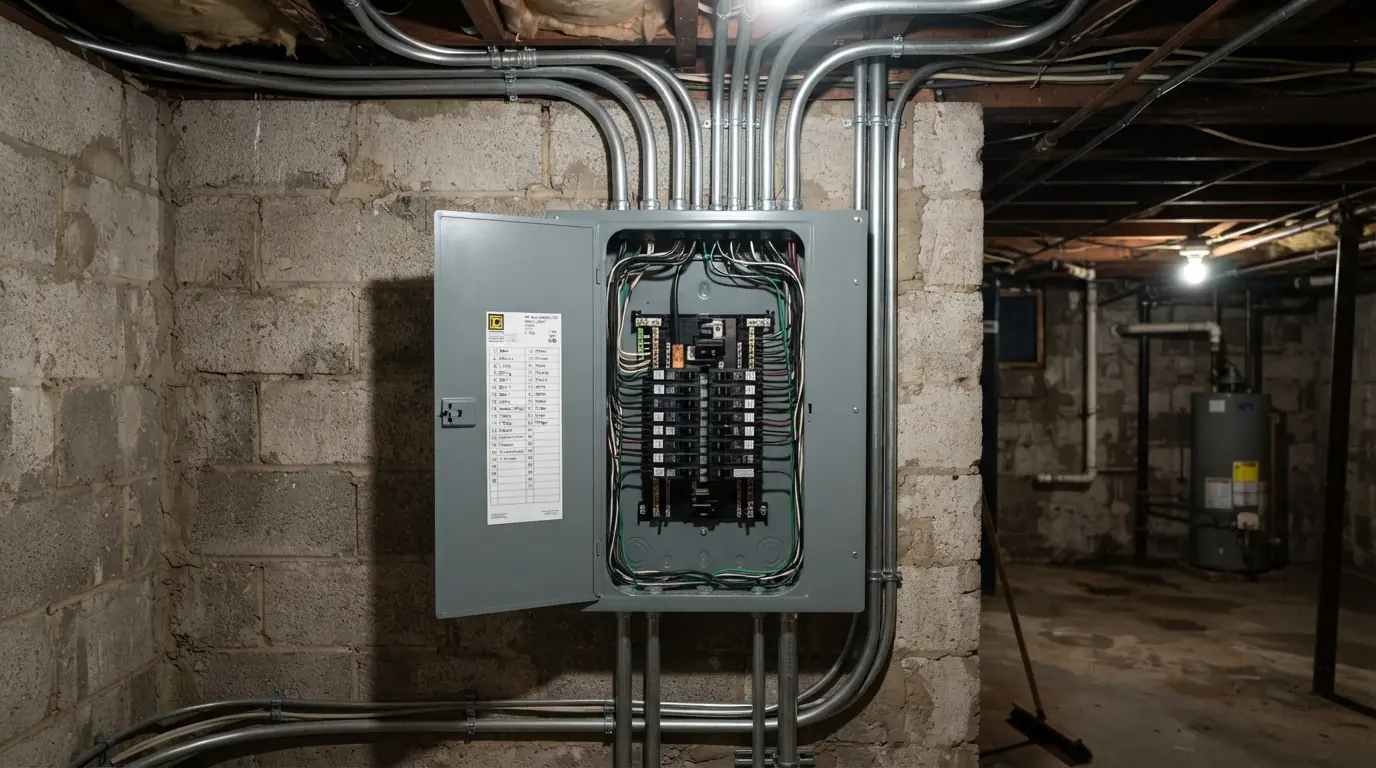
- Appliance nameplate and panel checked
- New circuit run and labeled
- Load tested before we leave
A dedicated circuit in a New York apartment is a single breaker and wire run that feeds one appliance, sized to its nameplate: commonly 20 amps at 120 volts for a microwave or window AC, and 30 to 50 amps at 240 volts for a dryer or range. It stops nuisance tripping without the fire risk of an oversized breaker.
Rather ask a person?(929) 755-0293What adding a circuit involves
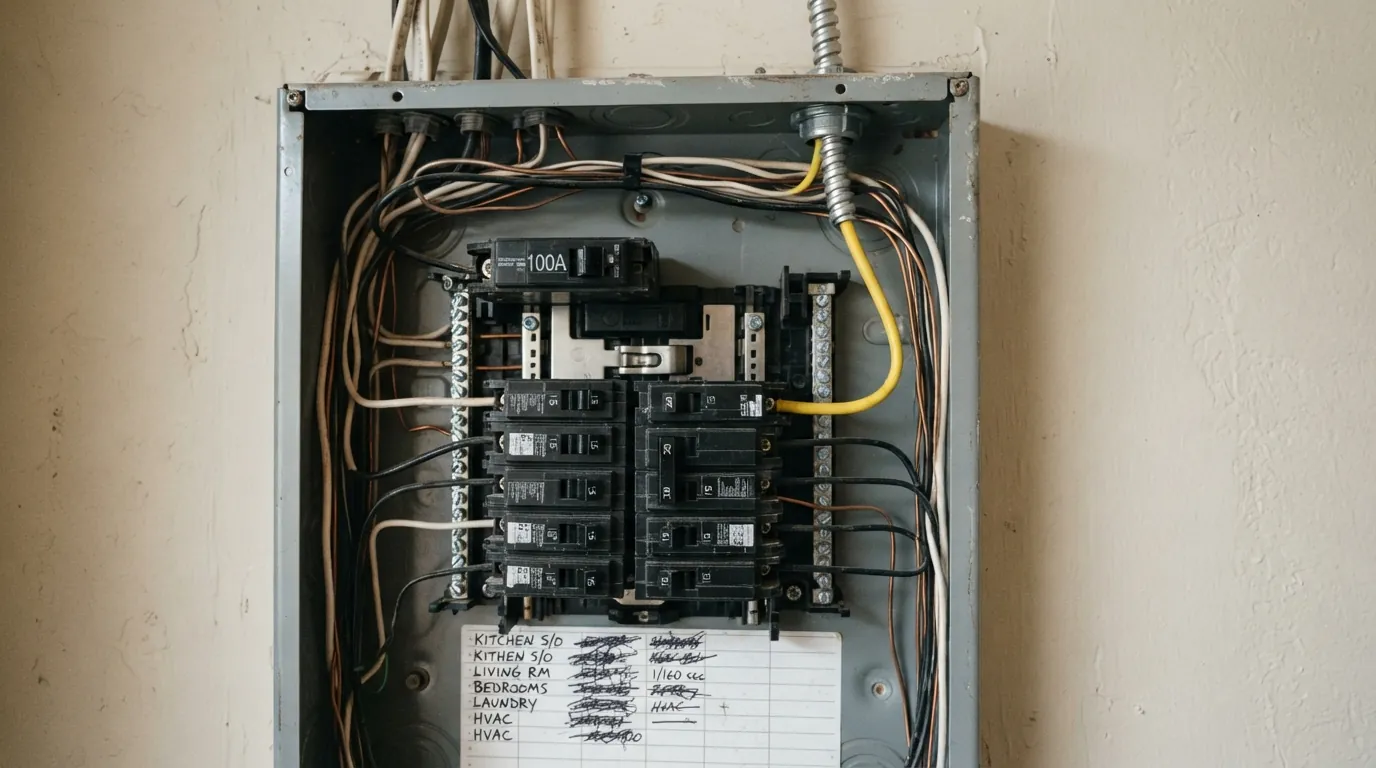
Old apartments were wired when a kitchen held a refrigerator and a toaster. Today one countertop runs a microwave, a kettle and an air fryer, often on the same 15 amp circuit as the dining room lights. Each appliance may be fine alone; together they trip the breaker.
Swapping in a larger breaker makes the tripping stop and lets the wire overheat. The real fix is a new run from the panel to the appliance, with wire and breaker matched to each other. We check the nameplate, confirm the panel has space and capacity, run the circuit and label it. If the panel is full, a subpanel or tandem breakers may be the answer.
Updated September 2026
What sets the cost of a dedicated circuit
Distance from the panel is usually the deciding factor.
- Distance and routeA short run through an open basement is quick; fishing through finished walls is not.
- Voltage and size240 volt and larger circuits need heavier wire and breakers.
- Panel spaceA full panel needs tandems or a subpanel first.
- Receptacle or hardwireSome appliances need a specific outlet, others a direct connection.
- PermitCity circuits are filed and inspected.
Adding a circuit yourself versus calling us
| Task | Doing it yourself | With us |
|---|---|---|
| Bigger breaker on old wire | Stops tripping, lets the wire overheat | Wire and breaker matched |
| Working in the panel | Live bus bars even with the main off in some panels | Done safely, with the right breaker type |
| City permit | Required for new circuits | Filed and inspected |
| Receptacle type | Easy to mismatch to the plug | Matched to the appliance |
Plugging appliances into different existing outlets is a fine short-term fix. Anything inside the panel belongs to an electrician.
The circuits we add most
Range, Oven and Cooktop Circuits
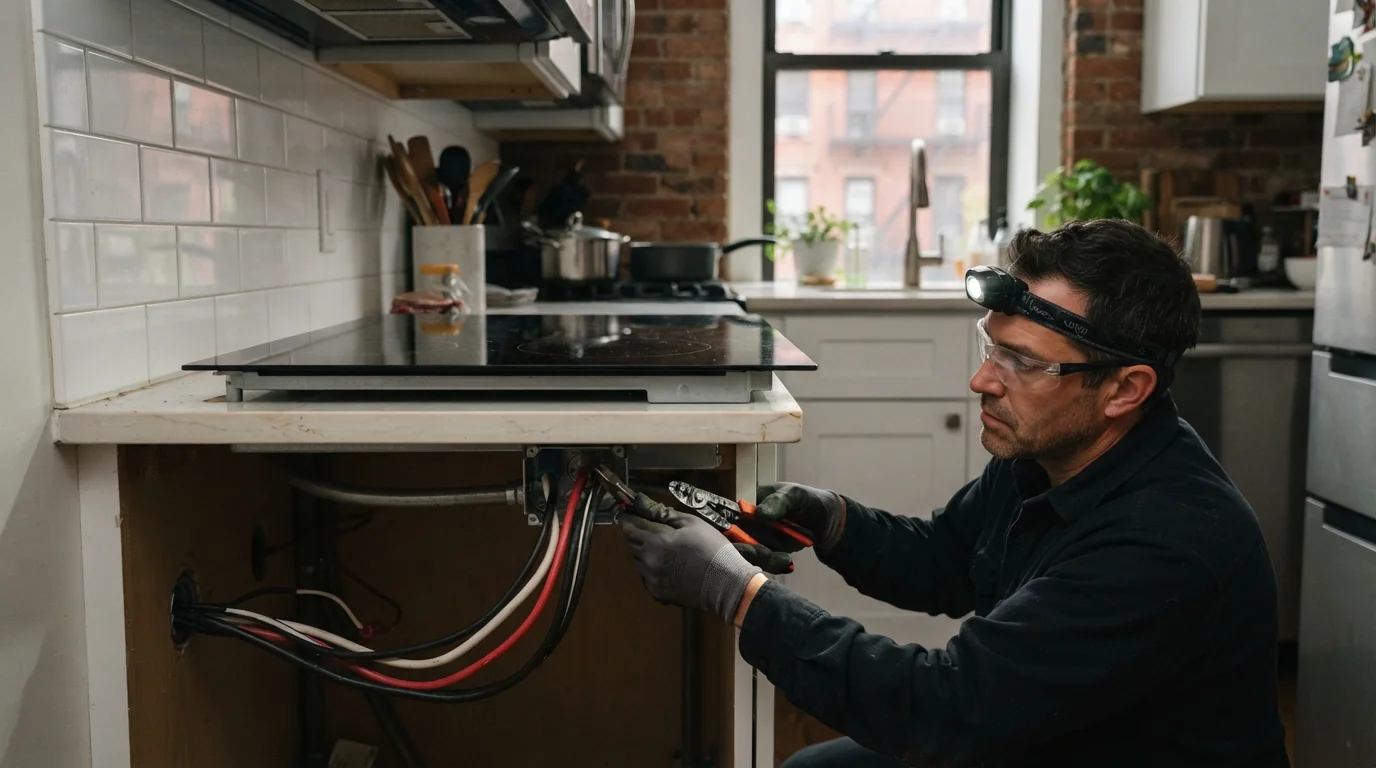
Electric ranges, wall ovens and induction cooktops run on 240 volts and need a circuit sized to the nameplate, commonly 40 or 50 amps. Swapping gas for induction is a frequent reason for this call. We check the panel for the capacity and spaces a large double-pole breaker needs, run the heavier wire, and install the right receptacle or a hardwired connection as the appliance requires. Old two-prong range outlets are replaced rather than adapted, because the new appliance expects a separate ground.
Dryer and Washer Circuits
An electric dryer needs its own 240 volt circuit, typically 30 amps, with a four-wire receptacle on new installations. Washers need a 20 amp circuit of their own. In apartments, laundry is often added where none was planned, so the run from the panel can be long. Stacked units and heat pump dryers each have their own requirements, so we read the installation manual before choosing the wire, and we check that the vent and water lines leave room for the receptacle.
Window and Through-Wall AC Circuits
A window unit that trips the breaker every July afternoon is usually sharing its circuit with half the room. Larger window and through-wall units, especially 230 volt models, need a dedicated circuit with the right receptacle. We match the circuit to the unit's plate, place the outlet where the cord actually reaches, and make sure the receptacle type matches the plug, so nobody is tempted to use an adapter or a lightweight extension cord on a unit that runs all afternoon.
Planning range (national sources, 2026): $75 to $150 per hour; service call fees $79 to $179. Coastal-market pricing and building access change the figure; this is a planning band, never a quote.
Microwave and Kitchen Small-Appliance Circuits
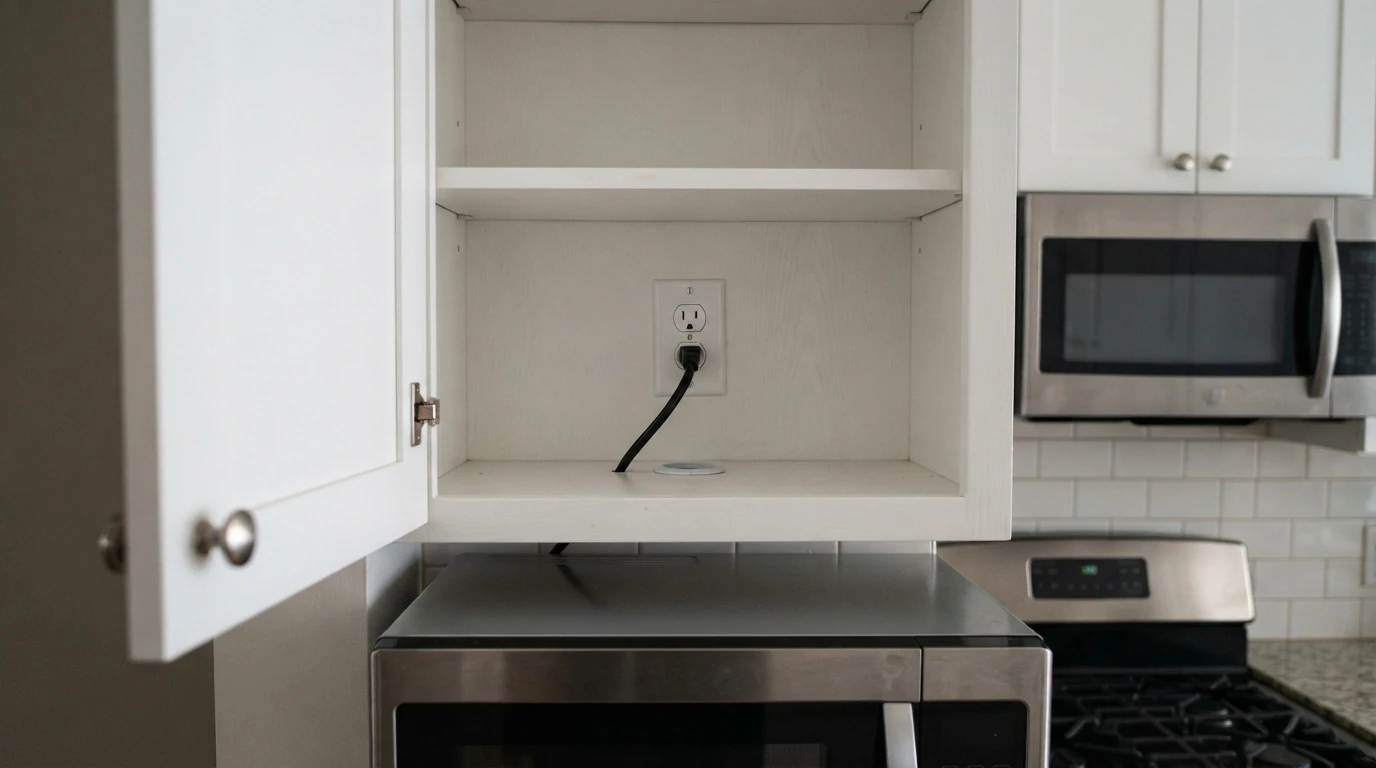
Built-in and over-the-range microwaves need their own circuit, and kitchen counters need at least two 20 amp small-appliance circuits. In a prewar kitchen we often find one circuit doing the work of three. Adding a dedicated microwave line and splitting the countertop outlets across two separate circuits usually ends the tripping for good, and the new counter outlets get GFCI protection. The disposal and dishwasher circuits are checked while we are already inside the sink cabinet.
Adding circuits in city apartments
Every new circuit in New York City is permitted work, even when it is only one breaker and one run to a kitchen outlet. In Manhattan apartments the practical limits are the panel and the path: older panels with no free spaces, feeders sized for a smaller era, and walls or ceilings the building would rather we did not open. We check capacity and route first, so the circuit is filed as work we can actually complete.
How adding a circuit runs
Read the nameplate
Voltage and amperage the appliance needs.
Check the panel
Space, capacity and breaker type confirmed.
Plan the route
Shortest practical path, openings kept small.
Run and connect
Wire pulled, breaker and receptacle installed.
Test and label
Load tested and the directory updated.
Signs an appliance needs its own circuit
- Breaker trips when two appliances run
The circuit is sharing more load than it can carry.
- Lights dim when the AC starts
A heavy motor on a shared circuit.
- Warm outlet or plug
A connection working too hard. Stop using it.
- Extension cords to reach an outlet
The appliance is where no suitable outlet exists.
- A new appliance with a 240 volt plug
It needs a circuit the kitchen may not have.
- Someone installed a bigger breaker
The wire may now be overloaded. Have it checked.
Dedicated circuit questions
The breaker protects the wire; oversizing it lets the wire overheat.
Ranges, dryers, dishwashers, microwaves, disposals and large AC units usually do.
Yes, new circuits are filed and inspected.
Often, with tandem breakers or a subpanel.
Yes, if the panel has the capacity.
Sometimes; we choose the route that opens the fewest.
Simple runs often can; longer routes take longer.
Related work in the same system
Give the appliance its own circuit
Call any hour with the appliance model and we will tell you what circuit it needs.