Subpanel Installation in New York
A subpanel adds room for circuits, not more power from the utility. We check that the service can carry the new loads, then install a subpanel where the circuits are needed and feed it properly from the main.
- Calls answered 24/7
- Service capacity checked first
- Spare spaces for later
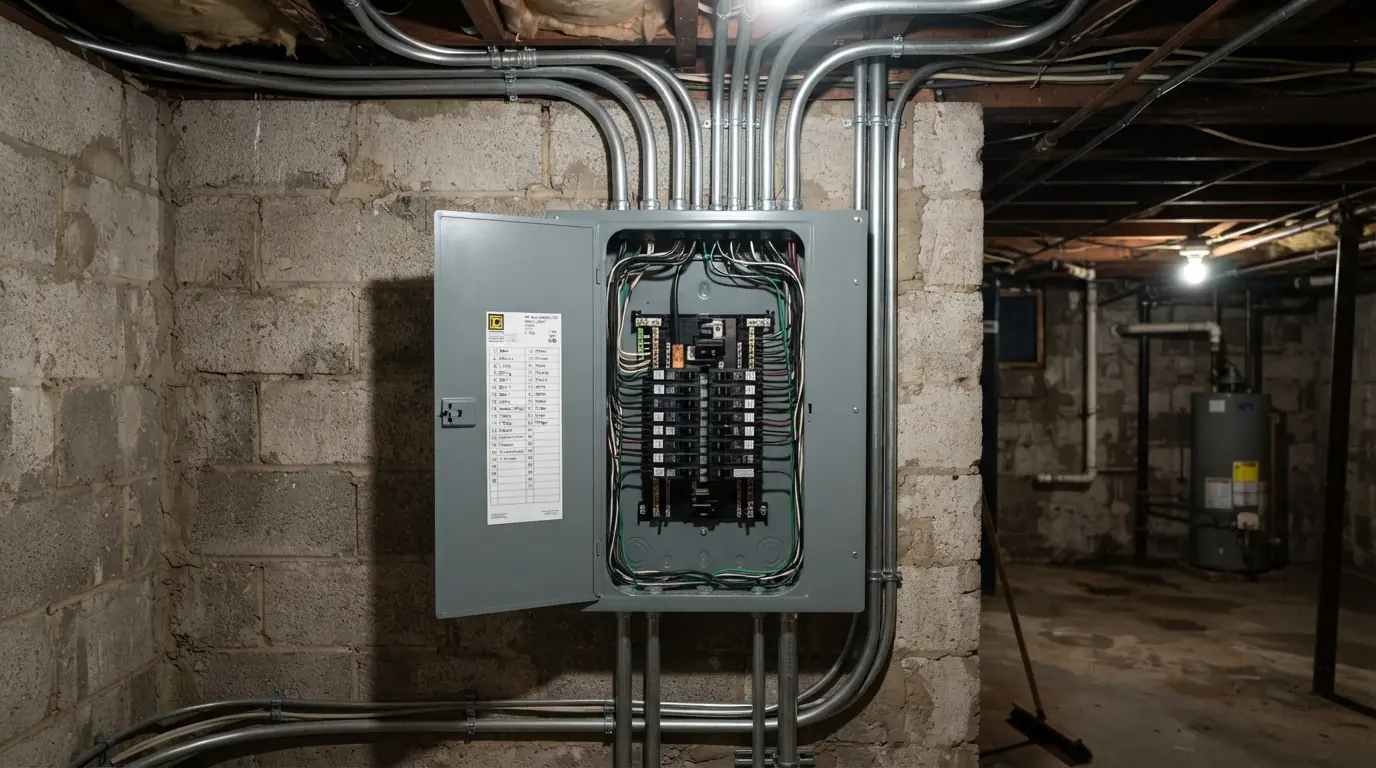
- Main service capacity checked
- Subpanel sized and located
- Feeder, grounding and inspection
Subpanels we install include Square D, Siemens and Eaton, matched to the main panel where possible.
A subpanel in a New York home is a second breaker panel fed from the main panel, used when the main has no free spaces or when circuits are needed far from it, such as in a garage, basement or new kitchen. National 2026 guides put a 100 amp subpanel at about $500 to $1,500; it adds spaces, not capacity from the utility.
Rather ask a person?(929) 755-0293What a subpanel installation involves
The most common misunderstanding about subpanels is that they add power. They do not: everything a subpanel feeds still comes through the main service. What they add is space for breakers and a shorter path to where circuits are needed, which saves long individual runs back to the main.
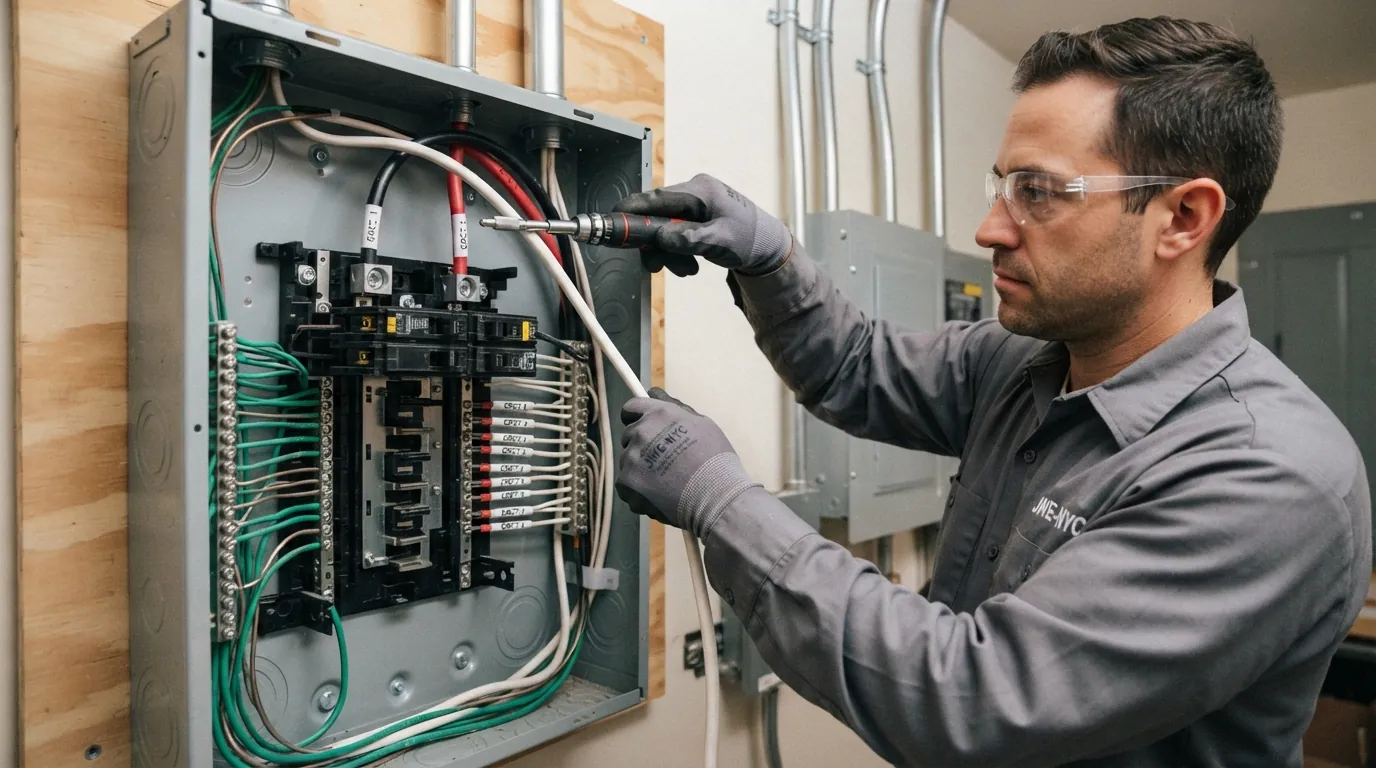
So we start with the load calculation. If the service can carry the new circuits, we size the feeder and subpanel, place it where it can be reached and meets clearance rules, and separate neutrals and grounds as the code requires. If the service cannot, a panel upgrade comes first.
Updated September 2026
What sets the cost of a subpanel
Feeder length and what the subpanel serves decide most of it.
- Feeder lengthLonger runs from the main need more copper and conduit.
- Subpanel sizeMore spaces and a larger feeder cost more.
- Detached buildingTrenching and a grounding electrode add work.
- Main panel spaceThe main needs room for the feeder breaker.
- Circuits moved or addedEach circuit landed in the subpanel adds time.
Subpanel or panel upgrade
| Factor | Subpanel | Panel upgrade |
|---|---|---|
| Adds breaker spaces | Yes | Yes |
| Adds utility capacity | No | Yes |
| Best for | Enough service, not enough room | Not enough service |
| Utility involvement | No | Usually yes |
If the load calculation shows the service is already near its limit, a subpanel only relocates the problem. Then the upgrade comes first.
Installing it yourself versus calling us
| Task | Doing it yourself | With us |
|---|---|---|
| Bonding neutral and ground | Commonly tied together in the subpanel by mistake | Kept separate as required |
| Feeder sizing | Easy to undersize | Sized to the load and length |
| Load calculation | Usually skipped | Done before installation |
| Permit and inspection | Required | Filed and inspected |
Deciding what the subpanel should serve is the owner's call. Everything inside both panels belongs to an electrician.
Three common subpanels
Garage or Basement Subpanel
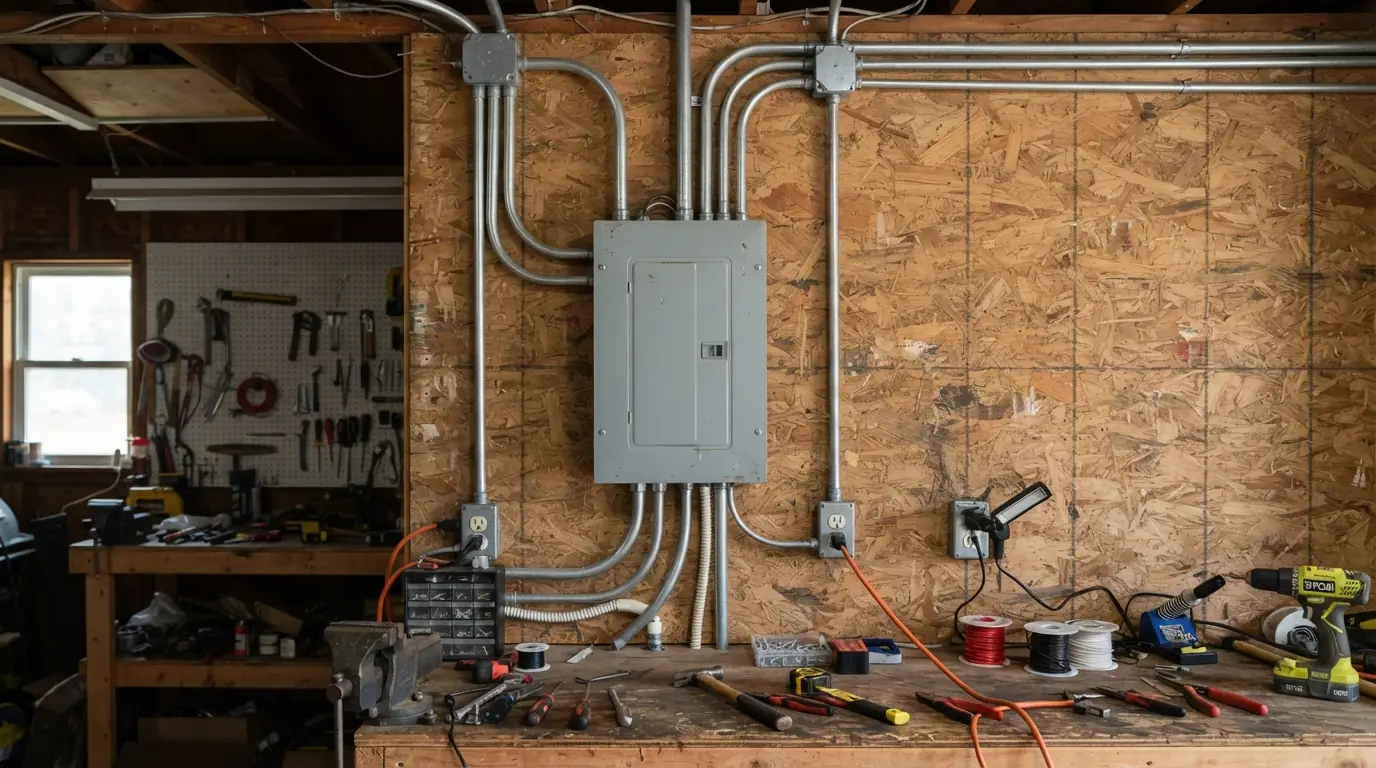
A garage or basement subpanel puts circuits for tools, a freezer, laundry or a charger close to where they are used. We feed it from the main with a correctly sized feeder, keep its neutral bar isolated from ground, and place it with the required clear space in front. Leaving spare spaces now makes the next circuit an easy addition. Where a garage is detached from the house, the job becomes a building feed with its own grounding electrode and disconnect.
Planning range (national sources, 2026): $500 to $1,500. Coastal-market pricing and building access change the figure; this is a planning band, never a quote.
Subpanel for a Kitchen Renovation
A renovated kitchen can easily add six or more new circuits at once: countertop circuits, dishwasher, disposal, microwave, range and lighting. When the main panel has no room, a kitchen subpanel nearby shortens every run and keeps the new circuits together. We confirm the service can carry the new kitchen load first, then install the subpanel during rough-in with the general contractor so every new circuit lands in it before the walls close, and the directory matches the new kitchen layout.
Detached Building Feed
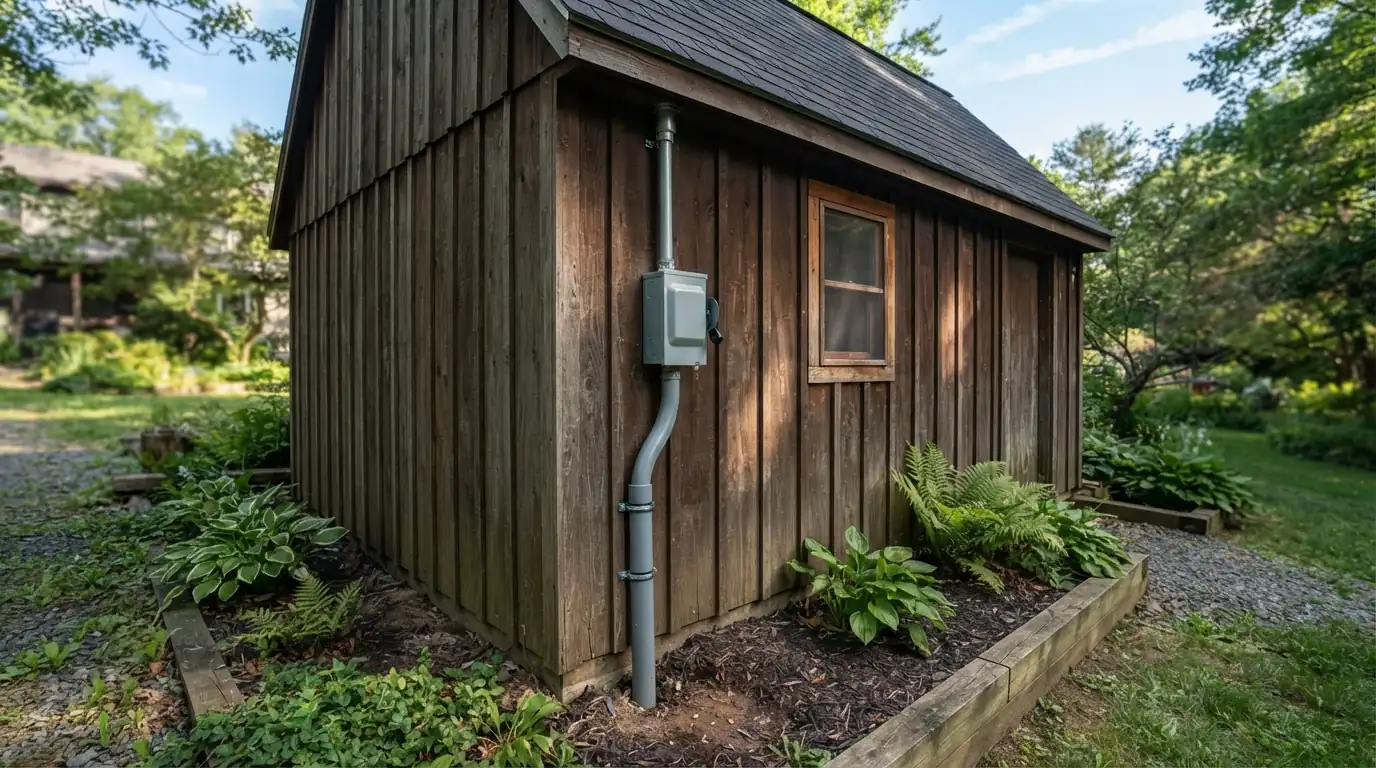
A detached garage, studio or workshop fed from the house needs its own subpanel with a main disconnect and a grounding electrode at that building. The feeder runs underground in conduit or overhead where the span allows. We size the feeder for what the building will need, including any future charger or heater, because upsizing a buried feeder later means digging it up again. The subpanel and the feeder breaker in the main panel are labeled so anyone can find one from the other.
More 240 volt loads, same service
A Level 2 charger runs at 240 volts, about the same as a clothes dryer, and more than 29,000 electric vehicles were registered in New York City and Westchester by early 2022. Chargers, heat pumps and induction ranges are why so many main panels run out of spaces. A subpanel solves the space problem, but the load calculation still decides whether the service itself can carry what is being added.
How a subpanel installation runs
Load calculation
Service capacity checked against new loads.
Choose location and size
Near the circuits, with clearance.
File
Permit filed for the work.
Install
Feeder, subpanel and circuits connected.
Inspect and label
Inspection passed, both panels labeled.
Subpanel questions
No, it adds breaker spaces; power still comes through the main service.
When the main is full or circuits are needed far from it.
Yes, if the service can carry the load.
Yes, when fed by a feeder to a subpanel.
Yes, it is filed and inspected.
Sized to the planned loads with spare spaces.
Yes, ideally at rough-in.
Related work in the same system
Electrical Service Upgrade
DetailsElectrical Panel Upgrade
DetailsFuse Box to Breaker Conversion
DetailsDedicated Circuit Installation
DetailsGuides: Panel upgrade costs in New York and EV charger installation cost and Outages and houses on wells
Add room for the new circuits
Call any hour. We check the service first and size the subpanel from there.