Solar Electrical Work and Interconnection in New York
Solar panels on the roof are only half a solar job. The other half is the electrical side: a panel that can accept the array's power, the disconnects the code requires, and the interconnection the utility has to approve.
- Calls answered 24/7
- Panel checked for solar
- Utility interconnection paperwork
- Panel rating checked for the array
- Disconnects and interconnection wiring
- Coordinated with the solar installer
Solar electrical work in New York covers preparing the main panel to accept the array's output, installing the required disconnects and rapid shutdown equipment, and wiring the interconnection the utility approves before granting permission to operate. When the existing panel's busbar cannot accept the solar breaker, a supply-side connection or a panel upgrade is the usual fix.
Rather ask a person?(929) 755-0293What the electrical side of solar involves
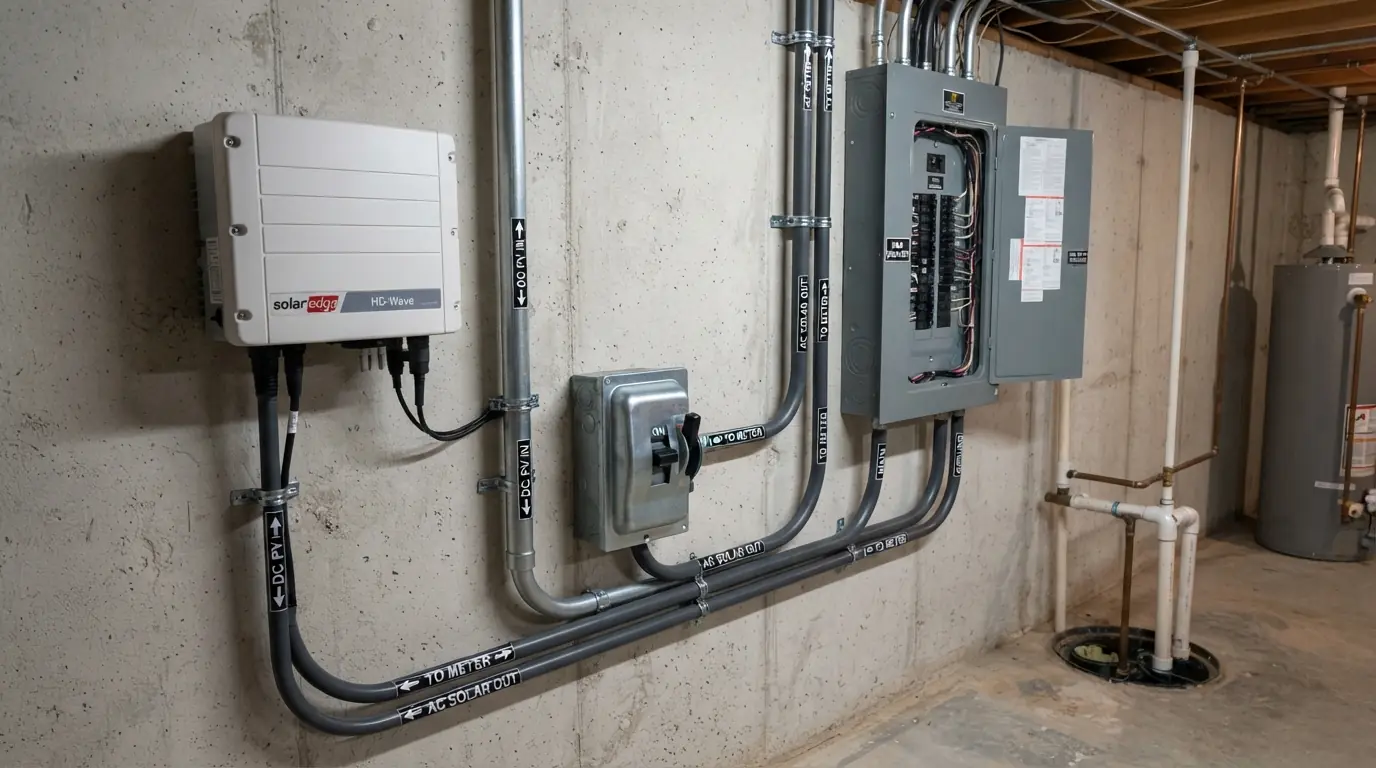
The solar installer designs the array and mounts the panels. The electrical work connects it to the house: where the solar breaker lands in the panel, whether the panel's busbar can accept it, the AC disconnect, the rapid shutdown system that de-energizes the roof for firefighters, and the utility meter work.
The most common issue is the panel. Code limits how much solar a panel can take based on its busbar and main breaker ratings, and many older 100 amp panels cannot take a typical array. The answer is a supply-side connection, a derated main breaker, or a panel upgrade, and we work out which before the array is ordered.
Updated September 2026
What sets the cost of solar electrical work
The existing panel decides most of it.
- Panel capacity for solarA panel that can accept the breaker keeps it simple.
- Supply-side connectionTapping ahead of the main adds equipment and utility coordination.
- Panel upgradeReplacing the panel costs more but solves capacity too.
- Distance and routingLong runs from roof to panel add conduit.
- Battery addedStorage adds its own equipment and filings.
How the array connects to the house
| Factor | Back-fed breaker | Supply-side connection | Panel upgrade |
|---|---|---|---|
| When it works | Array fits the busbar rule | Panel cannot take the breaker | Panel old, full or too small |
| Work involved | Breaker at the busbar's far end | Tap ahead of the main disconnect | New panel and often a new service |
| Utility involvement | Standard interconnection | Often more | Service change plus interconnection |
| Adds capacity for future loads | No | No | Yes |
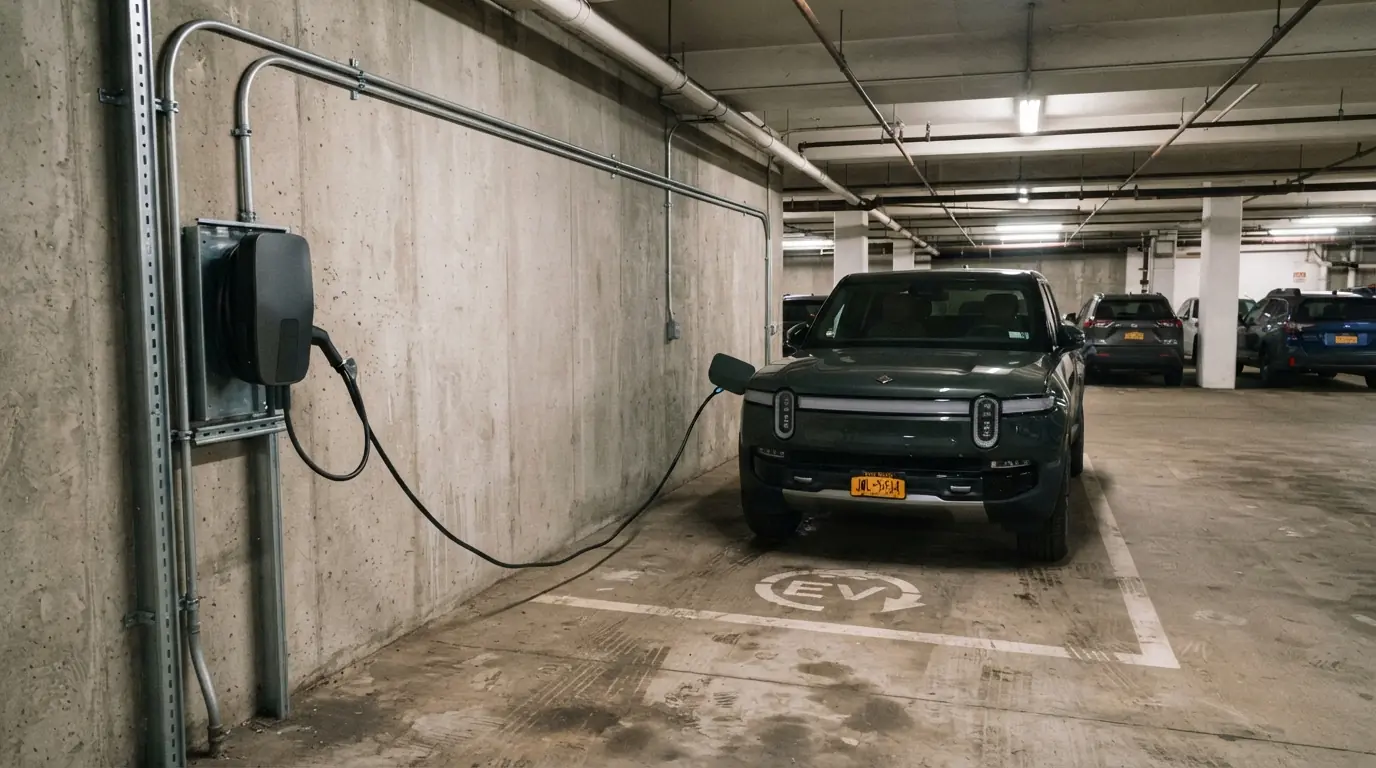
If heat pumps or an EV charger are also planned, the panel upgrade often makes sense on its own, and it removes the solar limit at the same time.
Three parts of solar electrical work
Main Panel Prep for Solar
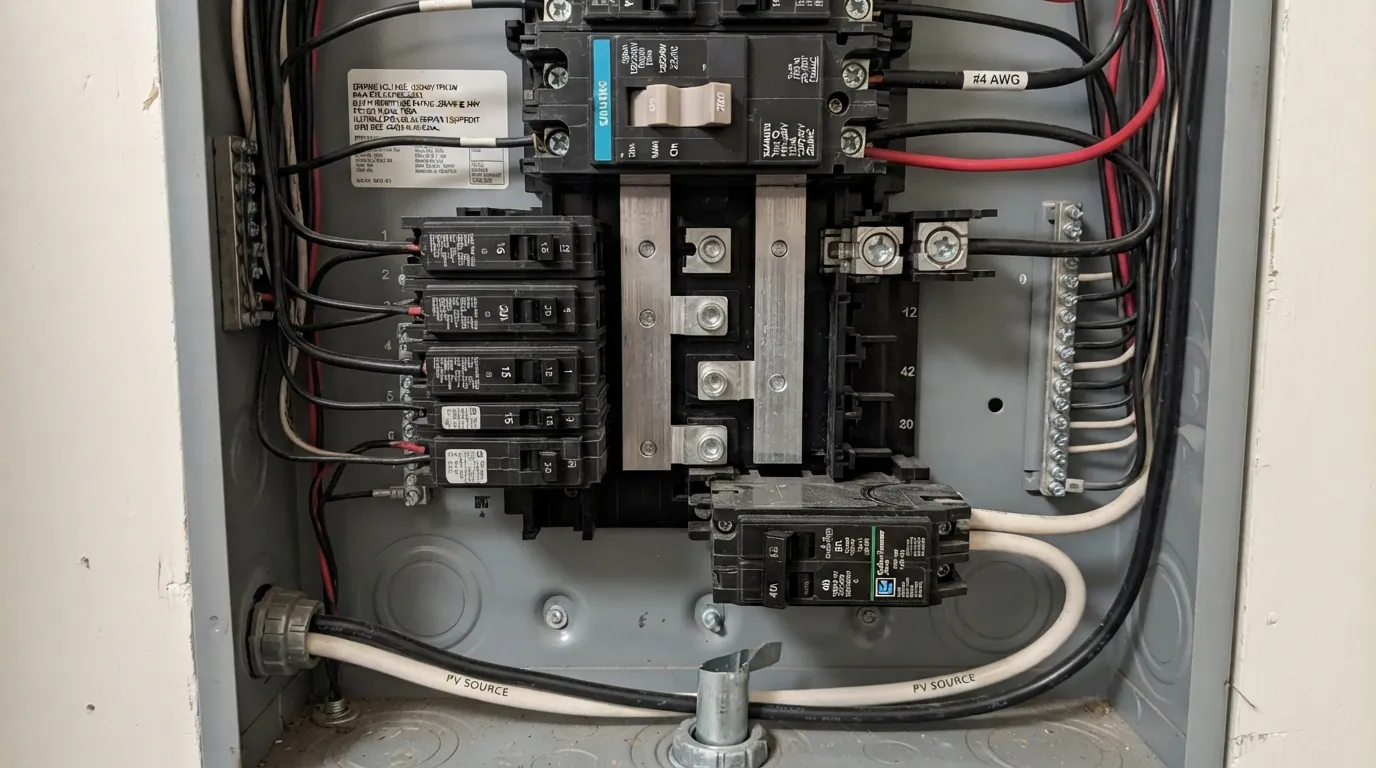
A panel can accept solar through a back-fed breaker only up to a limit set by its busbar rating and main breaker, commonly called the 120 percent rule. We check the panel's labels and ratings against the planned array. If it fits, the solar breaker lands at the opposite end of the busbar from the main. If it does not, the options are a supply-side connection ahead of the main, a smaller main breaker where the load allows it, or a new panel. Each option has its own cost, and the choice is made before any equipment is ordered.
Interconnection and Utility Meter Work
Before the system can run, the utility has to approve the interconnection and, in most cases, change or program the meter to measure exported power. The solar installer usually files the application; we provide the electrical details and complete the work the approval requires, such as a visible disconnect near the meter or a supply-side tap. The system stays off until the utility grants permission to operate, and we coordinate the timing so there is no gap between inspection and approval.
Rapid Shutdown and Monitoring Checks
Current code requires solar systems to de-energize the roof conductors quickly when shut down, so firefighters are not working around live panels. We confirm the rapid shutdown device is installed and labeled correctly, test it, and make sure the system's monitoring reports production. For existing systems that stopped producing, we check the disconnects, breakers and inverter power before assuming the panels themselves have failed, since a tripped breaker or an inverter fault is a far more common cause.
Solar economics in the city
New York City adds its own incentive: a solar property tax abatement worth 7.5 percent of the installed cost per year for four years, 30 percent in total, for systems placed in service through January 1, 2035, filed with the Department of Buildings by a registered architect or engineer. The federal homeowner credit ended after 2025, which makes the city abatement one of the biggest pieces of a New York City project.
What sets the solar timeline
The electrical work itself is short once equipment is on site. The calendar is set by the permits, the inspection and the utility's permission to operate, which comes after the system passes inspection. We schedule our work so it is inspected together with the installer's, and we keep the system off until the utility approval arrives.
How solar electrical work runs
Check the panel
Busbar, main breaker and space reviewed.
Choose the connection
Breaker, supply-side tap or upgrade.
Coordinate
Design details for the installer and the utility.
Install
Disconnects, rapid shutdown and interconnection wiring.
Inspect and energize
Inspection, then utility permission to operate.
Solar electrical questions
Sometimes; the busbar rule decides. Otherwise a supply-side tap or upgrade is needed.
The solar installer mounts the array; we handle the electrical connection.
A system that de-energizes roof conductors quickly for firefighter safety.
After inspection and the utility's permission to operate.
Yes, a four-year property tax abatement totaling 30 percent of cost.
Often a tripped breaker, disconnect or inverter issue; we check those first.
Yes, if space and the filing rules allow it.
Related work in the same system
Get the panel ready for solar
Call any hour with a photo of your panel label and the planned array size.