Correcting DOB Electrical Violations in New York
An open electrical violation follows the building into every sale, refinance and board meeting. We survey the cited work, correct what fails the code, and prepare the filing that shows the Department of Buildings it has been fixed.
- Calls answered 24/7
- Survey before any quote
- Correction filed properly
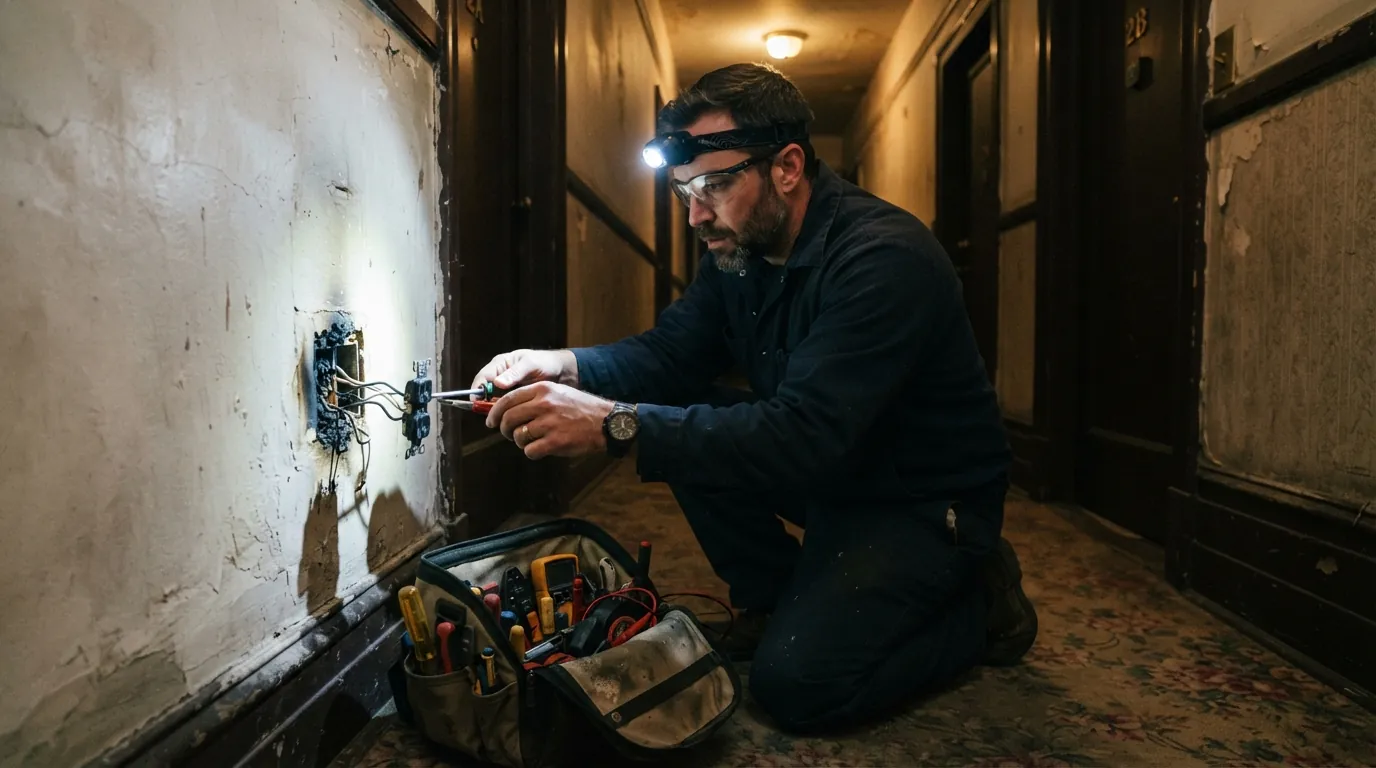
- Violation and cited work reviewed on site
- Corrections made to the current code
- Filing prepared to close it out
Correcting a New York City electrical violation means surveying the cited work, bringing it up to the current code, and filing proof of correction with the Department of Buildings, which may issue violations through OATH for electrical code breaches. Unpermitted work usually needs a new permit filing and inspection before the violation can be resolved.
Rather ask a person?(929) 755-0293What clearing a violation involves
A violation notice names a condition, not always a clear fix. The first step is reading the notice against what is actually on site: which panel, which wiring, which room, and whether the cited condition is still there or was already changed. Sometimes the fix is small; sometimes the cited work turns out to be only part of the problem.
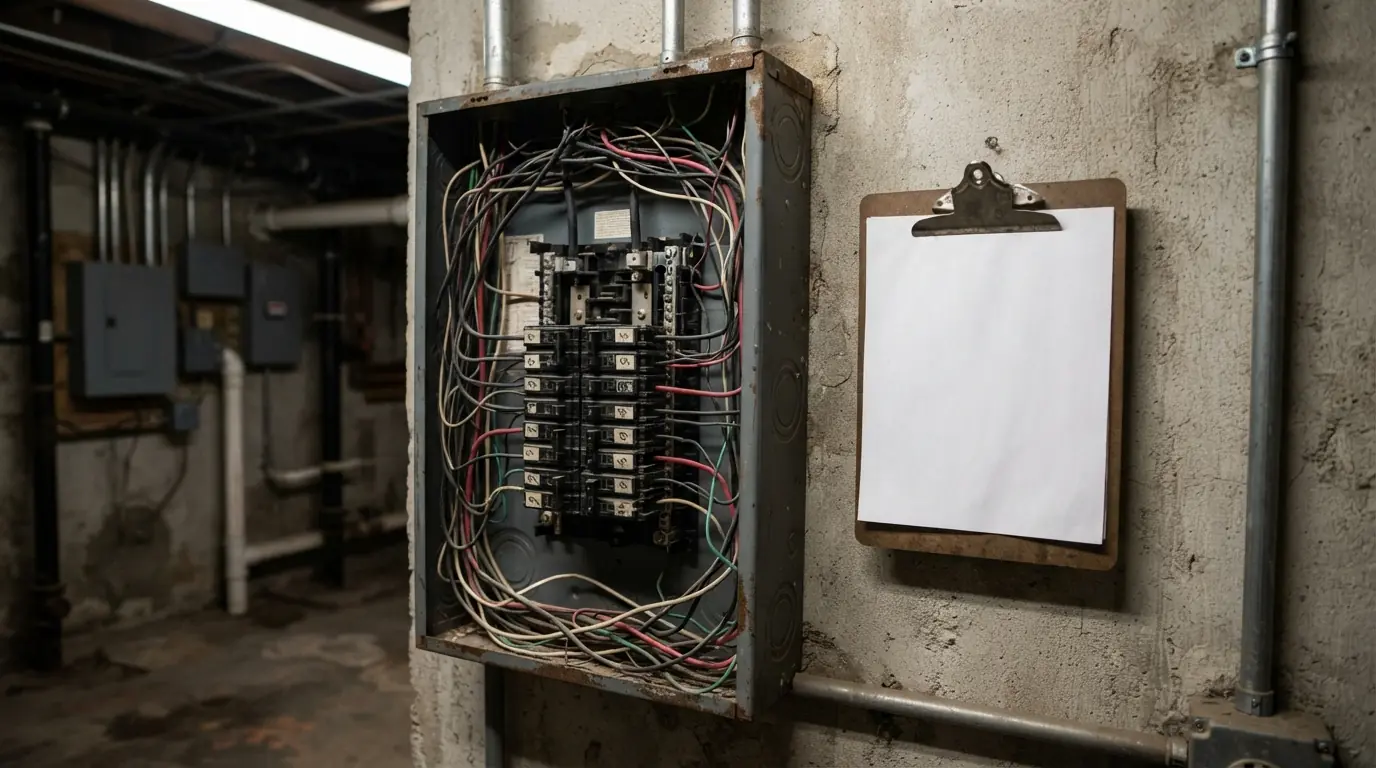
Then the correction is done to the current code, which in the city means the 2025 Electrical Code for new work. The paperwork matters as much as the wiring, since an open violation stays open until the filing shows it was corrected. If the panel itself is the issue, panel replacement is often part of the fix.
Updated September 2026
What drives the cost of a violation correction
The notice rarely tells you the size of the fix.
- What is citedA missing cover is small; an unpermitted renovation is not.
- Access to the workClosed walls may need opening for the inspector.
- Code changes since the workCorrection is judged against the current code.
- Filing typeLegalizing existing work is more involved than a simple correction.
- Hearing deadlinesA near hearing date compresses the schedule.
Three kinds of electrical violation
Work Without a Permit
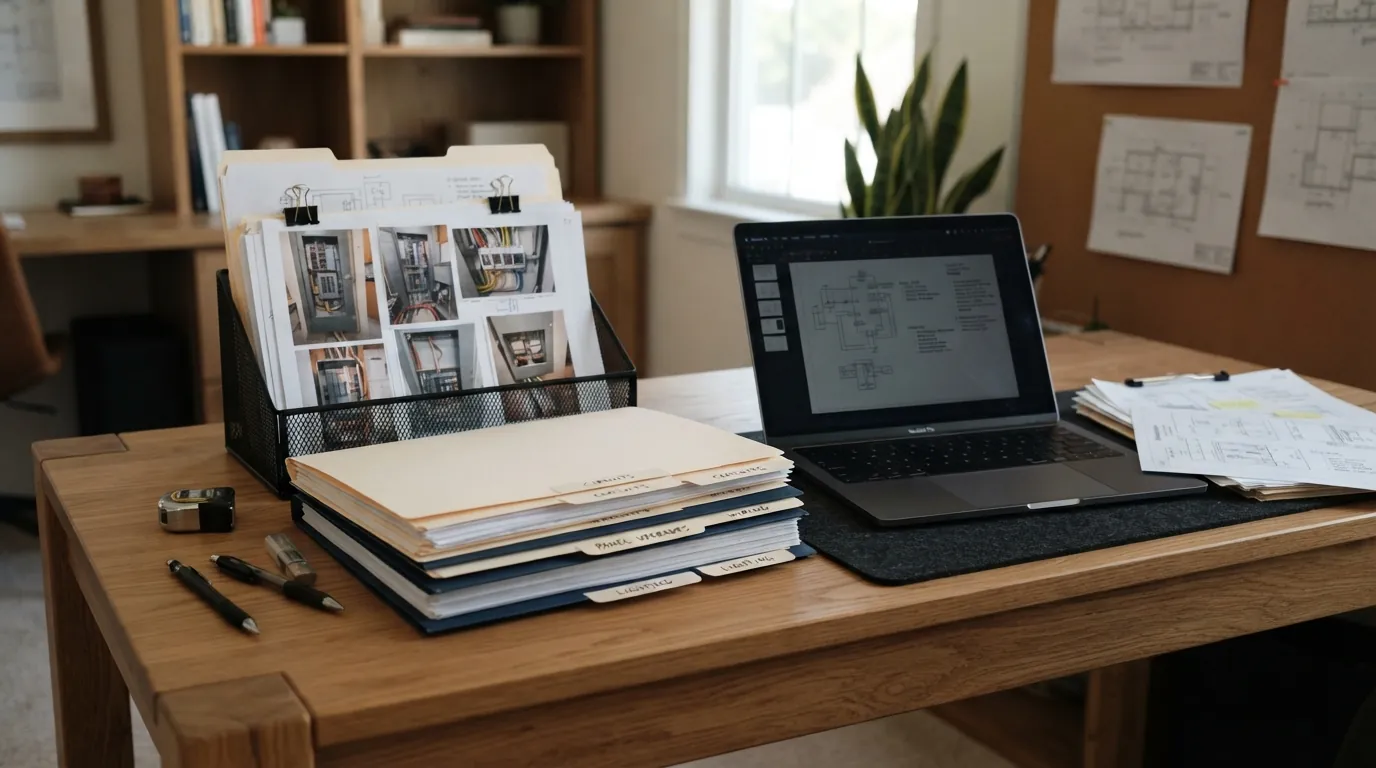
The most common electrical violation is work done without a permit: a renovation, a new circuit, a panel swap. Resolving it usually means filing a permit for the existing work, opening what the inspector needs to see, correcting anything that does not meet the code, and passing inspection. Where the work cannot be made compliant as built, we explain what has to change before anything is filed, so the owner decides with the full picture. Photos of every step go into the file for the building's records.
Illegal or Unfiled Wiring
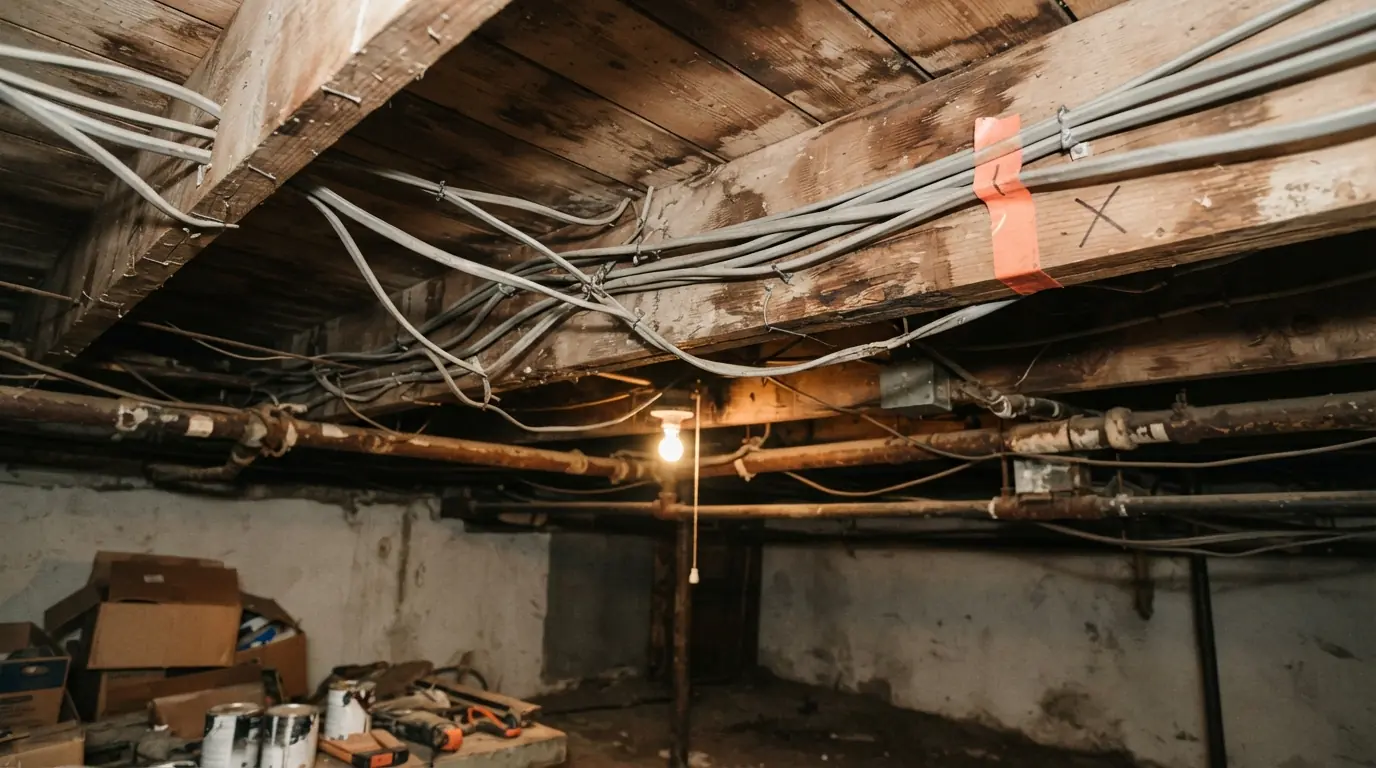
Some violations cite the wiring itself: extension cords used as permanent wiring, exposed cable where the code requires conduit or armored cable, overloaded or double-tapped panels, missing covers. These are corrected directly by replacing the wiring with an approved method, fixing the panel, and documenting the result with photos and the filing. Tenant-installed wiring in multi-family buildings is a frequent source of this kind of citation, and the fix often has to reach into several apartments on the same line.
ECB and OATH Electrical Violations
Violations heard at OATH, formerly the Environmental Control Board, come with a hearing date and possible penalties, so timing matters. We correct the condition, prepare the documentation of correction, and give the owner or their representative what they need for the hearing or for certifying the correction. We do not represent owners at hearings; we do the electrical work and the technical paperwork behind it, and we tell you plainly if the correction cannot be finished before the hearing date.
What our violation correction includes
- Review of the violation notice and history
- Site survey of the cited condition
- Written scope of corrections
- Permit filing where the work requires one
- Corrections made to the current code
- Photos and documentation of the corrected work
- Inspection and the paperwork to close the violation
How the city handles electrical violations now
The Department of Buildings can issue OATH violations for electrical code breaches, and electrical filings and inspection requests now run through DOB NOW as payments move off the older BIS system. Since December 21, 2025, correction work is judged against the 2025 Electrical Code, which replaced the 2011 edition. A violation written under the old code is therefore often corrected to the new one, which can change what the fix requires.
What sets the timeline
The correction itself is often faster than the paperwork around it. Filings, inspection scheduling and any hearing date set the calendar, and a building's access rules can add their own delays. When there is a hearing date, we work backward from it and tell the owner early if the correction cannot be completed in time, so they can plan for that at the hearing.
How a violation correction runs
Read the notice
Violation details and building history reviewed.
Survey the site
Cited condition found and assessed.
Scope and file
Corrections written up; permit filed if needed.
Correct the work
Wiring and equipment brought to code.
Inspect and close out
Inspection passed, correction documented.
Electrical violation questions
Yes, usually by filing for the existing work and correcting it.
No, the correction has to be documented and filed.
No, but we provide the technical documentation for them.
New work in the city follows the 2025 Electrical Code.
Often, which is why boards push to close them.
Sometimes, so the inspector can see concealed work.
Yes, the site survey comes first.
Related work in the same system
Infrared Electrical Scanning
DetailsOutlet & Switch Repair
DetailsCircuit Breaker Repair
DetailsElectrical Permits & Sign-Offs
DetailsGuides: NYC permits and the 2025 code
Close the open electrical violation
Call any hour with the violation number and we will set up the site survey.