Local Law 97 and your building's electrical capacity
Local Law 97 is an emissions law, but for many boards it turns into an electrical project. Replacing oil, gas or steam with heat pumps moves the load onto the building's service, risers and meter room, which older buildings were never sized to carry.
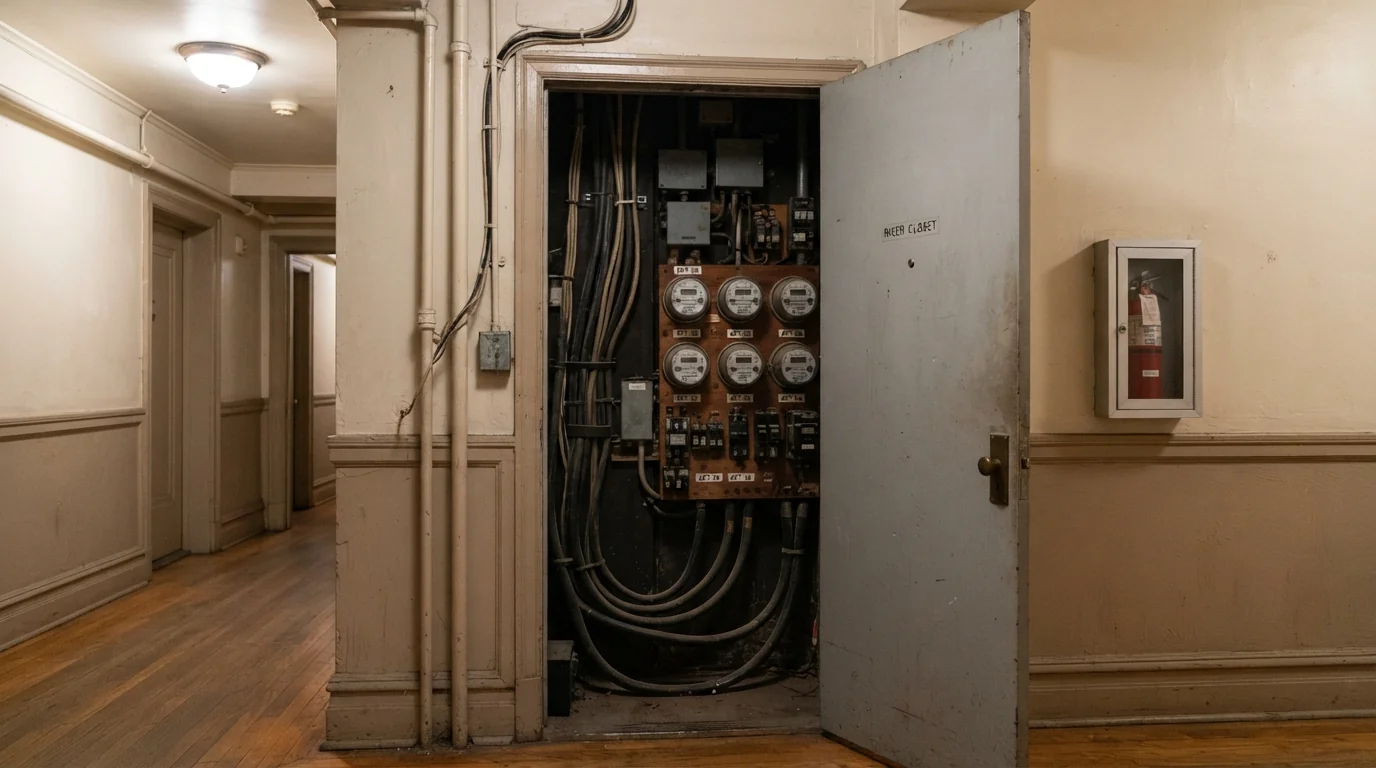
Local Law 97 caps carbon emissions for most New York City buildings over 25,000 square feet and fines buildings over their limit, so many boards are moving heating, cooling and hot water to electric heat pumps. That sharply raises electrical load, and many older buildings lack the service capacity. A load study, then a service request to Con Edison where needed, comes before choosing equipment.
Rather ask a person?(929) 755-0293Why emissions rules become electrical work
Local Law 97 covers most buildings over 25,000 square feet and assesses penalties of $268 per metric ton of carbon dioxide above a building's cap. The most direct way to cut emissions is to stop burning fuel on site, which means heat pumps for heating and cooling and heat pump or electric systems for hot water. Every one of those moves load from the boiler room to the electrical system.
Older buildings were wired for lights, appliances and window air conditioners. Their services, risers and meter rooms may have room for a few new chargers or a laundry upgrade, but not for heating a whole building electrically. Industry coverage of New York co-ops has been blunt about it: many older buildings simply lack the service capacity, and upgrading the service depends on transformer capacity outside the building that can take years to schedule.
What a load study tells the board
A load study measures what the building's service and each riser carry today, ideally from metered data rather than guesses, then adds the proposed equipment. The result is a clear answer to three questions: does the existing service have room, which risers or meter equipment are at their limit, and how much new capacity a full or partial electrification plan would need.
Boards that start with the load study usually make better equipment decisions. A hybrid system that keeps a boiler for the coldest days, smaller heat pumps phased in over several years, or window heat pumps on existing circuits can all fit inside capacity that a full conversion would exceed.
- Metered demand on the service today
- Load carried by each riser and the meter bank
- Space and clearances in the meter room
- Planned heat pump, hot water and charger loads
- Whether the service from the street must grow
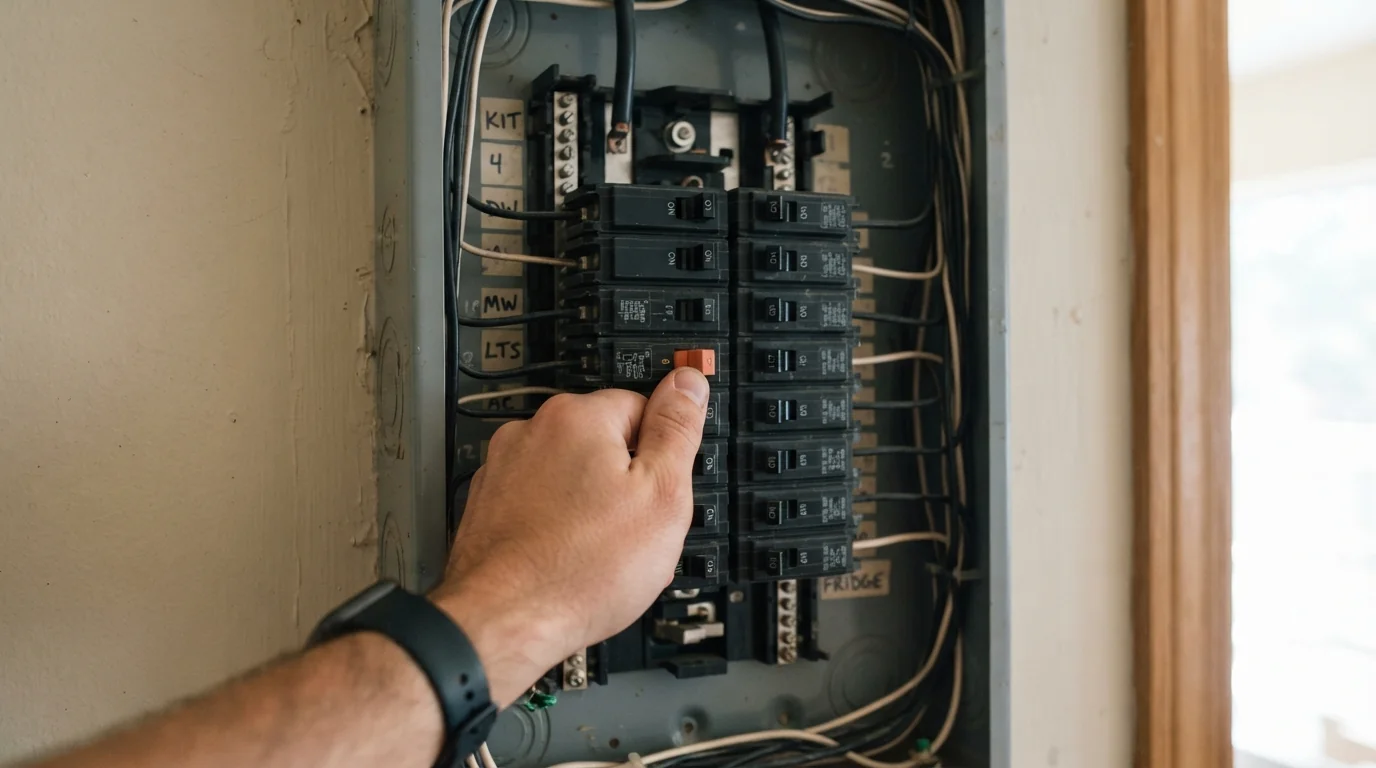
When the service from the street has to grow
If the study shows the building needs more power than its service provides, the next step is a service request to Con Edison. The utility decides what the street and the local transformer can deliver and when, and that timeline is often the longest part of the whole project. Inside the building, the work then includes a larger service, new or upgraded risers and meter equipment, and new feeders to rooftop or basement equipment.
Because the utility side can take years, boards facing later Local Law 97 compliance periods benefit from filing early, even before the final equipment is chosen.

Is your building's capacity ready for electrification?
Start with a riser and service survey. Call any hour to set one up.
A practical order of work
First the load study, then a conversation with the engineer about equipment that fits the capacity you have or can get, then the utility request if needed, and only then the riser and service work. Doing it in that order avoids buying rooftop equipment the building cannot power, and it gives the board numbers it can show shareholders when the assessment comes up.
Sources
- Propmodo: co-ops, condos and the electrification math
- Habitat: how boards can clear the hurdles of electrification, 2026
- Habitat: co-op heat pumps and the Con Edison service request
Figures are planning ranges from published sources, not quotes. Every job is priced after we see it.
Local Law 97 capacity questions
Most New York City buildings over 25,000 square feet, with some groups of buildings counted together.
Its service and risers may not carry the added load; a load study shows the limits.
It varies with local transformer capacity and can stretch to years, so file early.
Yes, hybrid and phased plans often fit inside existing capacity.
An electrician for the load study and an engineer for the equipment plan, working together.
Where this guide leads
Riser and meter bank upgrades
See the serviceService upgrades
See the serviceHeat pump circuits
See the serviceProperty management electrical
See the serviceMore guides: Getting an EV Charger in a New York Apartment Building and EV Charger Installation Cost in New York, NY (2026)
Know your building's capacity before you choose equipment
Call any hour to schedule a survey.