Preparing a New York home for winter storm outages
A winter outage is a heat problem as much as a power problem. A few electrical decisions made in the fall decide whether the house stays warm, dry and safe when the lines come down.
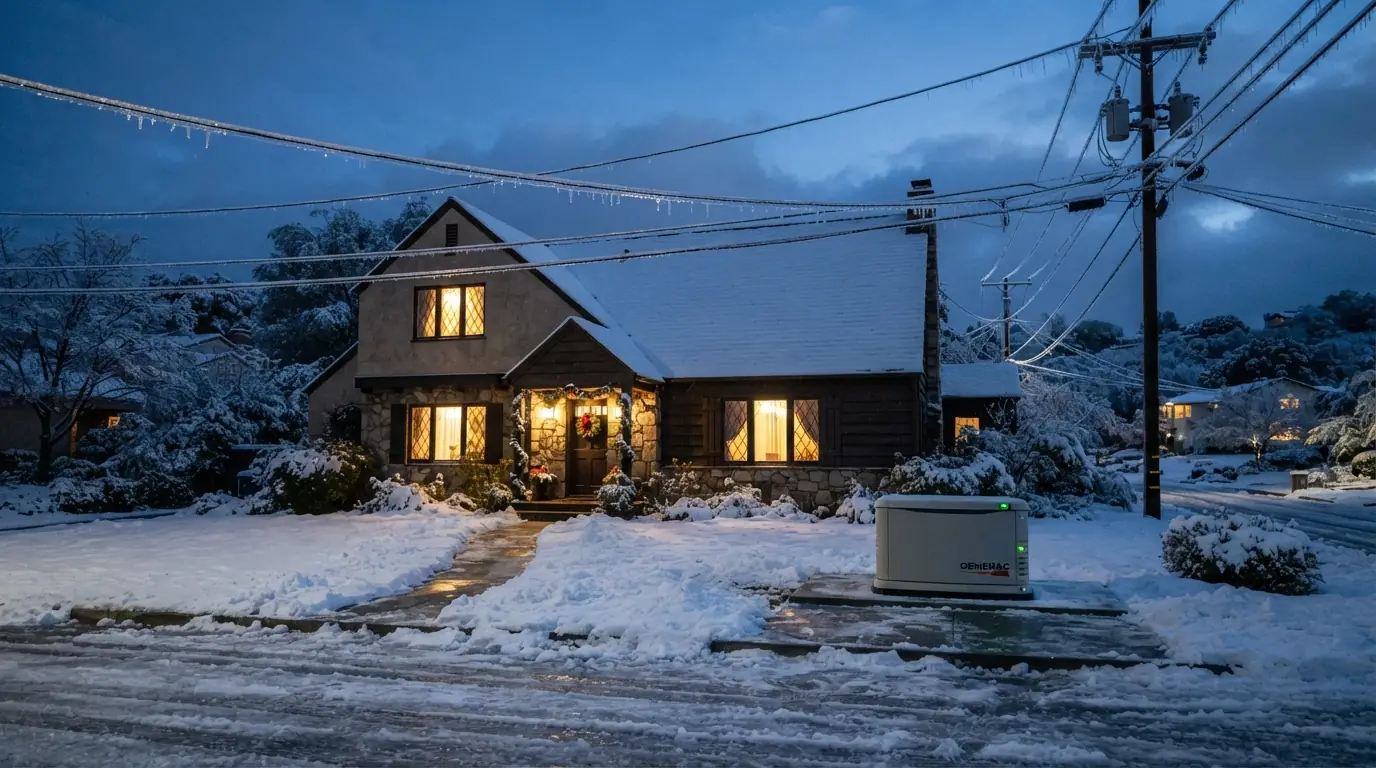
To prepare a New York home for winter storm outages, arrange a safe generator connection, confirm smoke and carbon monoxide alarms work, protect sump pumps and heating controls, add surge protection, and plan what to switch off before power returns. Never run a generator indoors or plug it into a wall outlet.
Rather ask a person?(929) 755-0293Why winter outages are different
Superstorm Sandy left more than 780,000 New York City residents without electricity and heat, a reminder that losing power in cold weather also means losing the boiler controls, the furnace blower and often the water pump. Upstate, ice-laden trees and lines cause most outages, and a house on a well or with a sump pump is exposed on several fronts at once. Planning in the fall turns a crisis into an inconvenience.
Decide how you will run heat
Most boilers and furnaces, even gas ones, need electricity for their controls, igniters and circulator pumps, so a gas bill that is paid does not mean heat during an outage. A generator connected through an interlock or transfer switch can run them. Space heaters on a generator should be used with care and never left unattended, and electric baseboard heat draws heavily, so it usually needs a standby unit or a large portable with careful load choices.
Set up the generator connection now
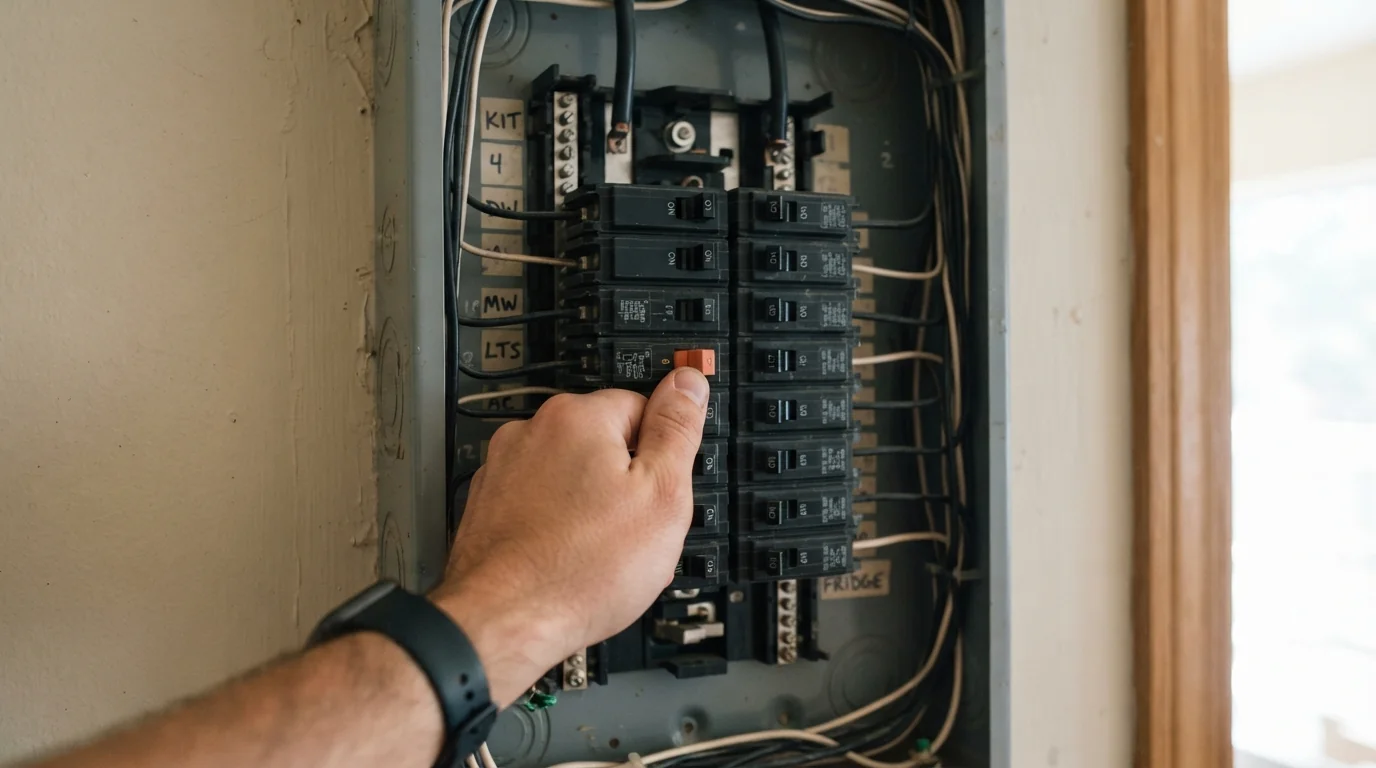
A generator bought on the morning of a storm usually ends up on extension cords or, worse, plugged into a wall outlet, which can send power back into the utility lines and injure line workers. Installing a listed interlock kit or a transfer switch with an outdoor inlet in the fall means the generator connects to the panel safely when it is needed. Test-run it before the first storm, with the circuits you plan to use labeled on the panel.
Get the generator hookup in before the first storm
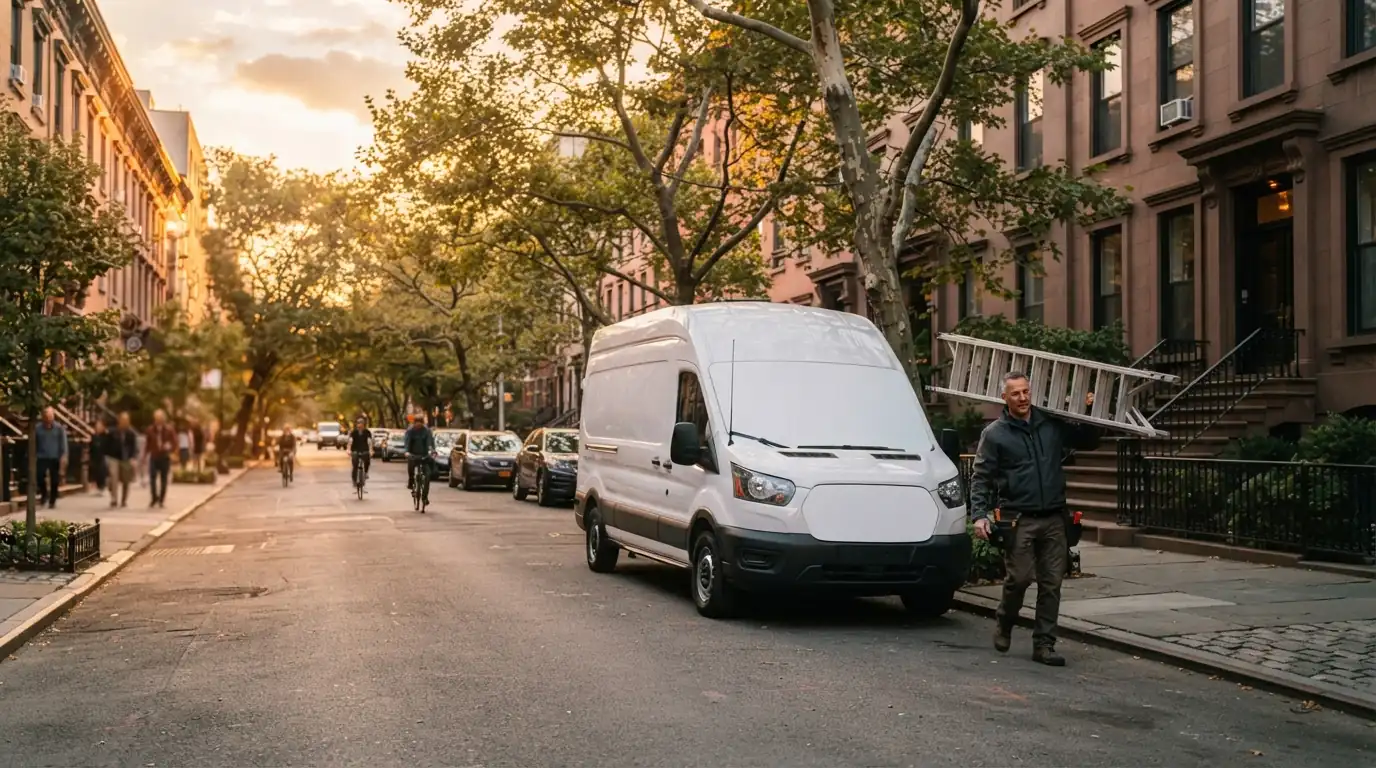
Call any hour. Interlocks and transfer switches take planning, not panic.
A pre-storm checklist
These are worth doing each fall, and most take minutes.
- Test every smoke and carbon monoxide alarm
- Confirm the sump pump runs and consider a battery backup
- Label the circuits you will use on generator power
- Check that outdoor outlets have covers that close and GFCI protection
- Add or check whole-house surge protection
- Keep flashlights and batteries where you can find them in the dark
- Know how to report an outage to your utility
Carbon monoxide is the biggest storm risk
Generators, gas ranges used for heat and blocked vents all produce carbon monoxide. Generators belong outdoors at the manufacturer's clearance from windows, doors and vents, never in a garage or basement even with the door open. In New York City, carbon monoxide alarms installed after April 25, 2012 must sound an end-of-life warning, and owners must provide at least one smoke and CO alarm in each apartment. Every home using a generator should have working CO alarms near the bedrooms.
When power comes back
Restoration brings its own problems. Before power returns, switch off sensitive electronics and large appliances so they do not all start at once, and if you are on generator power, switch back through the interlock or transfer switch in the order the manufacturer describes. Afterward, check for flickering lights, dead circuits or a burning smell, which can mean equipment was damaged by the outage or a surge. Anything that got wet should stay off until it has been inspected.
City apartments versus houses upstate
In an apartment building, most of the storm plan belongs to the building: emergency lighting, elevator recall, boiler and pumps. What you control is inside the unit: working alarms, surge protection for your electronics, and knowing where your panel is. In a house, the plan is yours, which is why generators, sump pumps and heating controls matter far more around Warwick than in Chelsea.
Heat tape and frozen pipes
Houses with pipes in unheated crawl spaces or exterior walls often rely on heat tape, which only works with power. Heat tape should plug into a GFCI-protected outlet, be a listed product rated for the pipe it is on, and be inspected each fall for cracked insulation or scorch marks, since damaged heat tape is a known fire cause. If it is on a circuit you plan to run from a generator, include it in your load list.
Sump pumps and basements
A sump pump that stops during a winter thaw or rain-on-snow event can flood a basement within hours, and flooded basements are where electrical panels and water heaters often sit. Put the sump pump on the generator plan, consider a battery backup pump, and make sure its outlet is GFCI protected and not shared with a heavy load. If water ever reaches the panel or outlets, keep power off to them until they have been inspected.
Sources
- FirstService Residential: superstorms and NYC building codes
- Orange and Rockland: storm restoration and generator safety
- UpCodes: NYC carbon monoxide and smoke alarm requirements
Figures are planning ranges from published sources, not quotes. Every job is priced after we see it.
Winter outage questions
Usually not; most need electricity for controls and pumps. A properly connected generator can run them.
No. Carbon monoxide builds up quickly. Run it outdoors at the manufacturer's clearance from openings.
The surge when power returns can damage electronics, chargers and appliance control boards; a panel-mounted protector plus strips at sensitive devices covers most of it.
Sensitive electronics and large appliances, so they do not all restart at once on a supply that may still be unstable for a few minutes.
Keep it off until it has been inspected. Water-damaged electrical equipment is often replaced rather than dried.
Where this guide leads
Generator interlocks
See the serviceStandby generators
See the serviceSmoke and CO alarms
See the serviceStorm and flood repair
See the serviceMore guides: What an Electrical Panel Upgrade Costs in New York, NY and EV Charger Installation Cost in New York, NY (2026)
Get ready before the lines come down
Call any hour. We can set up the generator connection, surge protection and alarms in one visit.